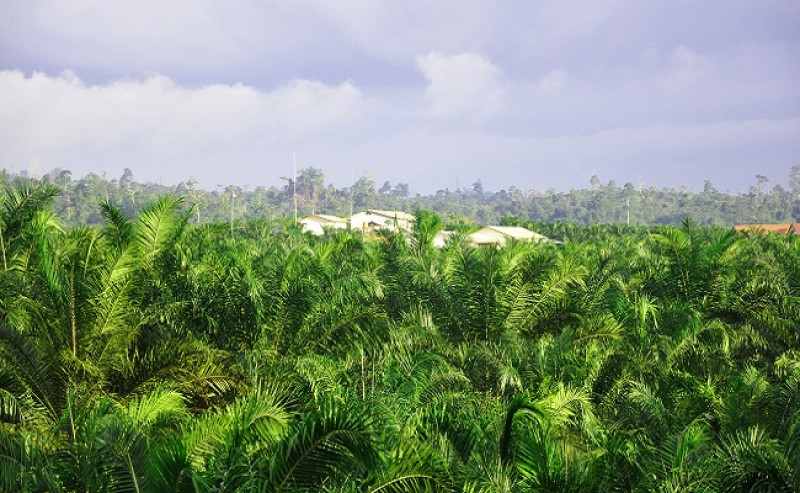
InfoSAWIT, JAKARTA – Behind growth figures that still appear encouraging, Indonesia’s palm oil industry is entering a decisive phase. Plantation expansion is slowing, while productivity—particularly among Smallholders—has yet to rise at the pace many had anticipated. At this stage, the future of the industry will no longer be determined by how widely plantations spread, but by how efficiently every hectare can produce.
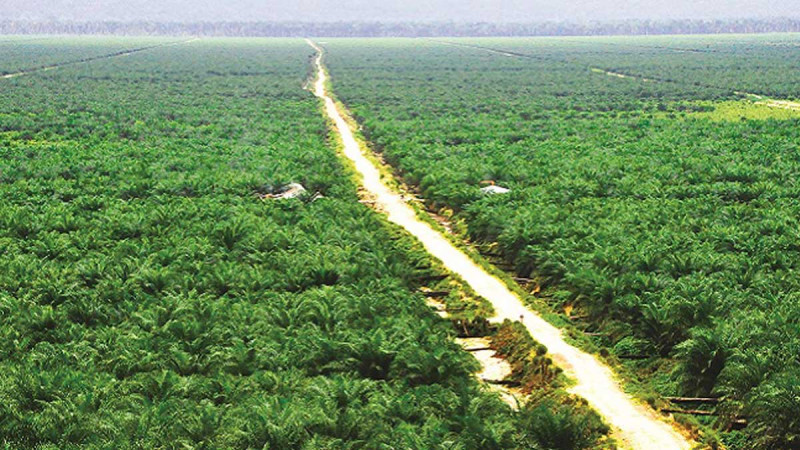
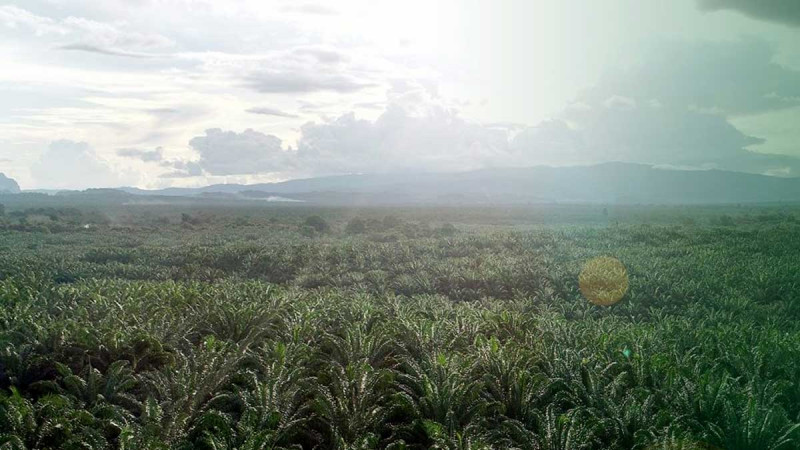
Across Indonesia, oil palm plantations have evolved beyond agricultural landscapes into engines of economic activity. Their impact stretches from rural communities to urban trade centres, creating roads, markets, and employment opportunities wherever plantations develop.
In this sense, palm oil is more than a commodity; it is a major economic driver.
Data from the Ministry of Agriculture illustrates the sector’s significant contribution. In 2021, the plantation subsector generated added value exceeding Rp425 billion for Indonesia’s Gross Domestic Product (GDP). By 2023, that figure had risen to more than Rp439 billion, with palm oil remaining the dominant contributor to the sector’s economic performance.
Yet a longer historical perspective reveals that growth has not moved in a constant rhythm.
Between 1980 and 1998, Indonesia witnessed remarkable plantation expansion, with planted area growing at an annual rate of 15.07 percent. During that period, private estates expanded by 20.51 percent annually, while Smallholder plantations recorded even faster growth at 44.78 percent.
Palm oil expanded like an unstoppable wave.
That wave has since moderated. From 1998 to 2017, plantation area growth slowed to around 6.34 percent annually. Over the past decade, between 2015 and 2024, the pace declined further to 4.90 percent.
Thematic mapping data recorded a Land Area to be Confirmed (LAD) of 2.21 million hectares in 2021, shrinking to approximately 1.07 million hectares by 2024.
These figures suggest a clear shift: land expansion is no longer the industry’s main story.
Another transformation, quieter yet equally significant, has also taken place—the changing ownership structure of Indonesia’s plantations. Smallholder and private estates are increasingly dominating the landscape, highlighting the growing importance of productivity, farm management, and sustainability in shaping the sector’s next chapter.
The challenge ahead, therefore, is not simply expanding plantations but ensuring that existing land performs more efficiently and competitively. Improving yields, accelerating replanting programmes, strengthening farmer capacity, and integrating technology into plantation management may ultimately prove more decisive than opening new land.
For Indonesia’s palm oil industry, the next era of growth may depend less on expansion and more on optimisation. (*)
This article is adapted from the editorial of InfoSAWIT Magazine, April 2026 edition.