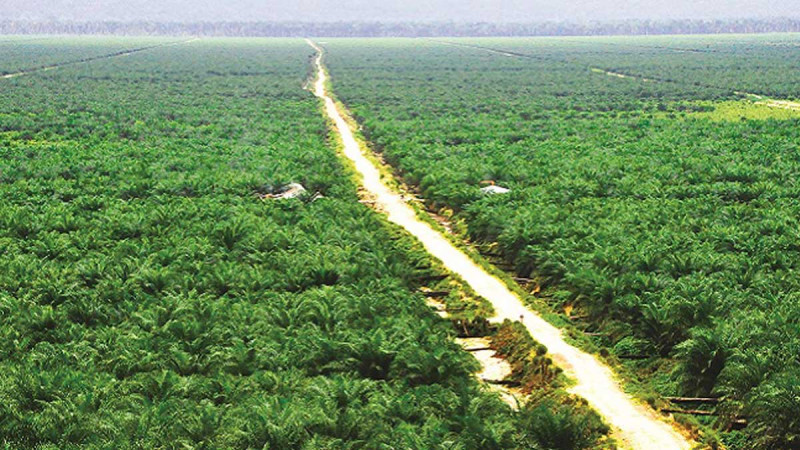
InfoSAWIT, JAKARTA — When global crude palm oil (CPO) prices soar, farmers should ideally enjoy rising incomes. But today, that optimism feels distant. In the same rural landscapes once rejuvenated by palm oil, a new irony emerges: farmers are increasingly squeezed by a “double taxation” regime that erodes the rewards of their hard labor.
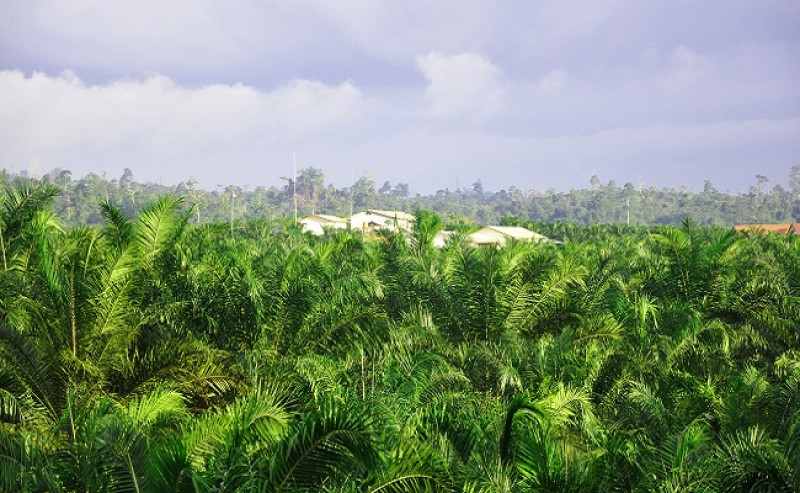
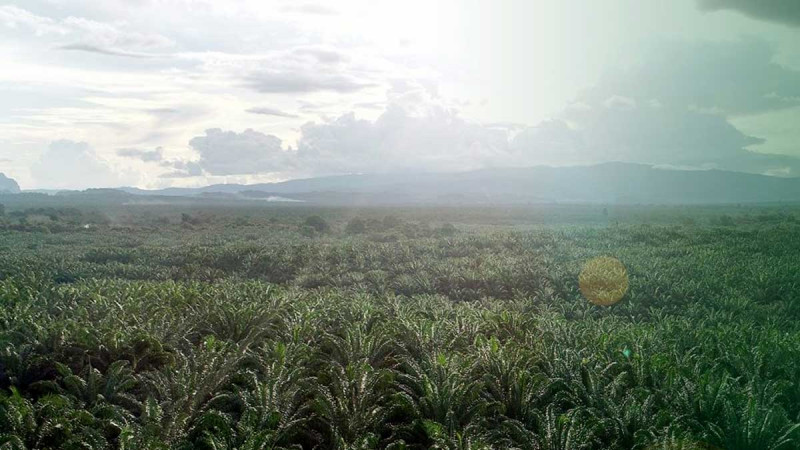
The development of palm-oil-based rural economies has long been a pillar of Indonesia’s growth story. In many regions, palm oil is not just an export commodity—it is a lifeline that has transformed rural livelihoods. Many communities developed independent smallholder plantations, while others partnered with large companies through plasma schemes.
These partnerships formed the backbone of rural economic expansion. Successful plasma farmers, in turn, inspired others to build their own plantations. This wave of farmer independence fueled the rapid expansion of smallholder palm oil plantations nationwide, creating new rural economic hubs.
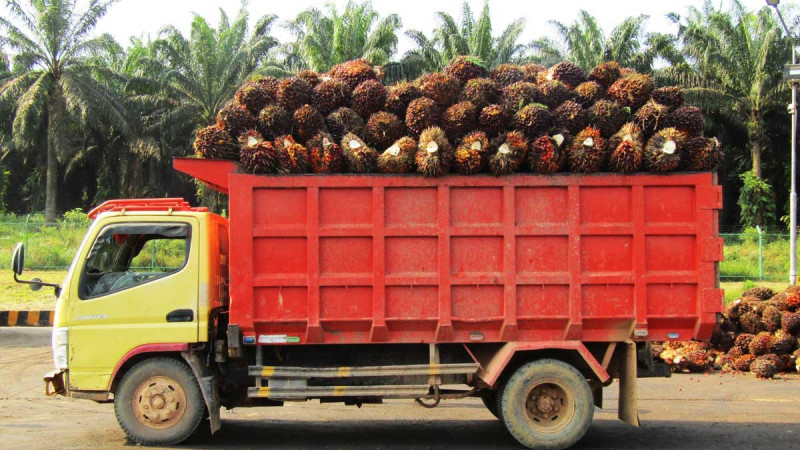
According to InfoSAWIT’s review, this trend gained momentum in the early 2000s with the rise of independent smallholders. The main driver was the global surge in CPO prices. When CPO prices climbed, smallholders’ fresh fruit bunch (FFB) prices followed suit, bringing widespread prosperity.
The success stories are numerous. During the 1998 economic crisis, for example, palm oil farmers enjoyed windfall profits due to high CPO prices and a strong dollar. Similar booms returned in 2003, 2008, and 2013—periods when FFB prices skyrocketed and farmer incomes surged. Regional economies expanded rapidly, household consumption rose, and multiplier effects spilled into urban centers.
But that golden chapter is beginning to fade. The very price rallies that once brought fortune are now overshadowed by government policies enforcing “double taxation.” Since 2015, CPO and its derivatives have been subject to Export Duty (Bea Keluar/BK) and the Export Levy under the CPO Supporting Fund (CSF), administered by the Palm Oil Fund Management Agency—formerly BPDPKS, now known as BPDP.
Before this policy was introduced, the palm oil industry faced only 3–5% export taxes. Today, the combined burden of BK and CSF can reach up to 25%, a stark contrast. High global CPO prices no longer translate into strong FFB prices at the farm level, leaving farmers at a disadvantage.
The CSF was originally established to strengthen the competitiveness of the national palm oil industry and support smallholders. However, in practice, the largest share—around 80–90% of the fund’s roughly Rp 90 trillion annual collection—goes toward subsidizing the biodiesel program. In other words, Rp 60–80 trillion flows primarily to a handful of major biodiesel producers. (*)
Full story available in the October 2025 issue of InfoSAWIT Magazine.