InfoSAWIT, JAKARTA – Indonesia’s Ministry of Agriculture (MoA) has warned palm oil mills (PKS) to immediately adjust their Fresh Fruit Bunch (FFB) purchasing prices in line with regional benchmark regulations, signaling potential administrative sanctions and even permit revocation for companies that continue buying below official reference prices.
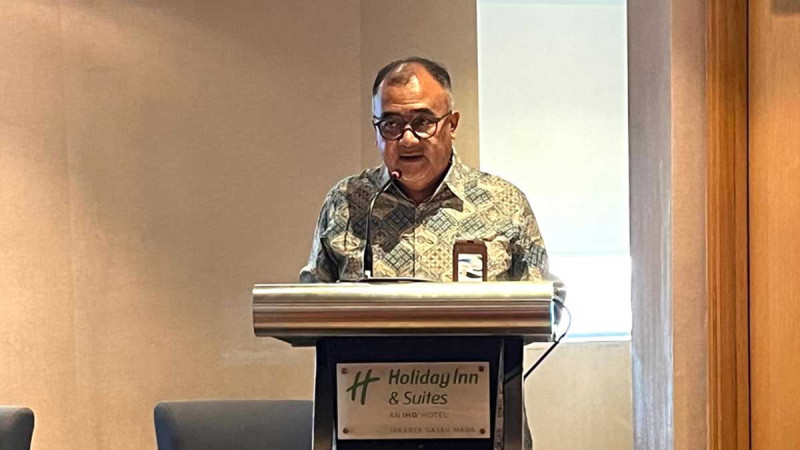
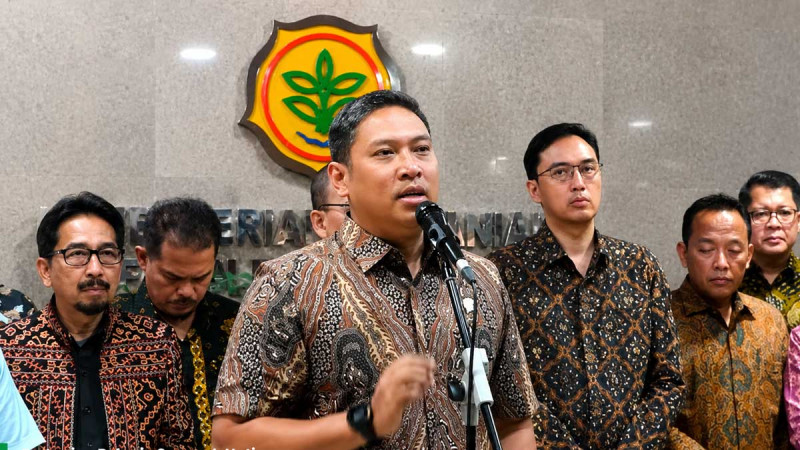
The warning was delivered by Deputy Minister of Agriculture Sudaryono following ministry findings that many palm oil mills had yet to align their FFB purchase prices with government-established benchmarks.
According to Sudaryono, the ministry identified 139 palm oil mills purchasing FFB below provincial reference prices. However, only 16 mills had begun adjusting prices after an initial coordination meeting held two days earlier.
“If there are violations against activities regulated under the Agriculture Minister Regulation, there will certainly be administrative sanctions and possibly permit revocation. If legal violations are involved, the Ministry of Agriculture will coordinate with the Food Task Force,” Sudaryono said during a press conference at the ministry headquarters in Jakarta on Friday (29/5/2026).
The deputy minister explained that the government had moved swiftly by organizing a follow-up meeting involving broader stakeholders from the palm oil industry, including the National Food Agency, PTPN, Agrinas Palma, the Indonesian Palm Oil Association (GAPKI), smallholder organizations, exporters, and refinery operators.
Sudaryono argued that prolonged declines in FFB prices at the farmer level should not occur given current market conditions, noting that global palm oil prices and international demand remain relatively strong.
“Global prices are improving and purchasing conditions are favorable, so why are prices at the farmer level still weak? That is the issue we must resolve,” said Sudaryono, widely known as Mas Dar.
The ministry also urged regional governments to strengthen implementation of Agriculture Minister Regulation (Permentan) No. 13/2024 governing FFB price-setting mechanisms for both plasma and independent smallholders.
Sudaryono noted that only a limited number of regions consistently conduct official FFB price-setting involving local governments, mills, and industry associations. Governors, regents, and mayors were therefore encouraged to actively monitor FFB transactions and identify mills purchasing below regulated prices.
“If FFB price declines continue in the future, local governments should issue warnings and conduct direct monitoring, while the ministry can also coordinate with corporate affiliates,” he explained.
Beyond upstream supervision, the government is also encouraging downstream players, including refineries and exporters, to continue normal trading activities based on KPBN auction prices.
The ministry warned companies against “withdraw price” practices that could suppress crude palm oil (CPO) purchases and directly weaken FFB prices at the farmer level.
During the same briefing, Sudaryono reiterated that the government’s single-gate export policy through PT Danantara Sumberdaya Indonesia (DSI) was not intended to burden businesses.
The policy will undergo a transition phase from June 1 to August 31, 2026, before full implementation scheduled for January 1, 2027.
According to Sudaryono, DSI was established not to generate export profits but to improve governance and close loopholes associated with under-invoicing, under-pricing, and transfer pricing practices.
“The objective is not to make profits through DSI. The objective is to create order. Those already compliant can continue operating, while those not yet compliant will be brought into order,” he said.
The ministry hopes the agreement and regulatory adjustments will eliminate unfair pricing practices and encourage healthier, more transparent trade throughout Indonesia’s palm oil supply chain. (T2)