InfoSAWIT, YOGYAKARTA – Indonesian Palm Oil Association (GAPKI) Chairman Eddy Martono said the palm oil industry remains a key pillar of the national economy, especially through job creation and foreign exchange earnings.
He delivered the remarks in a keynote speech at the National Palm Oil Seminar hosted by UPN Veteran Yogyakarta, attended by InfoSAWIT online on Thursday (Jan 22, 2026).
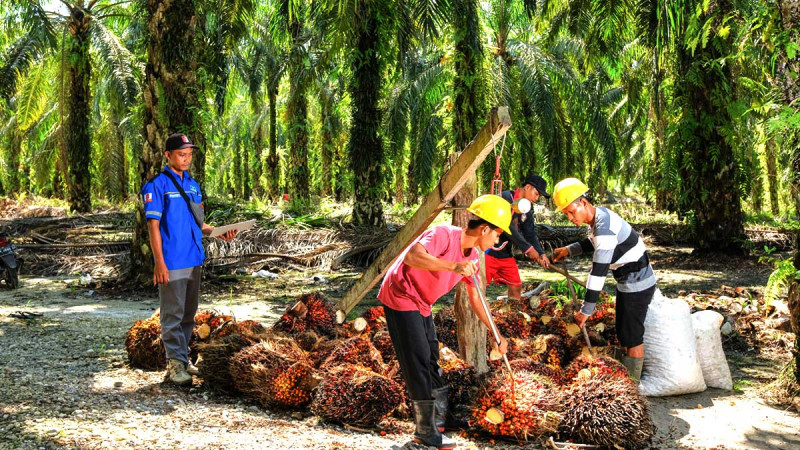
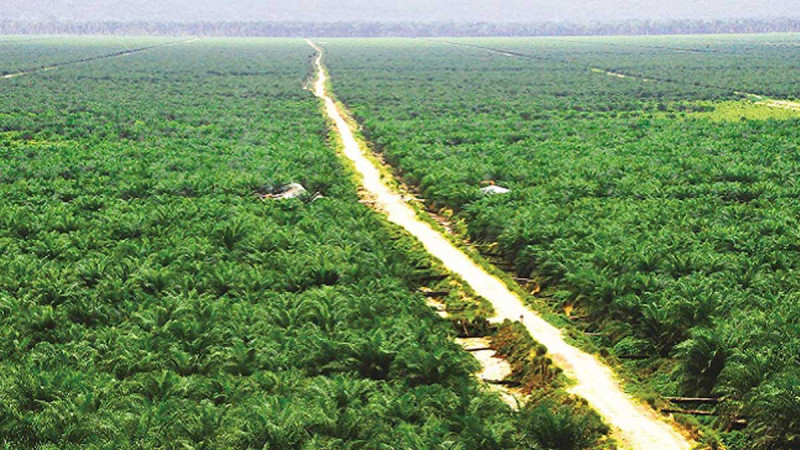
Eddy noted that the palm oil industry supports around 5 million direct jobs across the value chain, from upstream plantations to downstream processing. He said the figure highlights how critical palm oil is to regional economies and social stability.
“Palm oil is extraordinary. It provides massive employment,” Eddy said.
He also warned against allowing negative campaigns targeting the palm oil sector to shape public perception unchecked.
“If palm oil keeps being attacked, and negative campaigns keep going, eventually people will believe it. This is what we must counter with facts,” he said.
Eddy also underlined palm oil’s significant contribution to Indonesia’s foreign exchange revenues. During the pandemic, he said, the sector remained resilient and generated export earnings of around US$39 billion, while avoiding widespread layoffs.
He added that in 2024, palm oil export earnings declined not because the industry weakened, but due to price dynamics in the global vegetable oil market.
“Foreign exchange earnings fell because palm oil prices were higher compared with other vegetable oils. But as an industry, we remain strong,” he said.
Biodiesel Mandate Helps Support FFB Prices
Eddy said Indonesia’s biodiesel blending mandate, implemented since 2008, has played a critical role in supporting palm oil demand and stabilizing Fresh Fruit Bunch (FFB) prices at plantation level.
He recalled that before the biodiesel mandate was introduced, FFB prices fell to extremely low levels. The policy has since helped secure domestic demand and provide stronger market certainty.
However, Eddy also highlighted a serious supply-side challenge. Indonesia’s palm oil production has shown signs of stagnation over the past five years. If biodiesel mandates continue to increase without productivity gains, supply could become insufficient.
“If the biodiesel mandate keeps rising but production is stagnant, eventually supply won’t be enough,” he said.
Driving Productivity with Stronger Pollination
To address productivity stagnation, Eddy said the industry is pursuing various innovations, including the introduction of new, more aggressive pollinating insects to improve palm oil yields.
He expressed hope that stronger pollination technology can boost plantation productivity and keep the industry competitive in meeting both domestic and global demand.
“Our hope is that productivity can increase. Hopefully we can maintain productivity,” Eddy concluded. (T2)