InfoSAWIT, KUALA LUMPUR – The Malaysian Palm Oil Council (MPOC) expects crude palm oil (CPO) prices to remain range-bound in February 2026, hovering between RM4,000 and RM4,300 per tonne, supported by seasonal declines in output and inventory levels.
In its official statement on Tuesday, MPOC said sustained upside momentum would require fresh catalysts, such as Indonesia moving forward with a progressive B45 biodiesel mandate, a recovery in global crude oil prices, or clearer U.S. biofuel policy that could boost demand for soybean oil.
“CPO prices have remained above RM4,000 per tonne throughout January despite facing several fundamental pressures. This suggests the level is forming a short-term structural floor, with limited downside risk,” MPOC said, as cited by InfoSAWIT from Bernama on Thursday (Jan 22, 2026).
B50 Delayed, Market Focus Returns to Fundamentals
MPOC noted that uncertainty over Indonesia’s biodiesel policy has eased after the government confirmed its B50 program has been postponed, as the price spread between CPO and gasoil was deemed not supportive.
With the B50 narrative temporarily sidelined, market attention is shifting back to key fundamentals—namely production levels, export performance, and stock movement.
Against this backdrop, MPOC projected that global import demand for palm oil in the first quarter of 2026 could strengthen and may even outpace soybean oil demand.
Price-wise, MPOC said palm oil remains more competitive than rival vegetable oils. However, it noted that demand recovery from India has not fully materialized, partly due to the weakening of the Indian rupee against the Malaysian ringgit.
Still, MPOC believes the situation may only be temporary.
“India will ultimately need to import palm oil regardless of currency movements, as structurally palm oil remains the most cost-competitive option,” MPOC said.
Indonesia’s Export Levy Plan May Open Market Share Opportunities for Malaysia
MPOC also highlighted Indonesia’s plan to raise the export levy on CPO to 12.5% starting March 1, 2026, which it said could offer Malaysia a chance to strengthen its market share—particularly in India—while contributing to lower domestic palm oil stocks.
“The increase in Indonesia’s export levy is expected to improve Malaysia’s market share in India and contribute to a decline in domestic palm oil inventories,” MPOC added.
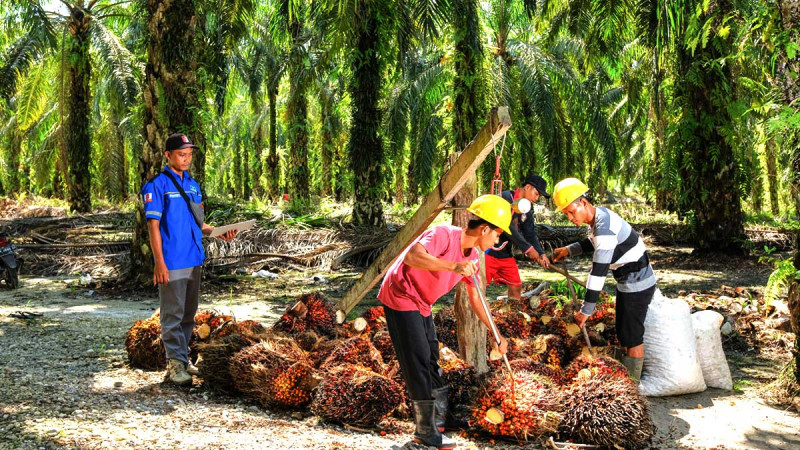
From the supply side, MPOC said seasonal factors are also expected to lend support to prices. February is typically a shorter trading month, and multiple holidays such as Thaipusam, Lunar New Year, and the start of Ramadan could reduce harvesting productivity and tighten supply in the near term.
These conditions are expected to help cushion price pressure and keep CPO prices firm amid global market dynamics. (T2)