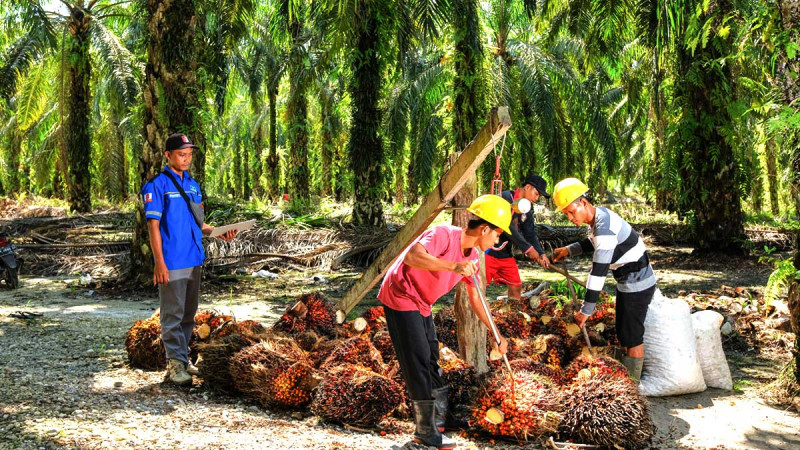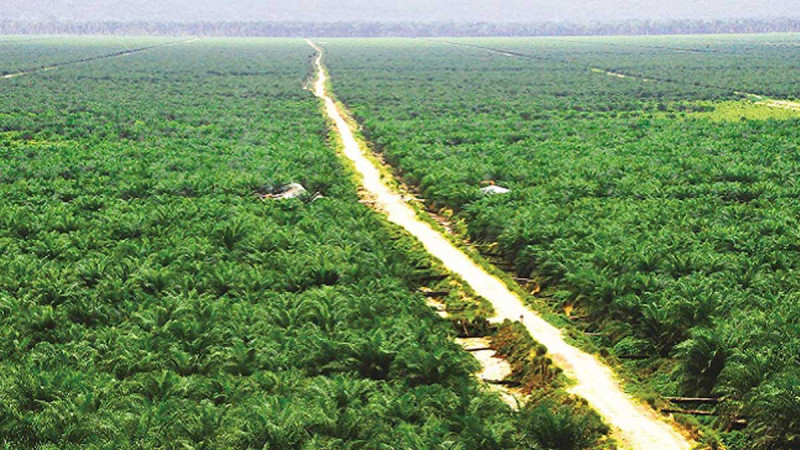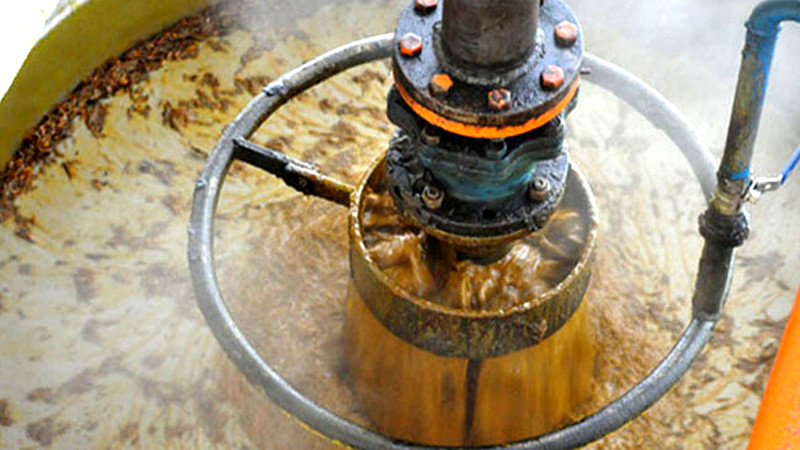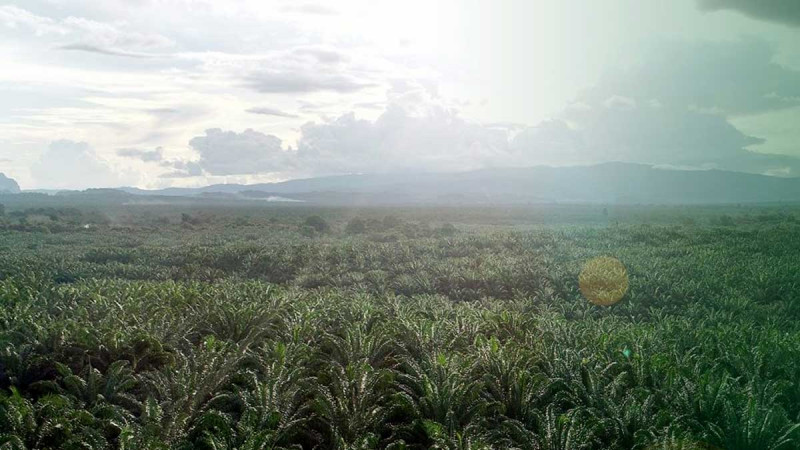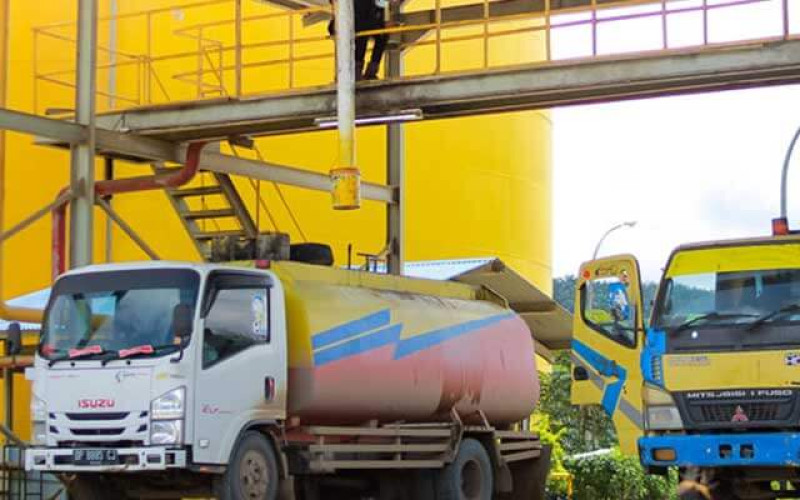
InfoSAWIT, KUALA LUMPUR – A major development has emerged from Malaysia’s palm oil industry. FGV Holdings Berhad (FGV) announced it has officially received approval from the United States (U.S.) Customs and Border Protection (CBP) to resume exporting palm oil and its derivatives to the United States, following the modification of the Withhold Release Order (WRO) effective 15 January 2026.
In its official statement, CBP said products from FGV—including subsidiaries and joint venture companies—may now be allowed to enter U.S. commerce, provided all applicable U.S. laws and regulations are met.
FGV welcomed the decision and expressed appreciation to CBP for its responses and guidance throughout the evaluation process leading to the WRO modification. The company also thanked the Malaysian government and all stakeholders who supported the recovery process.
Improved Labour Practices as the Key
Quoted by InfoSAWIT from an official statement, FGV emphasized that CBP’s decision reflects the group’s ongoing and comprehensive efforts to strengthen labour practices in line with national regulations and international standards. One key step was the implementation of an action plan to ensure no indicators of forced labour or child labour exist in its operations, based on the International Labour Organization (ILO) framework.
Corrective measures highlighted by FGV include strengthening recruitment procedures to ensure ethical and responsible recruitment practices. This involves investigating recruitment fees before departure and after workers arrive, as well as tightening due diligence and appointments of recruitment agents.
FGV also implemented a recruitment fee reimbursement program, with a total of 23,461 current and former workers having received reimbursements under the “no recruitment fee” principle.
Upgrading Worker Facilities and Digitalizing Compliance
Beyond recruitment, FGV also reported improvements in worker housing and welfare. Over the 2024–2025 period, the company upgraded living conditions by renovating 2,520 worker houses and building 1,002 new units.
In remote areas, FGV improved access to clean water by increasing capacity at 27 water treatment plants and installing 1,193 water filters across 55 locations.
To strengthen access to information, FGV expanded internet connectivity by installing satellite internet at 165 locations.
For monitoring, the company implemented a digital system to track compliance with labour standards, including working hours, rest days, and minimum wage requirements.
Strengthening Worker Voice and Grievance Mechanisms
FGV also highlighted the importance of providing workers with channels to raise concerns. Through Harmony Communication Committees at the plantation level, workers can provide feedback, share views, and raise complaints to management through elected representatives.
The company also strengthened grievance mechanisms by forming a Group Grievance Management Committee as an oversight function and introducing third-party grievance channels. One of the available channels is the internal FGV App, enabling workers to submit complaints in their native language via text or voice messages, with anonymous options.
FGV also collaborated with the National Union of Plantation Workers (NUPW) to strengthen workers’ rights in freedom of association and union membership.
FGV: A Milestone for Restoring US Market Access
FGV Group CEO Dato’ Fakhrunniam Othman described the WRO modification as a significant milestone for the company and a reflection of progress achieved through continuous reform.
“This WRO modification is an important achievement and reflects the progress we have made by consistently doing what is right and ethical. Continuous reform has strengthened labour practices, protected human rights, and embedded sustainability across all aspects of our business,” Fakhrunniam said, as quoted from New Straits Times.
He stressed that worker rights and welfare remain central to FGV’s operations, with sustainability as the group’s key principle.
FGV stated that its sustainability commitment is guided by a strengthened Sustainability Framework built on five pillars: economic growth, governance, social, environment, and innovation and technology.
With U.S. export access reopened, FGV reaffirmed its commitment to further strengthening human rights compliance and integrating sustainability principles throughout the supply chain, while adjusting to evolving global ESG standards. (T2)