InfoSAWIT, JAKARTA — PT Tripatra Engineering has strengthened its role in the global energy transition after Palm Oil Mill Effluent (POME) was officially recognized by the International Civil Aviation Organization (ICAO) as a sustainable feedstock for Sustainable Aviation Fuel (SAF).
The recognition is formalized in ICAO’s document “CORSIA Default Life Cycle Emissions Values for CORSIA Eligible Fuels”, following the completion of a global Life Cycle Assessment (LCA) study under the ICAO Committee on Aviation Environmental Protection (CAEP/14). The study assessed the POME–HEFA (Hydroprocessed Esters and Fatty Acids) pathway based in Indonesia.
The research was submitted by Indonesia’s Directorate General of Civil Aviation under the Ministry of Transportation, with support from the Ministry of Foreign Affairs. The technical team comprised Tripatra and the Indonesia Palm Oil Strategic Studies (IPOSS), beginning work in November 2024 through data collection at palm oil mills, preparation of ICAO working papers, and extensive technical discussions with ICAO member states.
The study classified POME as a residue from palm oil processing with no indirect land use change (ILUC) burden, allowing it to meet ICAO’s sustainability criteria. Following nearly a year of technical review—including benchmarking against academic studies from Hasselt University and verification by the Joint Research Centre (JRC)—POME received an LCA value of 18.1 gCO₂e/MJ.
“This value demonstrates significantly lower emissions compared to conventional jet fuel and can now be used as a default value under the CORSIA scheme by SAF producers worldwide,” Tripatra President Director & CEO Raymond Rasfuldi said.
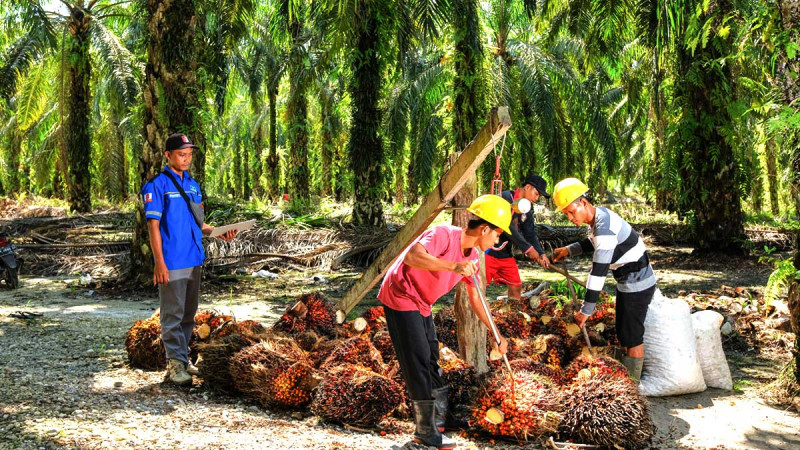
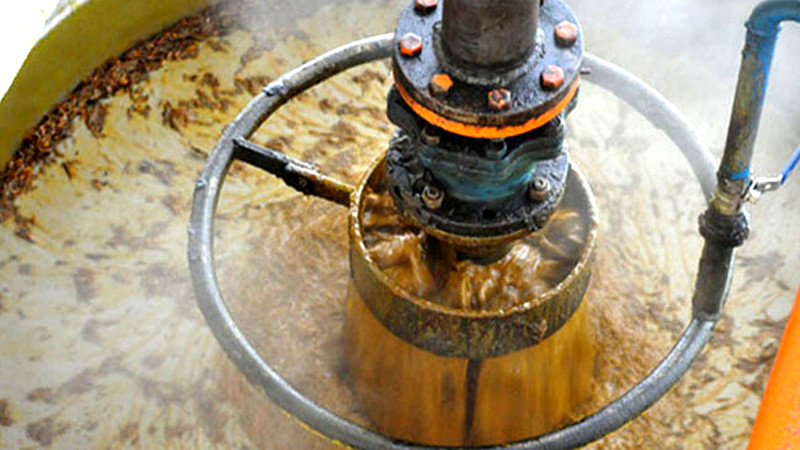
Raymond noted that ICAO’s recognition opens new opportunities for sustainable palm oil waste management. “Liquid waste from palm oil mills, which previously posed methane emission risks, can now be converted into sustainable aviation fuel with lower emissions,” he said.
Tripatra emphasized that the initiative reflects circular economy principles, transforming industrial waste into high-value energy products while reducing environmental impact. (T2)