InfoSAWIT, JAKARTA — Amid rapid technological advancement, Enterprise Resource Planning (ERP) Plantation systems have emerged as the backbone of digital transformation in palm oil estates.
Eko Widodo of the Indonesian Digital Transformation Institute (ITDI), a partner of NUIJI, explained that ERP systems enable efficient real-time management of resources—from labor and fertilizers to fuel and maintenance.
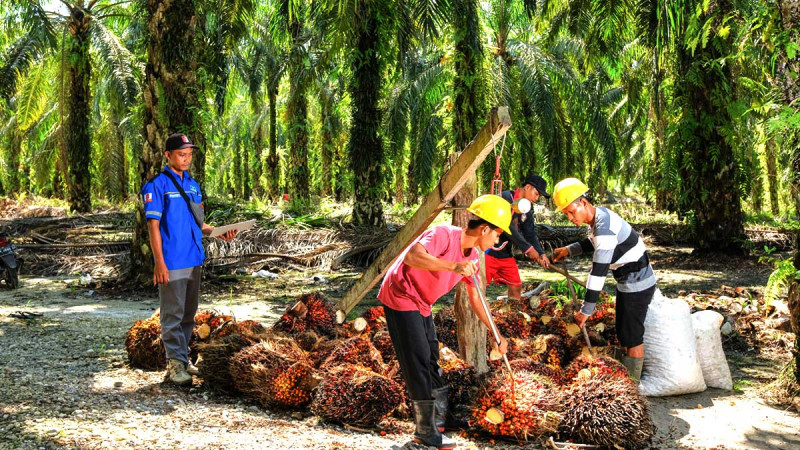
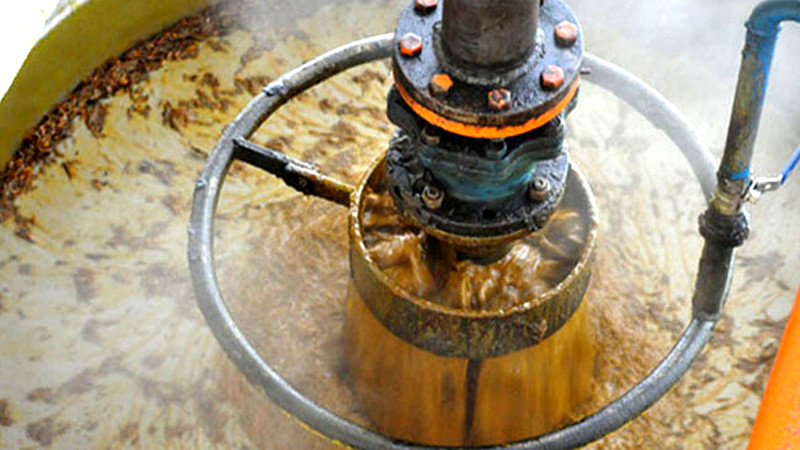
Face-recognition-based attendance systems reduce fraud, while real-time harvest and FFB transport records simplify logistics efficiency evaluations. Laboratory data on free fatty acid (FFA) levels are also integrated, supporting daily CPO quality monitoring.
Another advantage is the operational expenditure (opex) cost model, which eliminates large upfront investments. With cloud-based servers, data can be accessed both at headquarters and plantation sites, while system updates automatically align with regulatory changes.
“Digital transformation in palm oil is not just about Industry 4.0 trends, but about addressing productivity, sustainability, and transparency challenges,” Eko said.
With high efficiency and relatively low costs, digitalization offers Indonesia a strong opportunity to maintain its position as the world’s largest palm oil producer while meeting global demands for sustainability and low carbon footprints. (T2)
Source: InfoSAWIT Magazine October Edition