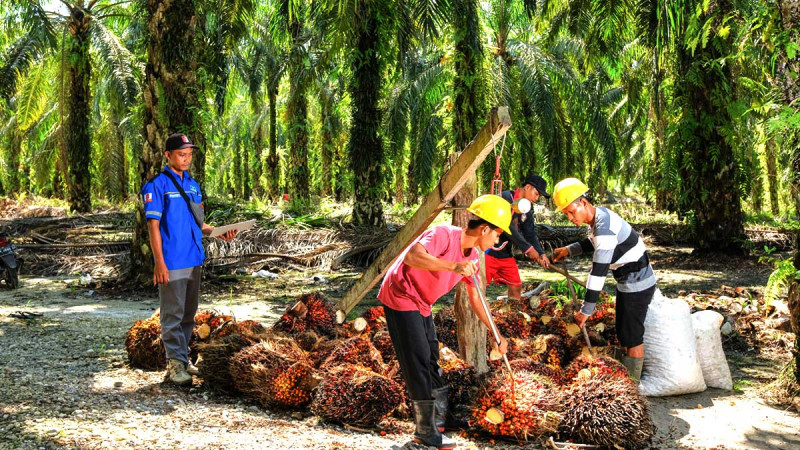
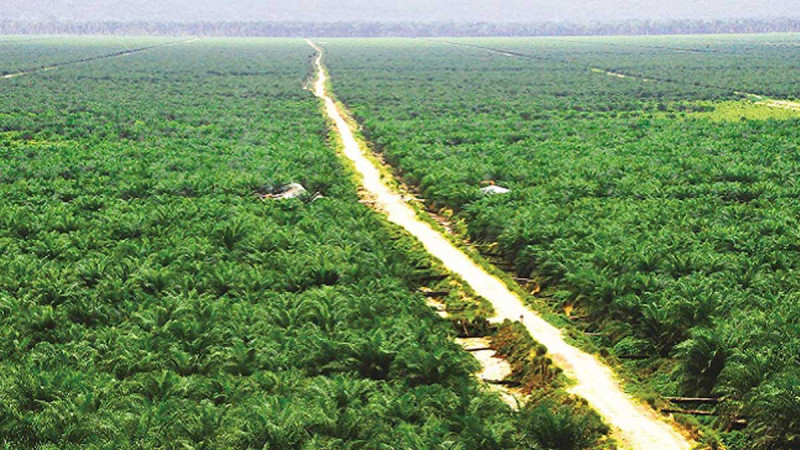
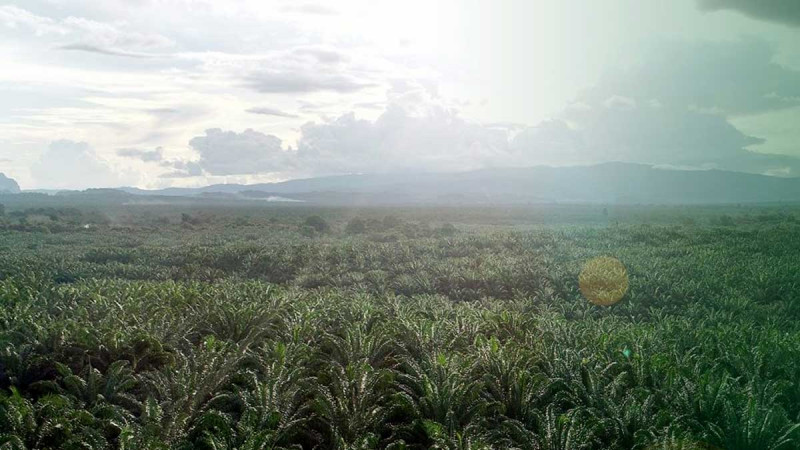
InfoSAWIT, JAKARTA — For many communities, palm oil plantations are no longer merely a source of livelihood, but a legacy that existed long before the state formally designated forest areas.
Today, however, the legal status of these plantations hangs in the balance, bound by provisions of the Law on the Prevention and Eradication of Forest Destruction. Regulations that initially promised exemptions for smallholders have, in practice, been narrowed again through complex administrative requirements.
“Excluded, but then excluded again. In the end, communities are still trapped,” said Gunawan, Senior Advisor to the Indonesian Human Rights Committee for Social Justice (IHCS), during an online discussion attended by InfoSAWIT.
Gunawan explained that out of thousands of smallholder palm oil plots recorded within forest areas, only a handful are genuinely protected. The rest face prolonged legal uncertainty. “Communities have lived there for decades. There are schools, health clinics, places of worship, even village offices. The government recognizes the people, but not the land they manage,” he said.
This situation creates a stark paradox. Large corporations can easily secure permits—even continue operating despite problematic licenses—while small farmers remain under constant threat of criminalization. Ironically, law enforcement often appears not as a protector, but as an enforcer of inequality.
“This legal uncertainty harms not only communities, but also creates vulnerabilities in the business climate,” Gunawan added.
He stressed that the issue goes beyond legal violations and reflects inconsistent state policies. Instead of addressing the core problem—why communities meant to be exempt remain penalized—the government continues to rely on technical recommendations.
In the ongoing judicial review process, the government has submitted its explanation, while the House of Representatives (DPR) has remained silent. Attention now turns to the Constitutional Court, which will decide whether the disputed articles should remain in force or be annulled.
The ruling is expected to determine whether the state truly stands with forest-edge communities, or continues to leave them mired in exhausting legal uncertainty. (T2)
Source: InfoSAWIT Magazine October Edition