InfoSAWIT, JAKARTA — Palm oil continues to face persistent negative narratives, ranging from deforestation and flooding to excessive water consumption. While environmental violations by certain actors do exist, portraying the entire palm oil industry — including smallholders — as the culprit is misleading and unfair.
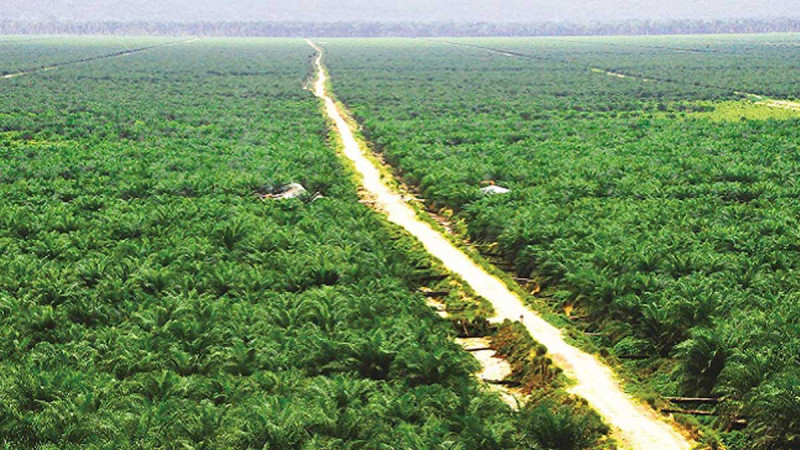
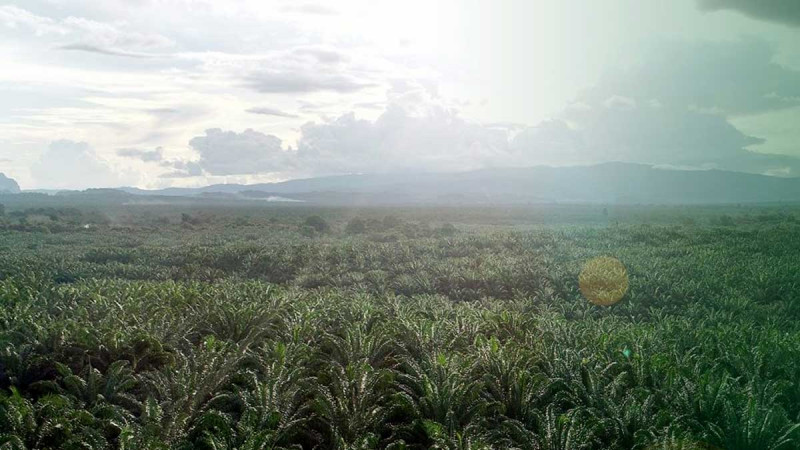
Scientifically, oil palm plantations are often unfairly compared with forests. In terms of oxygen production, oil palm plantations can even outperform forests, while evapotranspiration rates between forests and oil palm are relatively similar, averaging 4–5 millimeters per day.
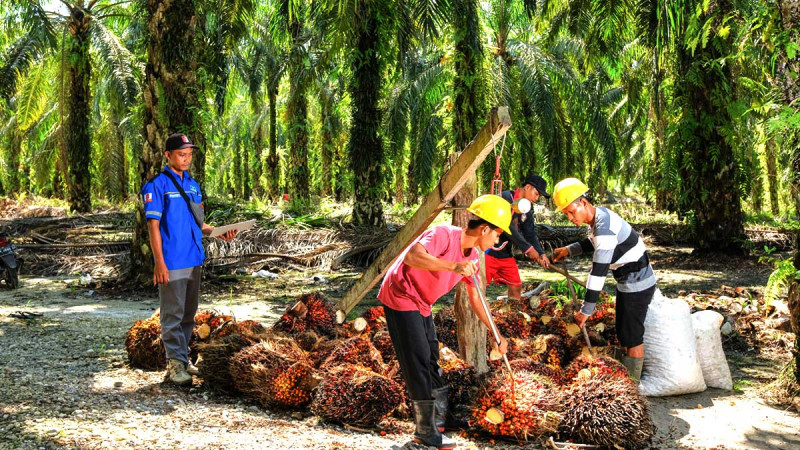
Modern palm plantations also implement soil and water conservation practices, such as contour trenches, drainage systems, and frond stacking, which help reduce erosion and water runoff. The real issue lies not in palm oil itself, but in poor practices and weak oversight.
Ironically, smallholder plantations often face stricter scrutiny than large-scale estates, including those owned by foreign entities. At the same time, government policies are seen as prioritizing taxes and export levies over productivity improvement.
Without fair policies, strong supervision, and genuine support for farmers, palm oil will remain an easy target of global criticism—despite its strategic role in food security, energy, and the national economy. (*)
Opinion by Memet Hakim / Social Observer and APIB Advisory Council Member
Disclaimer: This article represents the author’s personal opinion and is entirely the author’s responsibility, and is not related to InfoSAWIT in any way.