InfoSAWIT, JAKARTA — Indonesia continued to post strong trade performance, with the country recording a 66-month uninterrupted trade surplus, supported largely by robust palm oil exports.
The Central Statistics Agency (BPS) reported that between January and October 2025, Indonesia’s palm oil exports—including CPO and processed derivatives—grew at a double-digit pace and remained the top contributor to non-oil and gas exports.
Total palm oil export value during this period reached US$20.2 billion, accounting for 9.05% of all non-oil and gas shipments. “Exports of CPO and its derivatives rose 25.73% in value compared to the same period in 2024,” BPS Deputy Pudji Ismartini said during a press briefing on Monday (8 December).
A year earlier, palm oil exports stood at US$16.07 billion. The increase was supported by strengthening global prices, with world palm oil values rising 0.80% month-on-month in October 2025 to US$1,045.04 per metric ton.
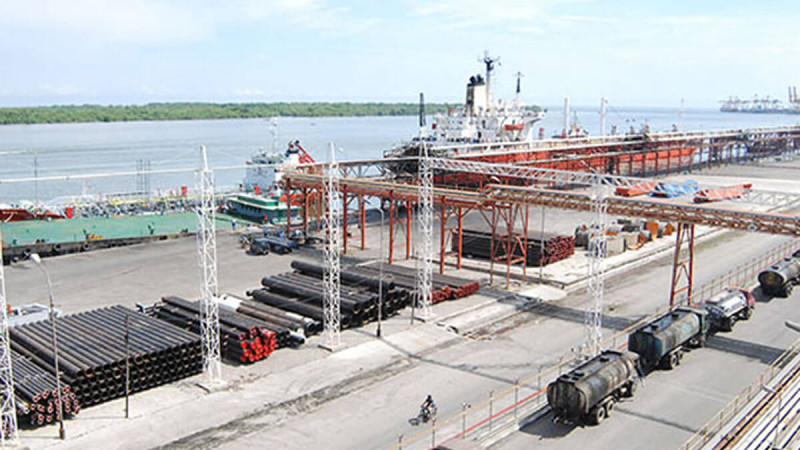
In volume terms, Indonesia exported 19.49 million tons of palm oil in the first ten months of 2025, up 7.83% from 18.08 million tons in 2024. October alone recorded exports of 1.91 million tons.
India remained among the largest buyers. Indonesia’s non-oil and gas exports to India reached US$15.32 billion through October 2025, with animal/vegetable fats—primarily palm oil—contributing US$1.38 billion. Demand typically climbs during India’s festival seasons when consumption of sweets and fried foods rises sharply.
The fats and oils category helped widen Indonesia’s trade surplus, adding US$28.12 billion as of October 2025.
A positive development emerged from Europe, where the European Parliament voted to delay implementation of the EUDR (EU Deforestation Regulation) by one year. The rule requires geolocation proof ensuring that palm oil products do not originate from deforested land—an obligation that could heavily burden smallholders.
If fully approved, large companies would have until 30 December 2026 to comply, while MSMEs would receive an extension until 30 June 2027.
Coordinating Minister for Economic Affairs Airlangga Hartarto welcomed the delay as a diplomatic win. “This postponement is a victory for Indonesia. We have consistently pushed for revisions to the EUDR,” he said at a business forum.
Meanwhile, Indonesia continues lobbying for U.S. tariff exemptions for palm oil in ongoing trade negotiations. Airlangga expressed optimism that the U.S. government will grant the waiver, noting that palm oil cannot be cultivated domestically in the United States. (T2)