InfoSAWIT, NUSA DUA — Despite global economic turbulence, the Indonesian palm oil industry has shown remarkable resilience. The Chairman of the Indonesian Palm Oil Association (GAPKI), Eddy Martono, stated that GAPKI has prepared three main strategies to ensure the industry remains a pillar of the national economy amidst global challenges.
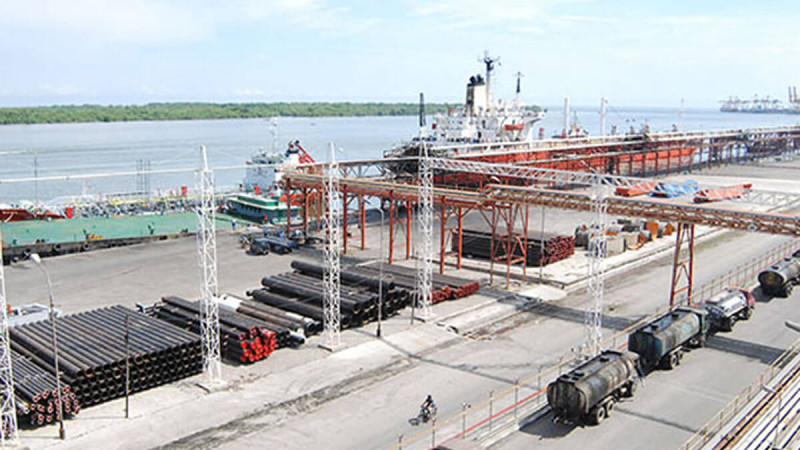
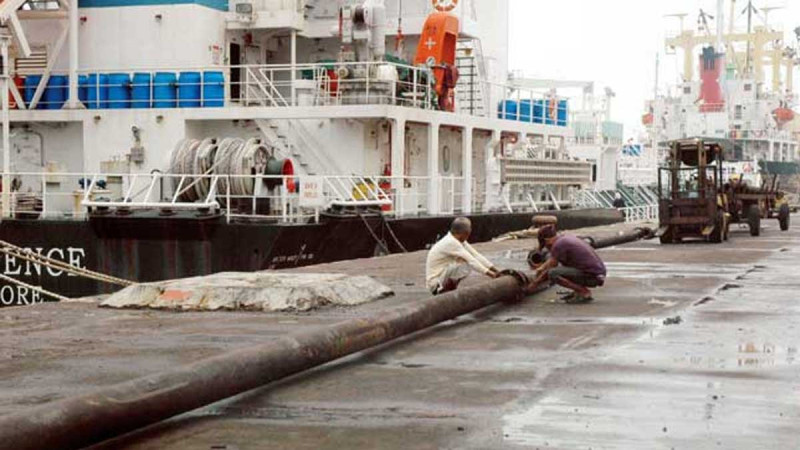
Production data until September 2025 showed an 11% increase, hitting 43 million tons nationally. Exports, including CPO, oleochemicals, and biodiesel, reached 25 million tons, with a foreign exchange value of US$ 27.3 billion, a 40% jump compared to the same period last year.
Eddy emphasized that GAPKI's strategy focuses on: expanding global trade access, strengthening industrial governance through ISPO, and reinforcing palm oil's role in national green energy policy.
Strategy 1: Navigating Global Regulations
Eddy believes the Indonesia–EU Comprehensive Economic Partnership Agreement (IEU CEPA) opens up opportunities, but the EU Deforestation Regulation (EUDR) poses a new challenge.
"The EUDR is not just a regulation but a reflection of the system we must build. We need to answer it with data, facts, and standards that are even higher than what they set," Eddy asserted.
Strategy 2: Governance and ISPO as the Gold Standard
The second strategy is to strengthen national palm oil governance. The Indonesian Sustainable Palm Oil (ISPO) certification must become the primary instrument for building global trust and a symbol of national sovereignty in setting sustainability standards.
Strategy 3: Green Energy and Economic Independence
Eddy also highlighted the importance of national biofuel policies, such as the B35 and B40 mandates, as a tangible step towards clean energy transition.
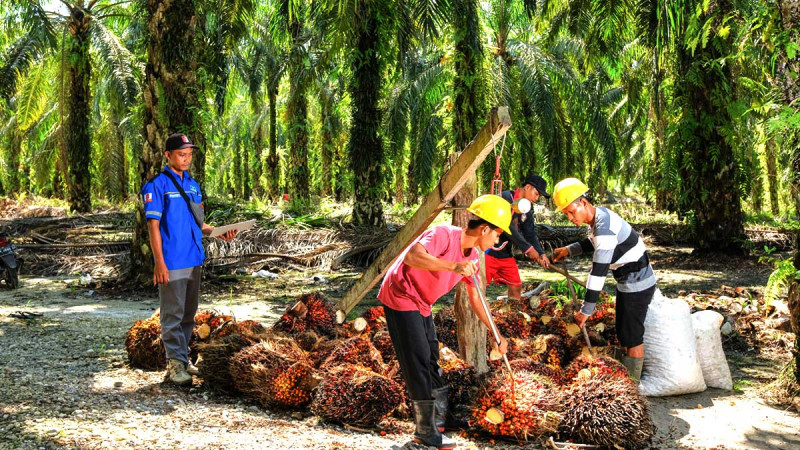
GAPKI is also expanding its impact by supporting smallholders and encouraging youth innovation. Notably, GAPKI recognized the Kutai Timur Palm Oil Farmers Cooperative for achieving 37.4 tons of FFB per hectare—the highest productivity in Indonesia—and sponsored a national Hackathon to generate digital solutions for the industry. (T2)