InfoSAWIT, JAKARTA — Land disputes remain the most common issue. Across Sumatra to Papua, numerous indigenous communities and smallholders have reported forced evictions, land clearing without permits, and even criminalization of residents opposing expansion. Intimidation often targets those resisting corporate entry.
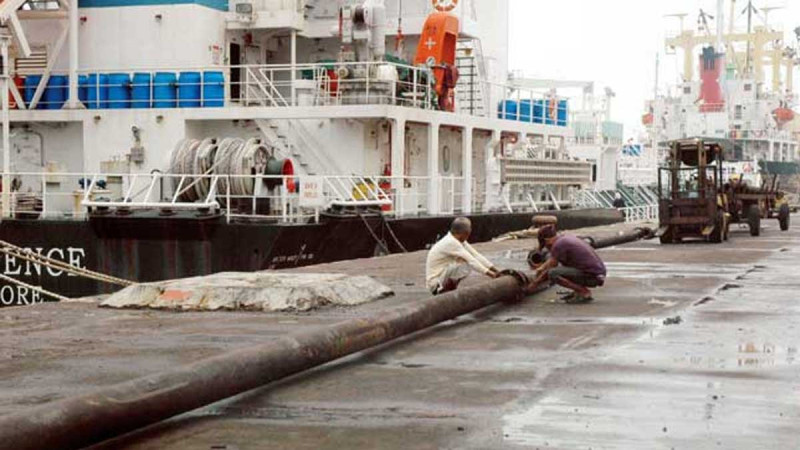
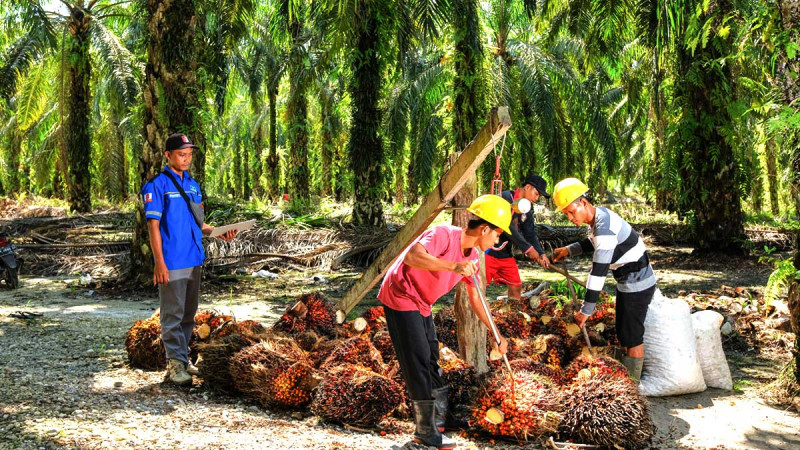
Another ongoing concern is labor conditions—low wages, long hours, and poor occupational safety (OHS). Reports from various organizations reveal instances of child and family labor during harvesting and maintenance activities.
“These cases didn’t appear overnight. They stem from weak communication and transparency from planning to operations,” said Wahyu Wagiman, a lawyer and former Executive Director of ELSAM (2016–2020). Public consultations, he noted, often become mere formalities instead of genuine engagement.
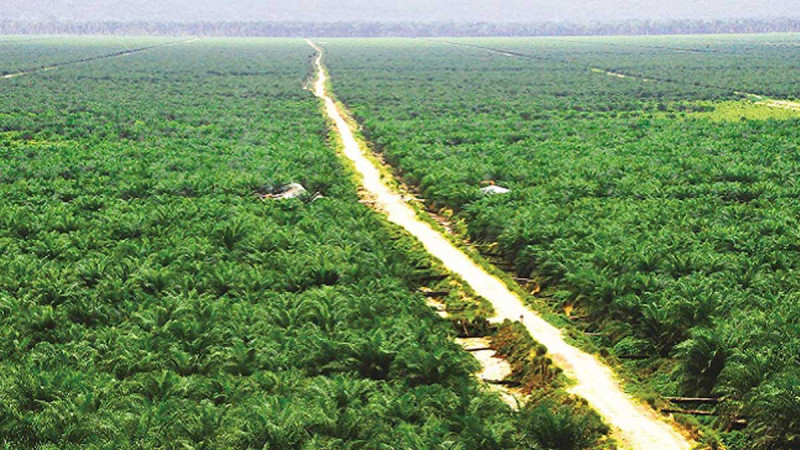
Environmental footprints are equally serious. Deforestation, unmanaged waste, and recurring forest and land fires continue to plague the industry. Monitoring groups have recorded pollution and haze incidents across nearly all major islands.
For communities near concessions, the impacts are real—deteriorating air quality, polluted water, and long-term health risks. “If we look across reports from multiple agencies, it’s clear—these are not myths but facts,” Wahyu emphasized.
Still, he believes there is a way forward: companies must conduct human rights due diligence (HRDD). This allows early identification of risks, mitigation of impacts, and the strengthening of sustainability strategies.
“Addressing human rights, environmental, and labor issues isn’t just moral—it’s a business strategy for long-term resilience,” he said. Companies ignoring these concerns face greater pressure from governments, communities, and sustainability-conscious investors.
Most major firms are now ISPO or RSPO members, but sustainability must be internalized—not remain a symbolic commitment. He also urged reference to the UN Guiding Principles on Business and Human Rights (UNGPs) and Indonesia’s National Human Rights Standards.
“In the end, palm oil sustainability is not just about image—it’s about ensuring justice for communities, workers, and the environment that sustain us,” Wahyu concluded. (*)