InfoSAWIT, KUALA LUMPUR — The Roundtable on Sustainable Palm Oil (RSPO) continues to strengthen the role of smallholders in the sustainable palm oil supply chain. Through various market-based initiatives, RSPO seeks to ensure that every buyer understands the real impact of their support — whether through credit purchases or certified products.
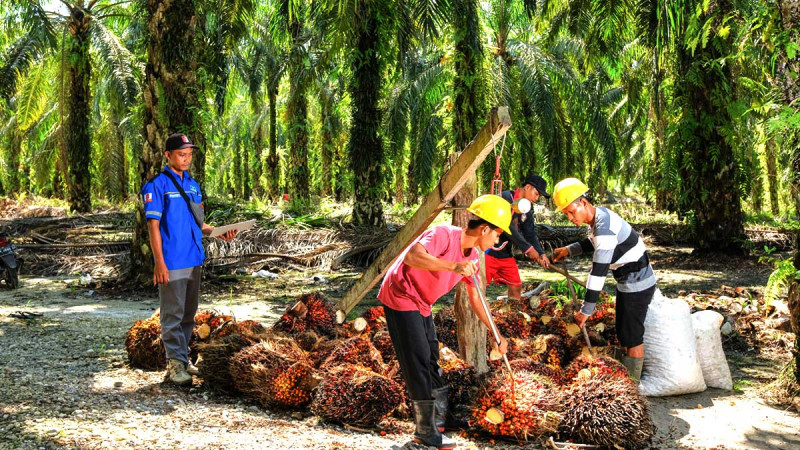
According to RSPO Director of Market Transformation, Inke van der Sluijs, smallholders hold a strategic position in the global palm oil sector. “About 40 percent of the world’s oil palm plantations are managed by smallholders, making their inclusion in sustainability efforts crucial,” she told InfoSAWIT during the RSPO 2025 Palm Oil Tour in early November 2025.
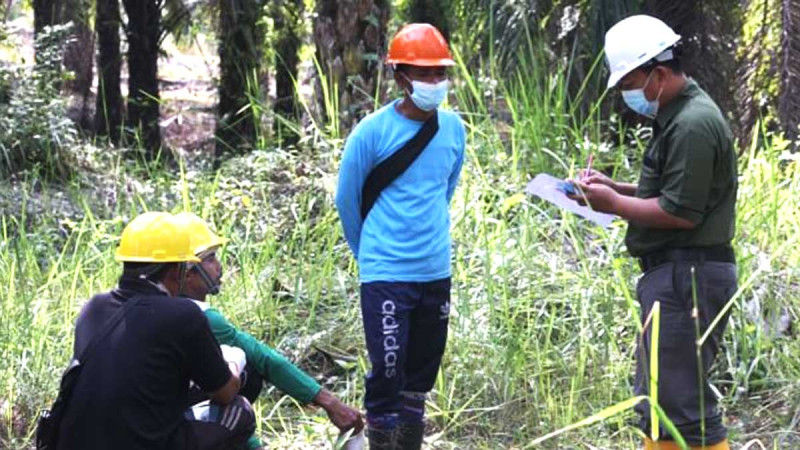
RSPO and its members have been working closely with smallholder groups to help them achieve independent certification under a dedicated standard designed for smallholders. This process not only ensures environmentally and socially responsible practices but also opens access to sustainable global markets.
One form of market support is through the RSPO Independent Smallholder (IS) Credit scheme, which provides direct financial incentives to certified smallholders. “It’s important that buyers understand what their purchases represent. Every transaction has a real social and environmental impact,” said Inke.
The impact extends beyond plantation practices — many smallholder groups have designated conservation areas and protected high conservation value (HCV) forests. Others have used credit revenues to fund public facilities such as health clinics or environmental training centers.
Inke added that the biggest challenge now lies in strengthening market understanding of the true value of sustainable palm oil sourced from smallholders. RSPO is engaging buyers in China, Japan, South Korea, India, Indonesia, and Malaysia to demonstrate that every dollar spent contributes directly to field-level transformation.
“When buyers realize that their purchases help farmers protect forests, improve livelihoods, and reinforce sustainability, the value of sustainable palm oil becomes more tangible,” she concluded.
Through this collaborative approach, RSPO hopes that impact-oriented market engagement can accelerate the transformation toward a more inclusive, fair, and environmentally responsible palm oil industry — with smallholders at its core. (T2)