InfoSAWIT, SABAH — The State Government of Sabah, Malaysia, continues to advance toward a sustainable palm oil industry through the implementation of the Jurisdictional Approach to Sustainable Palm Oil (JASPO). This initiative has become a milestone in balancing palm oil production with biodiversity conservation, including protecting orangutan habitats and other wildlife.
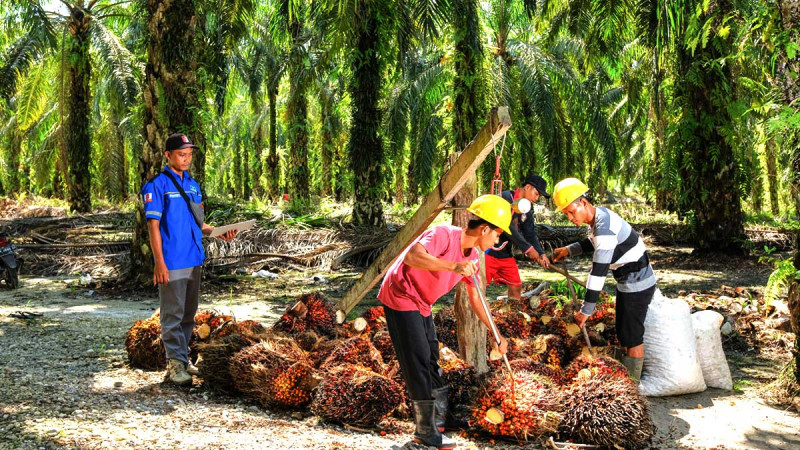
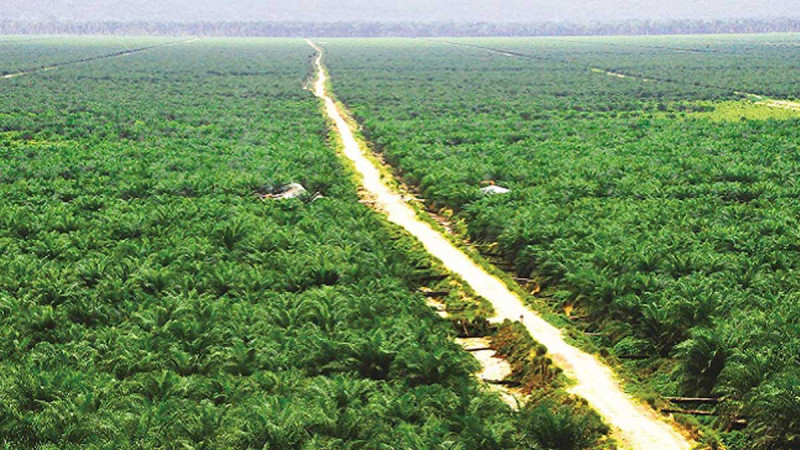
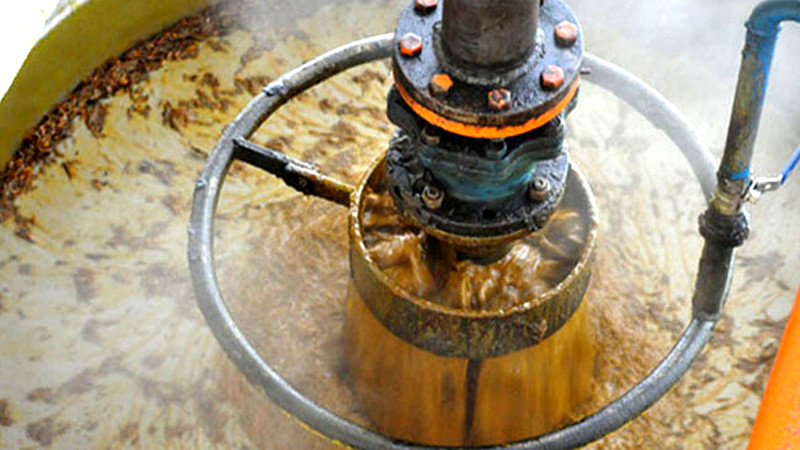
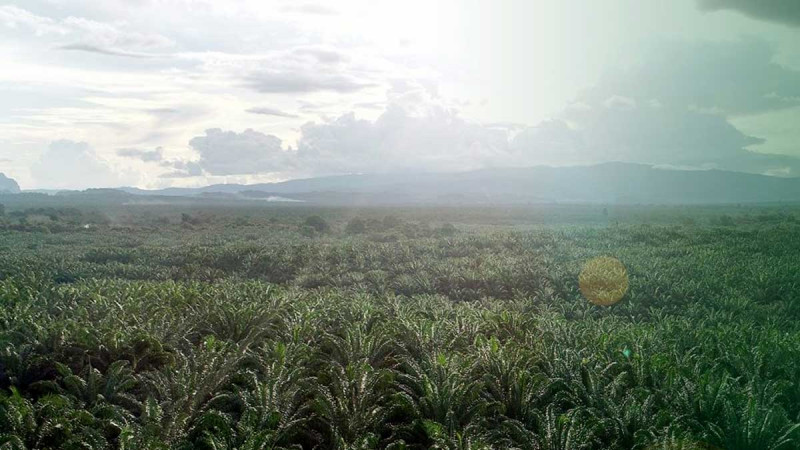
Sabah is one of Malaysia’s leading palm oil-producing regions. With oil palm plantations spanning 1.5 million hectares and 128 palm oil mills processing around 34.7 million tons of fresh fruit bunches (FFB) annually, the state contributes about 4.5 million tons of crude palm oil (CPO), or 26.6% of Malaysia’s total production.
Julia Majail, Director of the Sabah JASPO Initiative, explained that the success of the jurisdictional approach is inseparable from the strong support of the state government and local communities. “The Sabah jurisdictional approach receives full support from both the government and the local community,” Julia told InfoSAWIT during the RSPO 2025 Palm Oil Tour in Sandakan, Sabah.
According to Julia, JASPO aims to integrate sustainability principles into regional governance and the palm oil industry. Through this approach, the implementation of RSPO standards becomes more systematic — involving local governments, companies, and smallholders within a unified policy framework.
“At first, many parties were hesitant to participate due to various challenges on the ground,” she said. “But over time, support has grown, especially after the government demonstrated real commitment to sustainable palm oil development.”
Julia emphasized that the success of JASPO also depends heavily on global consumer awareness of sustainability. Market commitment to purchasing sustainable palm oil products remains a crucial factor for keeping the initiative alive. “Awareness of sustainability must be accompanied by consumers’ willingness to pay for added value,” she said.
Although local policy support has been strong, Julia acknowledged that funding remains a key challenge. She hopes that financial assistance from the government will continue over the next two to three years to ensure the program’s long-term success.
With strong government commitment and multi-stakeholder collaboration, Sabah now stands as a leading model for implementing jurisdictional approaches to sustainable palm oil at the regional level — an example that could inspire other palm oil-producing regions across Southeast Asia to balance economic growth with environmental conservation. (T2)