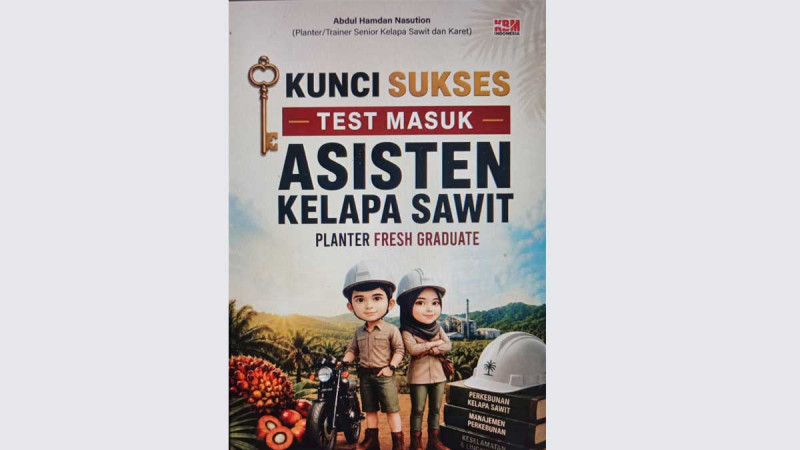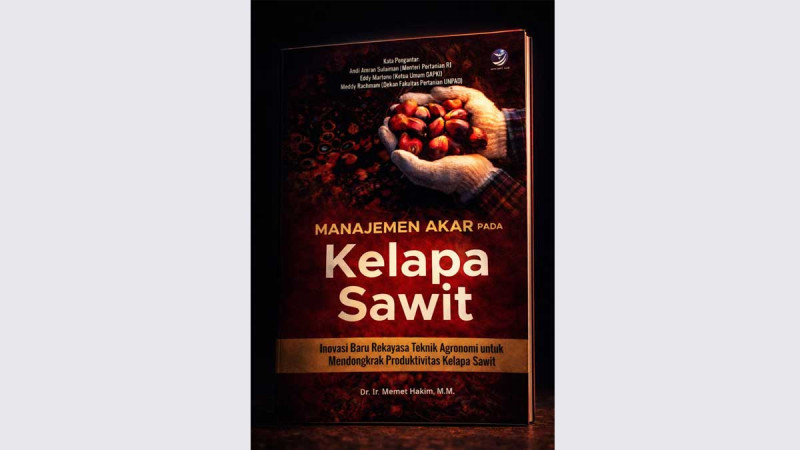
InfoSAWIT, JAKARTA – In Indonesia's rapidly growing palm oil industry, the demand for competent professionals is becoming increasingly urgent. However, a significant challenge often encountered in the field is the unpreparedness of fresh graduates to meet the demands of the workplace. This gap is precisely what the book, "From Campus to Becoming a Successful Excellent Planter," written by two experienced practitioners, Maruli Pardamean and Candra Ernando Ritonga, aims to bridge.
The book is not merely about the technical aspects of palm cultivation. More than that, the authors invite aspiring planters to understand the importance of combining hard skills, soft skills, and managerial abilities. The work environment in the plantation sector demands more than just theoretical knowledge—it requires work ethic, integrity, communication skills, and mental and physical resilience.
Written in clear yet accessible language, the book delves into various important aspects often overlooked in academic settings. The authors successfully convey that to become an excellent planter, one must not only master technical knowledge but also possess strong character and leadership, as well as the ability to interact well with subordinates, colleagues, and superiors.
An interesting testimonial comes from Ardiko Montemerano, an Independent Plantation Advisor, who described the book as a comprehensive guide that is not only inspiring but also highly practical. He noted that the book effectively combines rich field experience with deep insights into various aspects, from technical and non-technical to managerial.
According to Ardiko, each chapter is systematically arranged and imbued with values crucial for success in the plantation industry: leadership, discipline, and integrity. Real-life stories and practical examples make it easier for readers to understand and apply the concepts.
This book is highly recommended, especially for students of agriculture, plantations, and forestry, as well as recent graduates aspiring to a career as planters. Young professionals looking to develop themselves can also benefit greatly from this publication. (T2)