InfoSAWIT, JAKARTA – PT Perusahaan Gas Negara Tbk (PGN) is preparing to integrate biomethane into Indonesia’s natural gas infrastructure as the country seeks to expand the use of lower-carbon energy sources.
One of the projects nearing the final stages of development is located in South Sumatra and will use palm oil mill effluent (POME) as feedstock to produce biomethane.
PGN Corporate Secretary Fajriyah Usman said the project is being developed in collaboration with PT Toyota Tsusho Indonesia (TTI) and PT KIS Biofuels Indonesia (KIS). The partnership aims to expand biomethane utilization while supporting the availability of domestic energy supplies.
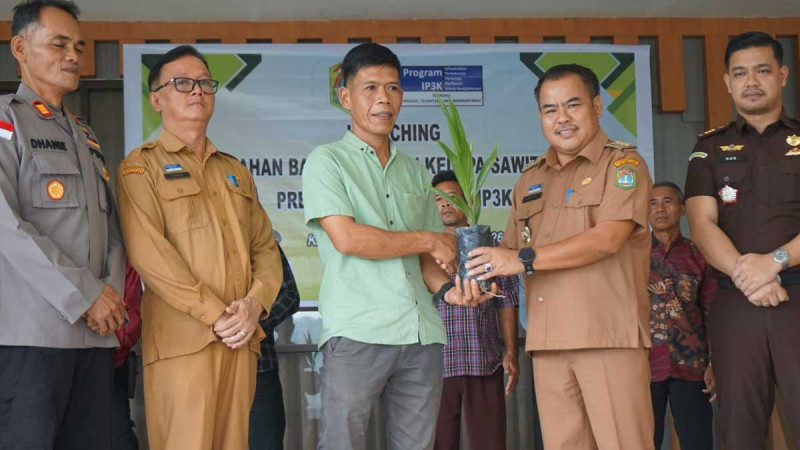
PGN attended the groundbreaking ceremony for the biomethane facility developed by TTI and KIS on Monday, Oct. 5, 2026. The facility will process organic waste from the palm oil industry and is targeted to produce around 150,000 million British thermal units (MMBTU) of biomethane annually.
According to Fajriyah, the project represents the first initiative in Indonesia to produce biomethane in Sumatra, a region with a significant concentration of palm oil mills.
The project also follows up on a 2022 memorandum of understanding between PGN and TTI concerning biomethane development in Indonesia.
PGN to Serve as Offtaker and Distributor
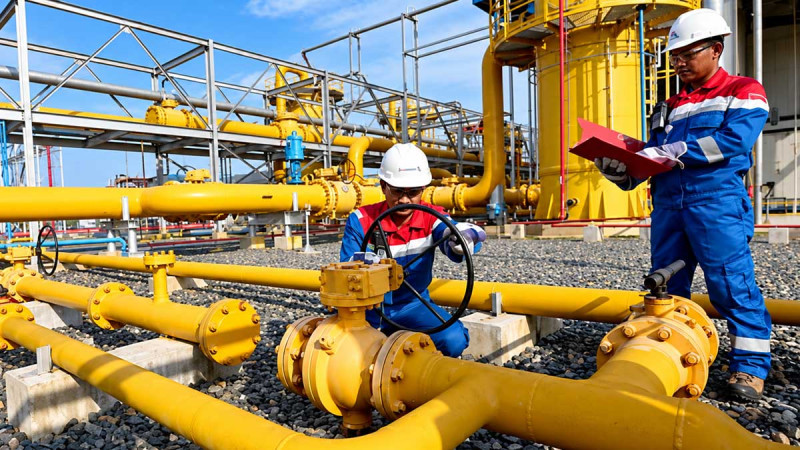
Under the cooperation scheme, PGN will act as the main offtaker and distributor of biomethane through its existing gas pipeline infrastructure.
The biomethane will be produced by PT KIS Toyota Tsusho Biomethane Indonesia (KTBI), a joint venture between KIS and TTI. The low-carbon gas is planned to be supplied to Toyota Motor Manufacturing Indonesia (TMMIN) and other industrial users through PGN’s network.
Fajriyah said PGN welcomed the initiative and was ready to support biomethane development through its existing infrastructure and commercial capabilities.
One of the key advantages of biomethane is that it can use infrastructure already deployed for natural gas distribution. This could allow industrial consumers to adopt biomethane without requiring major modifications to existing facilities.
Turning Palm Oil Waste into Energy
The project also creates an opportunity for the palm oil industry to extract additional economic value from its waste streams.
The main feedstock is Palm Oil Mill Effluent (POME), a liquid waste generated during the processing of fresh fruit bunches at palm oil mills.
Through processing, methane that could otherwise be released into the atmosphere can be captured and converted into energy. The approach has the potential to reduce greenhouse gas emissions while supporting Indonesia’s emissions-reduction commitments and its long-term net-zero target for 2060.
For the palm oil industry, converting POME into biomethane represents another avenue for downstream development, shifting waste management toward the production of higher-value renewable energy.
Fajriyah said biomethane could play a strategic role in strengthening energy security while reducing industrial emissions.
Once operational, the project is expected to provide low-carbon energy to industrial users such as TMMIN, potentially helping companies respond to increasingly stringent green supply-chain requirements.
PGN hopes the cooperation model can eventually be replicated in other palm oil-producing regions, expanding the use of palm oil waste as a renewable energy source across Indonesia. (T2)
Source: InfoSAWIT