InfoSAWIT, JAKARTA – In Indonesia's palm oil plantation landscape, education is increasingly becoming part of the industry's long-term approach to developing communities and human resources.
Wilmar is expanding its education initiatives in Central Kalimantan, seeking to improve access to schooling while creating opportunities for children living in and around plantation areas.
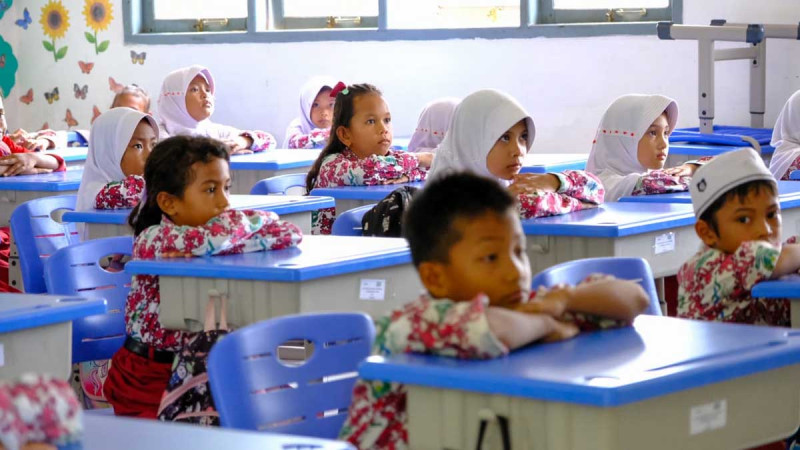
In Kenyala Village, East Kotawaringin Regency, Central Kalimantan, Sekolah Bina Bangsa 02 stands amid the activities of a plantation area. Managed by the Bina Bangsa Foundation, the school is part of Wilmar's Central Kalimantan Project (CKP).
Rather than serving only as an educational facility for employees' families, the school also provides access to children from surrounding villages.
“The children are the nation's future generation and therefore must be prepared as well as possible. Every child deserves equal access to education,” said Siti Wahyuni, Coordinator of the Bina Bangsa Foundation.
20 Schools Across Central Kalimantan
The foundation currently manages 20 schools across Central Kalimantan, consisting of eight kindergartens, six elementary schools, three junior high schools and three senior high schools.
Together, the schools serve 6,004 students supported by 289 teachers and education personnel.
The scale of the program reflects a broader effort to address educational access in plantation regions where schools and other public facilities may be limited.
Education at the schools is provided free of charge, although students are required to cover the cost of uniforms.
The program also extends beyond Wilmar's workforce. Around 380 students come from surrounding villages, making the schools a point of connection between plantation communities and the wider education system.
Beyond Formal Education
The initiative reflects a broader approach in which education is viewed not simply as the provision of school facilities, but as part of long-term human resource development.
For communities surrounding plantation areas, access to quality education can influence children's future opportunities and their ability to pursue further study or enter different sectors of the economy.
Wilmar's education program therefore places attention on both access and continuity, from early childhood education through senior high school.
However, formal education represents only one part of the broader human resource challenge facing plantation communities.
The company's initiatives also extend into other forms of development, including programs designed to connect education with practical skills and future employment opportunities.
This approach positions education as a long-term investment in people, alongside the company's operational activities in the palm oil sector. (T2)
This article is adapted from material published in InfoSAWIT Magazine, July 2026.