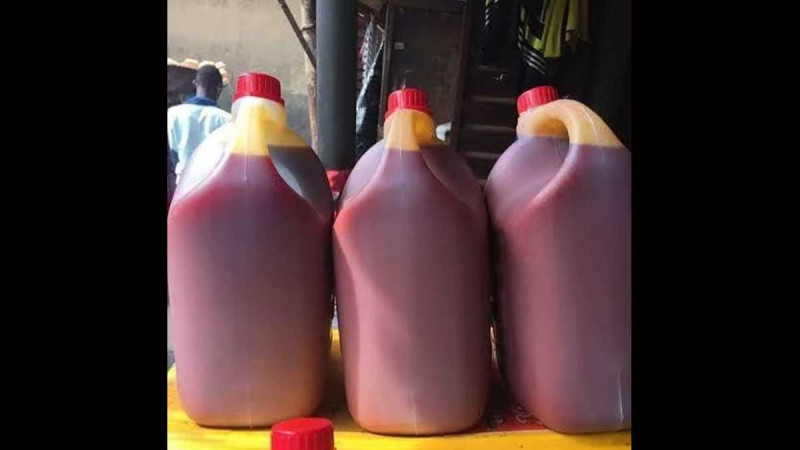
InfoSAWIT, LAGOS – Concerns over palm oil quality are prompting some consumers and traders in Lagos, Nigeria, to rely on taste, color, aroma and texture when identifying products they suspect may have been adulterated.
InfoSAWIT, citing the News Agency of Nigeria (NAN) on Thursday, October 1, 2026, reported that consumers and traders shared their experiences in separate interviews in Lagos.
Chidinma Nwabueze, a palm oil trader at Oyingbo Market, said she mainly sourced palm oil from trusted mills and suppliers, including those in eastern Nigeria. She said experience was important when distinguishing genuine palm oil from products suspected of being mixed with other substances.
According to Nwabueze, consumers familiar with palm oil can identify differences through color, thickness and aroma. Some differences, she added, may only become apparent during cooking.
Goodness Okoro, a resident of Apapa Road, said she became suspicious about the quality of palm oil after needing more oil than usual to prepare soup, while the expected color and consistency did not develop.
“I pay attention to the taste and color to determine the quality,” Okoro said, adding that she was concerned about potential health implications.
Another consumer, Mummy Joy from Ikotun, said she had heard about palm oil being mixed with other substances but did not know exactly what materials were allegedly used. She said she generally relied on appearance and taste.
Concerns over coloring agents were also raised by Okoro Ebube, who said naturally produced palm oil from rural areas has a distinctive red color.
The Lagos State Consumer Protection Agency has urged consumers to be cautious when purchasing palm oil following discussions at the Lagos State Food Safety Conference and Exhibition 2026.
However, consumer observations such as taste, color, aroma, texture and sediment are not substitutes for laboratory testing. Authorities would need appropriate testing to establish whether adulteration occurred, identify any added substances and assess potential food-safety risks. (T2)