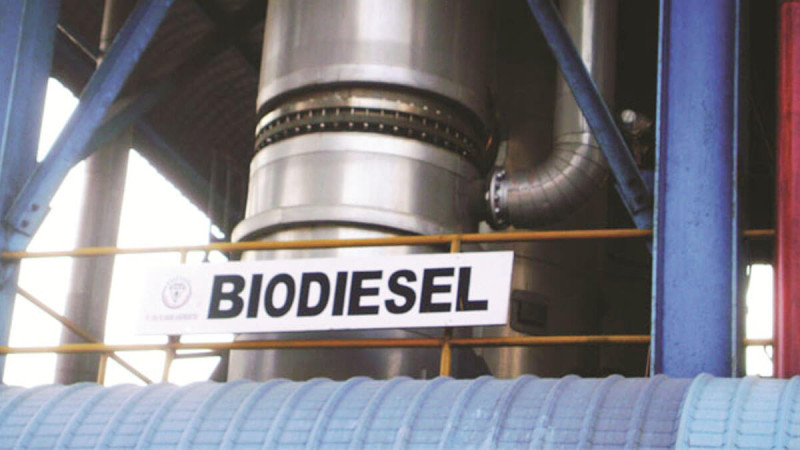
InfoSAWIT, LONDON – Britain's biodiesel industry is facing renewed pressure after the government decided against imposing safeguard duties on subsidized biodiesel imports from the United States, raising concerns over the future of domestic production.
InfoSAWIT, citing Bioenergy Times on Thursday, October 1, 2026, reported that an earlier government assessment indicated tariffs of more than £250 per tonne could protect domestic biodiesel producers. However, Business Secretary Jonathan Reynolds rejected the proposed measure in September.
The government estimated that the protection would generate around £3 million a year in benefits for UK producers, while additional costs for downstream industries and consumers could reach approximately £46 million annually.
The Renewable Transport Fuel Association (RTFA) said the decision could place further pressure on Britain's remaining biodiesel producers. The organization said the UK now has three biodiesel production facilities, compared with five several years ago.
RTFA Chief Executive Alex Wolfe said greater reliance on imported renewable fuels could expose the UK market to international price and trade fluctuations.
The issue comes as global biodiesel production is expected to expand. The World Bioenergy Association, OECD and FAO estimate global production could rise from around 71 billion liters in 2024 to 99 billion liters by 2035.
UK producers currently supply about 7% of domestic biodiesel demand, while US imports are estimated to account for roughly one-quarter of the market. Other supplies come from China, the European Union and Malaysia.
The dispute began after UK biodiesel producers filed a complaint with the Trade Remedies Authority in March 2025, arguing that subsidized US imports were harming domestic producers. The authority found evidence of injury, but the government ultimately decided not to impose additional protection after applying a broader economic-interest assessment.
RTFA is consulting legal advisers over possible action, while the government maintains that existing trade remedies and the Renewable Transport Fuel Obligation continue to support the domestic low-carbon fuels sector.
The debate highlights the challenge of balancing competitive imports with domestic production capacity, investment and renewable fuel supply resilience. (T2)