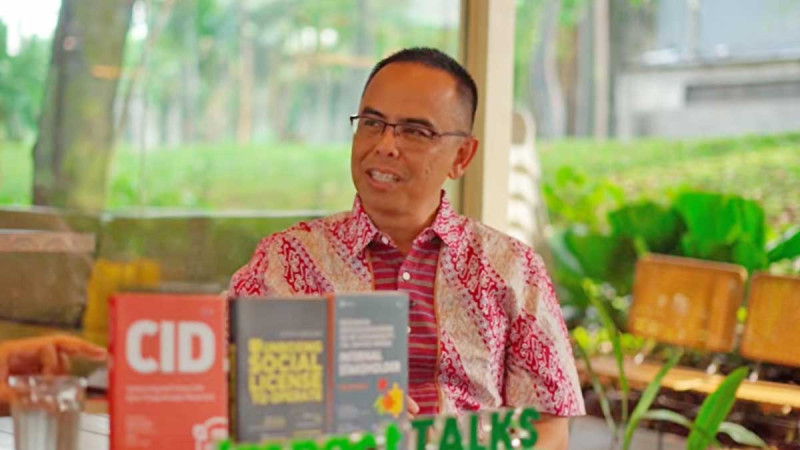
InfoSAWIT, JAKARTA – Community empowerment is no longer viewed merely as a corporate social activity but has evolved into a strategic element of sustainable business, according to CSR practitioner and author Ditto Santoso.
Speaking in the Social Impact ID Podcast, as reported by InfoSAWIT on Saturday (July 11), Santoso said companies are increasingly expected to integrate social and environmental responsibility into their core business strategies rather than treating Corporate Social Responsibility (CSR) as a stand-alone program.
He explained that the question of why companies should invest in community empowerment frequently arose after he transitioned from working with non-governmental organizations (NGOs) to the private sector. The answer, he said, became clearer after studying ISO 26000, the international guidance standard on social responsibility.
According to Santoso, ISO 26000 emphasizes that businesses are accountable for the social and environmental impacts generated by their operations, making community development an integral part of responsible corporate governance.
Rather than shifting his focus from community interests to corporate priorities, Santoso said CSR professionals serve as facilitators who balance business objectives with the needs of local communities and environmental sustainability.
"Our primary role is to find common ground between companies, communities, and stakeholders so that all parties can benefit sustainably," he said.
He noted that effective community empowerment requires far more than organizing social activities. Companies must conduct comprehensive social mapping, stakeholder mapping, and risk assessments, while also understanding regulatory frameworks, government policies, and operational risks before designing development programs.
Only after completing these assessments, he said, can businesses formulate initiatives that both support long-term corporate sustainability and deliver meaningful social benefits.
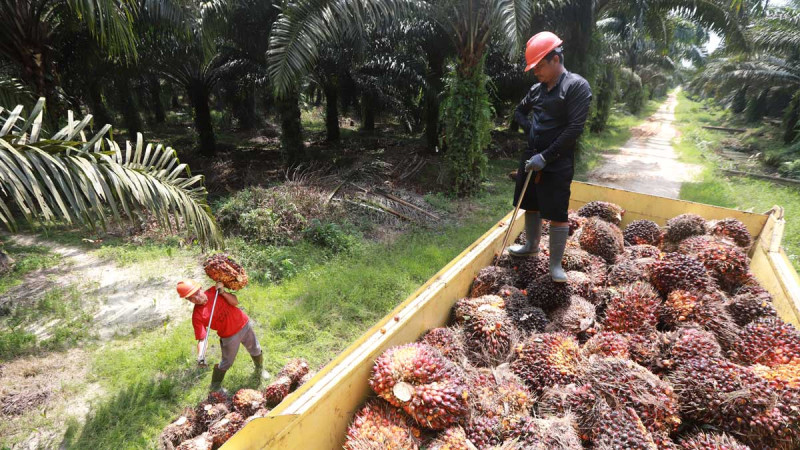
Santoso highlighted the palm oil industry as an example, noting that companies targeting international markets are increasingly required to comply with sustainability standards such as RSPO certification, Environmental Assessments, High Conservation Value (HCV) Assessments, and broader Environmental, Social, and Governance (ESG) requirements.
These frameworks, he said, serve not only as market requirements but also as valuable references for designing more effective social and environmental interventions.
A similar approach is found in Indonesia's mining industry, where regulations issued by the Ministry of Energy and Mineral Resources require companies to develop Community Development and Empowerment Programs (PPM) based on social mapping. Furthermore, Indonesia's PROPER environmental performance assessment now places greater emphasis on social innovation, impact measurement, and community engagement.
According to Santoso, these developments demonstrate that CSR has evolved into a broader sustainability agenda.
"Companies can no longer rely on ceremonial CSR programs. They are expected to integrate business, social, and environmental objectives into a single strategy aligned with ESG principles and the Sustainable Development Goals (SDGs)," he said.
He also urged CSR professionals to continuously strengthen their capabilities and remain informed about evolving global sustainability issues, as investors increasingly incorporate ESG performance into investment decisions.
Ultimately, Santoso stressed that successful community empowerment should be measured not by the number of activities conducted but by the extent to which they create shared value for companies, communities, and the environment over the long term. (T2)