InfoSAWIT, JAKARTA – PT Agrinas Palma Nusantara (Persero) recorded a strong operational performance during the 2025 fiscal year, generating an operating surplus of Rp2.86 trillion from managing Indonesia's state-owned plantation assets.
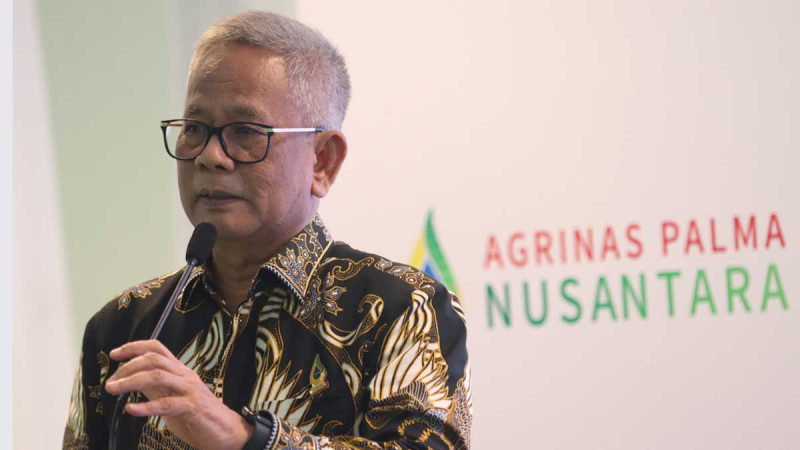
President Director Mohammad Abdul Ghani said the achievement reflects the company's ability to carry out the government's mandate of managing plantation assets professionally while creating long-term value for the country.
He explained that the operating surplus resulted from optimizing the management of state plantation assets entrusted to the company. However, he stressed that the figure should not be interpreted as corporate profit, as it represents returns generated under a government assignment scheme.
Separately, the company posted Rp27.9 billion in net profit from its construction consultancy business, demonstrating its ability to balance its public service mandate with sustainable commercial operations.
"This performance provides a solid foundation for Agrinas Palma Nusantara to further strengthen its role as a professional manager of state plantation assets while delivering sustainable value for both the nation and society," Abdul Ghani said in an official statement received by InfoSAWIT on Thursday (July 9).
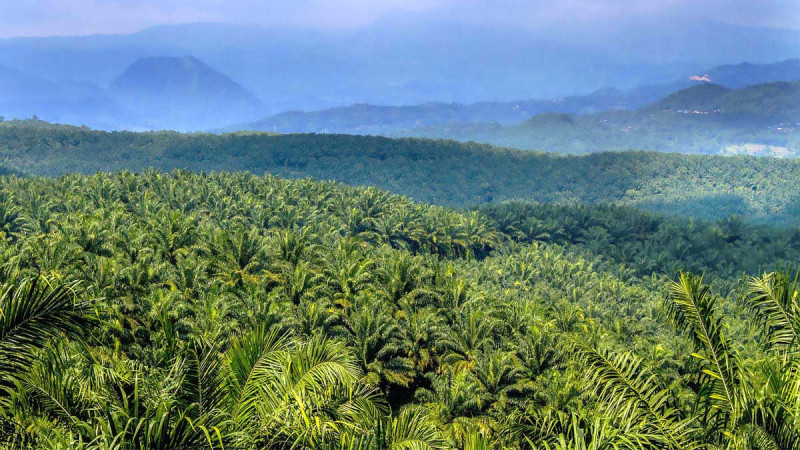
Throughout 2025, the company managed approximately 1.7 million hectares of plantation assets. Following additional government assignments, its managed area has expanded significantly to 4.11 million hectares, including around 730,000 hectares of planted oil palm estates.
The enlarged portfolio positions Agrinas Palma Nusantara among Indonesia's largest plantation asset managers and provides a strategic platform for increasing plantation productivity while optimizing the economic value of state-owned assets.
Abdul Ghani noted that the company's transformation extends beyond productivity improvements. Agrinas is also integrating Environmental, Social, and Governance (ESG) principles into its operations by promoting sustainable plantation management, transparent corporate governance, and constructive engagement with surrounding communities.
To support this transformation, the company continues strengthening land legality, improving corporate security systems, enhancing procurement and commercial governance, developing organizational capacity, and investing in human capital.
Agrinas is also expanding collaboration with smallholders, cooperatives, and local communities while promoting Good Agricultural Practices (GAP) and accelerating downstream development of priority agricultural commodities to generate greater value across Indonesia's plantation sector.
These initiatives underscore the company's commitment to becoming a strategic partner in strengthening Indonesia's plantation industry while supporting sustainable economic development. (T1)