InfoSAWIT, JAKARTA – Strengthening farmer institutions has become a critical factor in enabling independent smallholders to access financing, maintain sustainability certification, and attract younger generations to the palm oil sector.
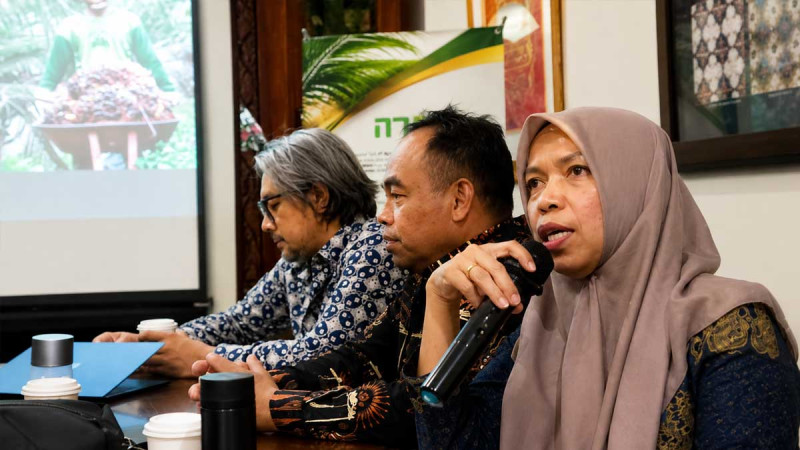
The message was delivered by Rukaiyah Rafik, Board of Governors of the Roundtable on Sustainable Palm Oil (RSPO) and Head of the Secretariat of the Indonesian Sustainable Palm Oil Farmers Forum (FORTASBI), during the RSPO Media Brunch attended by InfoSAWIT on Friday (12/6/2026).
According to Rukaiyah, many support programs for independent oil palm smallholders have focused primarily on fulfilling administrative requirements for financing or certification. However, she emphasized that the real priority should be building strong and resilient farmer organizations.
"Farmer groups or cooperatives should not exist solely to obtain loans. They must serve as platforms to strengthen farmers' capacities, enabling them to grow independently and gain access to various development programs," she said.
Rukaiyah noted that the greatest challenge in establishing farmer institutions lies not in forming organizations, but in fostering trust among members. Unlike other agricultural communities, oil palm farmers often manage their plantations independently, making collective action more difficult.
She added that sustainability premiums generated through certification schemes provide economic benefits, but are not necessarily the primary motivation for farmers to participate.
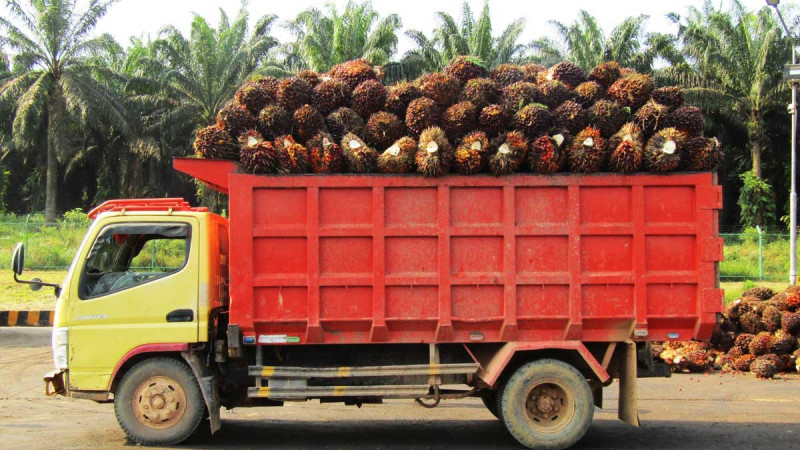
"Farmers tend to prioritize immediate and tangible benefits. What matters most to them is ensuring their fresh fruit bunches are sold quickly and payments are made in cash," she explained.
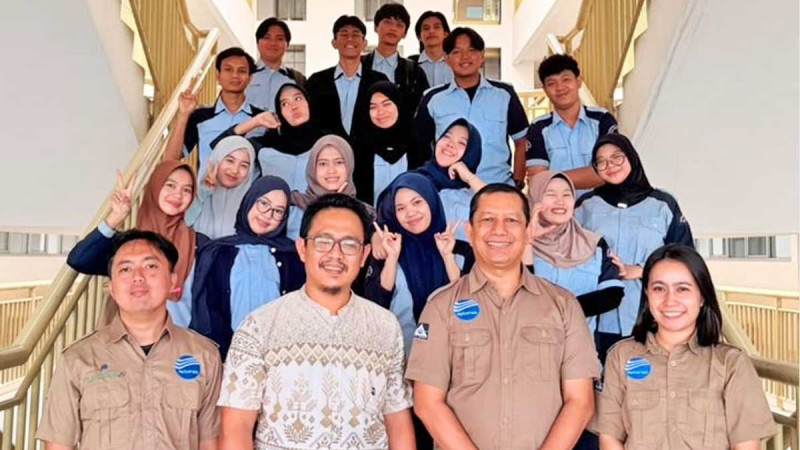
Beyond institutional strengthening, Rukaiyah highlighted the importance of generational renewal. Declining interest among young people to continue family plantation businesses could threaten the long-term sustainability of Indonesia's palm oil sector.
"If this sector cannot improve farmers' livelihoods, it will be difficult to attract the younger generation to continue in oil palm cultivation," she said.
FORTASBI believes that stronger institutions, continuous capacity building, and long-term mentoring will enable more smallholders to become competitive players in creating an inclusive and sustainable palm oil industry.
"The most important thing is ensuring that farmers continue learning, growing together, and experiencing real benefits from every improvement effort," Rukaiyah concluded. (T2)