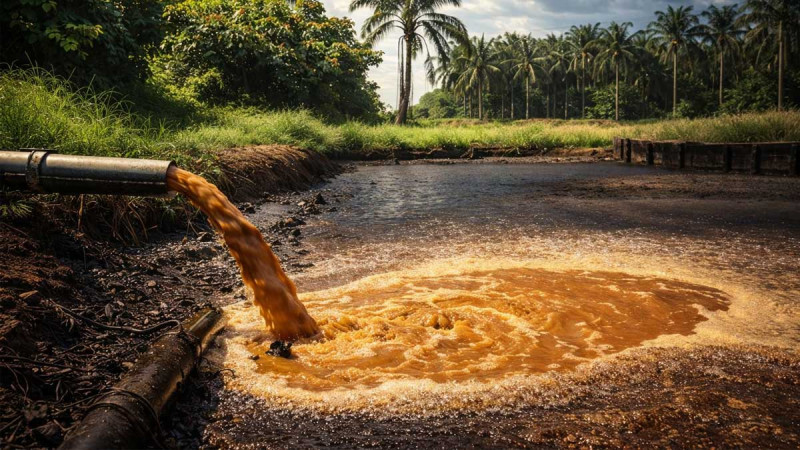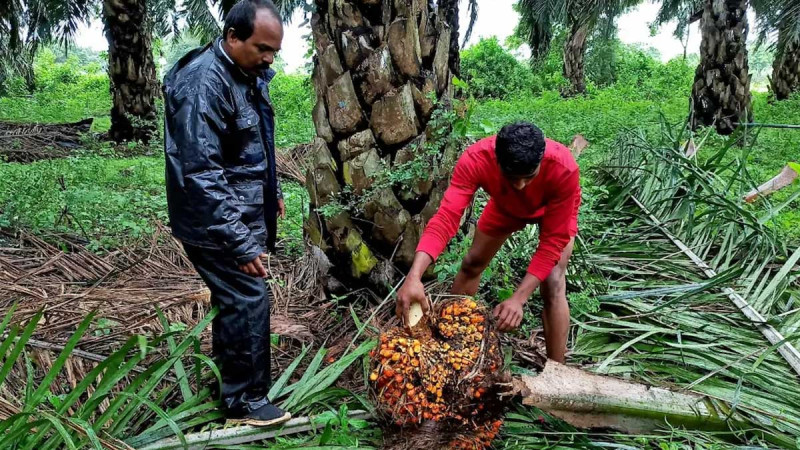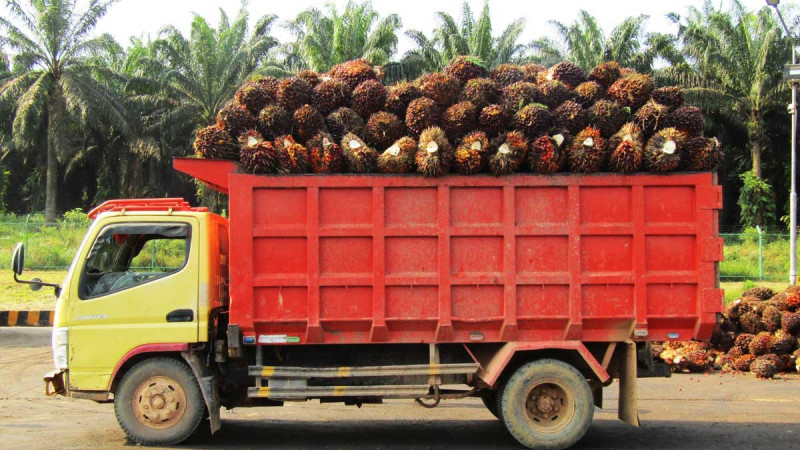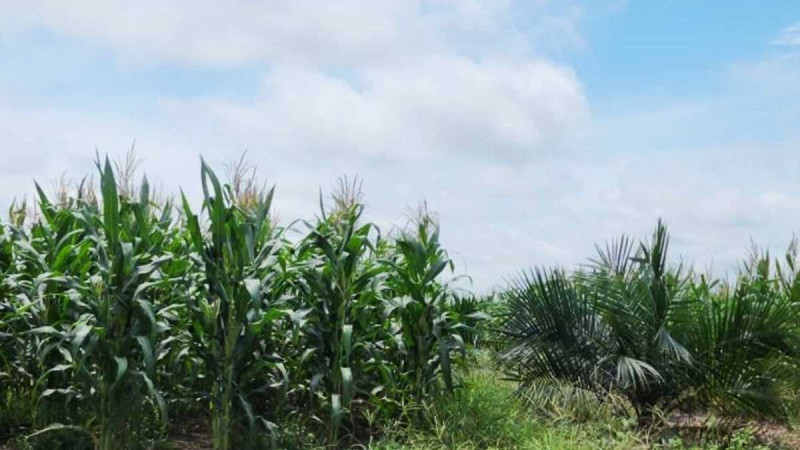
InfoSAWIT, JAKARTA – Across many regions of Indonesia, soils once regarded as fertile are gradually losing their vitality. Nutrient levels are declining, erosion is increasing, and dependence on chemical fertilizers continues to grow. These concerns have fueled interest in regenerative agriculture, an approach that places soil health at the center of sustainable food production. In Seruyan, Central Kalimantan, oil palm smallholders have begun experimenting with practices aimed at gradually restoring soil quality.
In a country often perceived as naturally fertile, the reality on the ground tells a different story. Indonesia may have vast land resources, abundant rainfall, and year-round vegetation growth, but beneath that image, many agricultural landscapes are quietly losing their productivity.
Dr. Heru Bagus Pulunggono, a lecturer at the Department of Soil Science and Land Resources, Faculty of Agriculture, IPB University, has observed this trend closely. He begins with a fundamental aspect of Indonesia’s agricultural challenge: the basic characteristics of its soils.
According to Heru, most Indonesian soils have moderate to deep soil profiles but are highly acidic. Such conditions often result in low levels of essential plant nutrients, including nitrogen, phosphorus, and potassium. High rainfall—long considered an advantage for tropical agriculture—can actually accelerate nutrient leaching, washing valuable minerals out of the soil and leaving it increasingly nutrient-deficient.
Under these conditions, another challenge emerges: erosion. In many agricultural areas, particularly those cultivated intensively, fertile topsoil is gradually stripped away by rainfall. As the soil loses its natural structure, productivity declines, often without farmers realizing the long-term consequences because planting activities continue as usual from season to season.
“If this continues unchecked, land quality will decline year after year,” Heru warned.
The Productivity Paradox
For decades, modern agriculture has been driven by a single objective: maximizing productivity. This paradigm has encouraged conventional farming practices that rely heavily on chemical fertilizers, intensive soil cultivation, and high-yield crop varieties designed to respond to substantial external inputs.
In the short term, the approach has undeniably succeeded in boosting crop yields. However, growing concerns over soil degradation are prompting researchers and farmers alike to reconsider whether productivity gains can be sustained without restoring the ecological foundations that support agricultural production. (T2)
Read the full feature in the April 2026 edition of InfoSAWIT Magazine.