
InfoSAWIT, JAKARTA – Rapid technological advancement is reshaping Indonesia’s palm oil industry, creating both challenges and opportunities for its workforce. From digitalisation and the Internet of Things (IoT) to artificial intelligence (AI), drones, and automation, technology is no longer merely a supporting tool but has become an essential standard in plantation and mill operations.
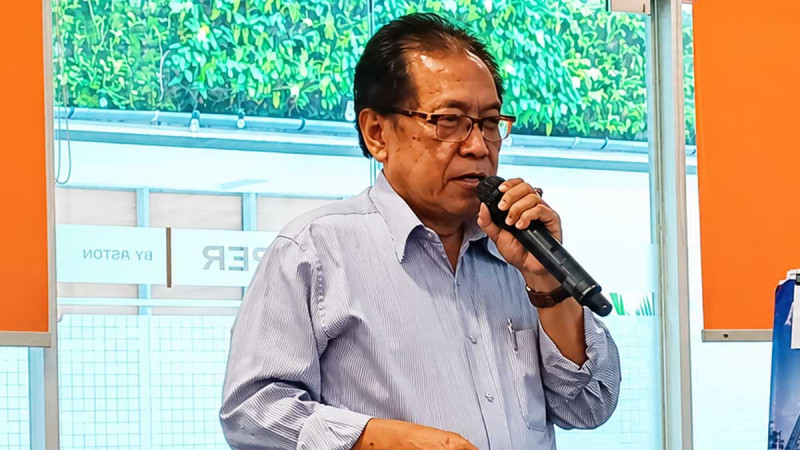
This message was highlighted by R Azis Hidayat, Head of Plantation Affairs at the Indonesian Palm Oil Association (GAPKI), during a press conference for the 4th Technology and Talent Palm Oil Mill Indonesia (TPOMI) 2026 attended by InfoSAWIT.
Azis stressed that both companies and workers who fail to adapt to technological changes risk being left behind in an increasingly competitive industry landscape.
“The palm oil industry competes in the global market. Therefore, human resources must possess strong competencies to compete with workers from other countries,” Azis said.
According to him, the industry today places greater value on practical competence than theoretical knowledge alone. Problem-solving abilities, hands-on experience, and adaptability have become key indicators in assessing workforce quality.
Azis noted that the sector is facing intensifying international competition, making the demand for highly skilled and competitive professionals increasingly urgent.
He also pointed to the challenges confronting young people entering the labour market, emphasising that employers seek more than academic qualifications.
“The industry is looking for people with skills, attitude, and adaptability,” he explained.
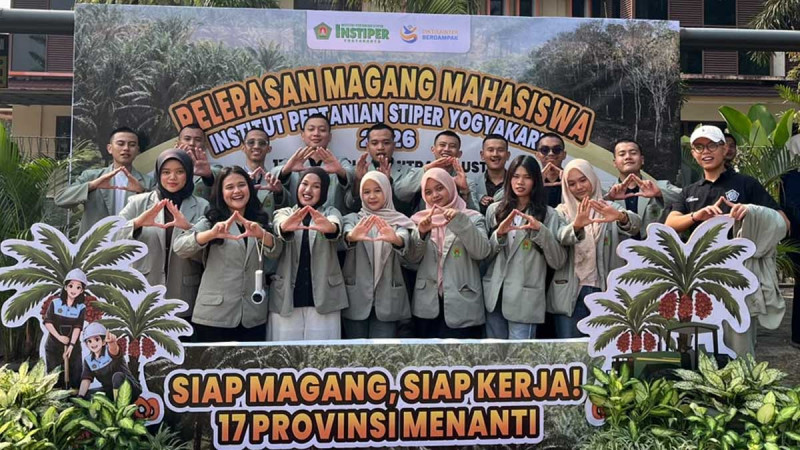
Azis further highlighted the continuing gap between educational institutions and industrial needs. Educational curricula, he said, do not always align with real-world requirements, while practical exposure and industrial experience remain limited.
As a result, many graduates are considered insufficiently prepared for employment due to limited hands-on experience, weak soft skills, and work discipline that still requires improvement.
He explained that university achievements such as grades and diplomas often do not fully reflect the competencies required by industry, which prioritises practical experience, collaboration, problem-solving, and the ability to adapt.
For that reason, Azis encouraged younger generations to continuously prepare themselves for the ongoing transformation of Indonesia’s palm oil sector.
“Keep learning throughout life, master technology and skills, build character and ethics, and be ready to adapt to change,” he asserted.
Azis believes the readiness of young professionals to compete, innovate, and adapt will determine the future competitiveness and sustainability of Indonesia’s palm oil industry. (T2)