InfoSAWIT, JAKARTA – Indonesia’s Ministry of Industry (Kemenperin) is encouraging the adoption of dry process technology in the palm oil industry, citing its potential to improve production efficiency while significantly reducing environmental impact compared to conventional wet process systems.
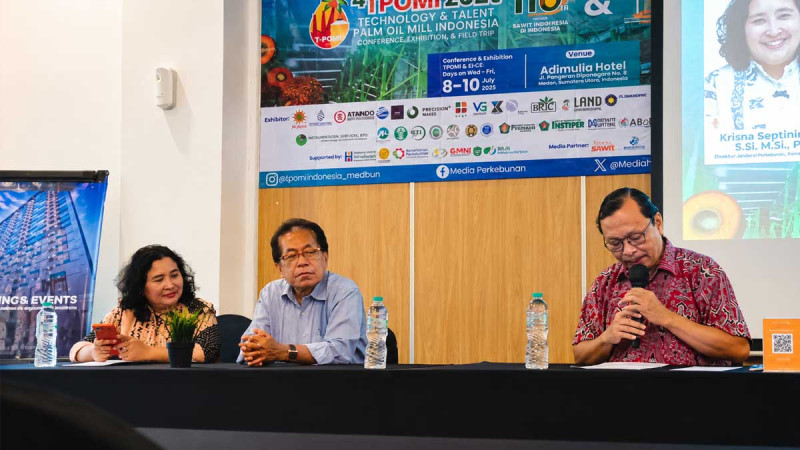
The initiative was highlighted by Krisna Septiningrum, Director of Oleochemical, Palm Oil, and Feed Industries at the Ministry of Industry, during the Press Conference of the 4th Technology and Talent Palm Oil Mill Indonesia (TPOMI) 2026 attended by InfoSAWIT on Tuesday (2/6/2026).
According to Krisna, advances in processing technology now make it possible to preserve more of palm oil’s natural nutritional content, creating additional value for downstream products.
“With existing technology, natural vitamins such as vitamins A and E can still be retained, enhancing the value of the final product,” Krisna explained.
She emphasized that selecting the right processing technology has become increasingly critical to strengthening the competitiveness of Indonesia’s palm oil industry.
Beyond product quality considerations, industrial operators must also assess processing efficiency and ensure technologies align with desired product characteristics.
Krisna noted that implementing more advanced technologies should begin with careful identification of industrial needs and comprehensive evaluations of existing operational systems to maximize long-term benefits.
She then compared conventional wet process methods with emerging dry process technologies in palm oil processing.
According to her, dry process systems offer clear advantages not only in efficiency but also in environmental sustainability.
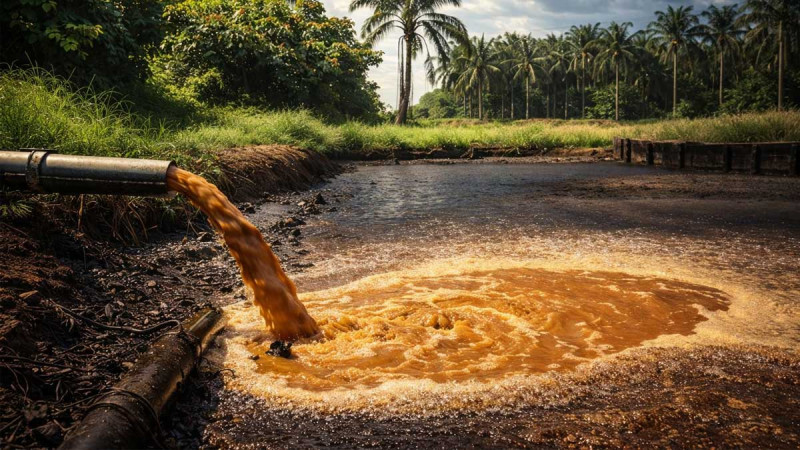
“Compared to wet process technology, dry process is more efficient and can reduce emissions by up to 75 percent because it does not generate liquid waste,” she said.
The technology’s environmental advantage is particularly relevant as global markets increasingly prioritize low-emission and sustainable industrial production standards.
Krisna noted that the technology remains in the pilot project phase, with development and testing currently underway in Sukabumi and Sumatra.
Investment requirements are estimated at around Rp13 billion, reflecting both the scale and strategic importance of the innovation.
The Ministry believes the adoption of such technologies could help Indonesia’s palm oil industry improve production efficiency while strengthening its competitiveness in international markets.
Krisna added that future technological development should continue to focus on innovations capable of simultaneously enhancing product quality and supporting the long-term growth of Indonesia’s palm oil sector.
As sustainability standards become increasingly central to global trade, technological modernization may prove essential in securing Indonesia’s position within the increasingly competitive international palm oil market. (T2)