InfoSAWIT, JAKARTA – Indonesia is preparing to launch a sweeping reform of its natural resource export governance system after President Prabowo Subianto officially announced a new government regulation aimed at tightening oversight of strategic commodity exports, increasing state revenues, and preventing foreign exchange leakages.
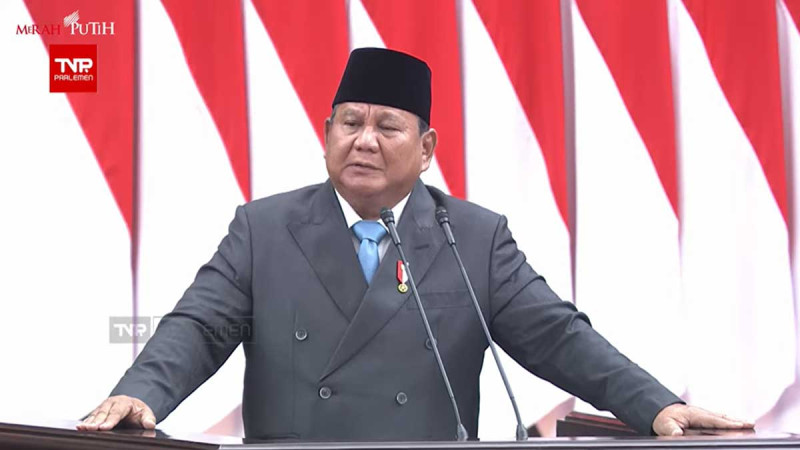
The policy was delivered directly by President Prabowo during the 19th Plenary Session of the House of Representatives (DPR RI) on the presentation of Indonesia’s 2027 Macroeconomic Framework and Fiscal Policy Guidelines on Wednesday (20/5/2026).
Under the initial phase of implementation, the government will focus on restructuring export trade mechanisms for three major commodities: crude palm oil (CPO), coal, and ferrous alloy products.
“The Government of the Republic of Indonesia under my leadership is issuing a government regulation concerning the export governance of natural resource commodities,” Prabowo stated, as monitored by InfoSAWIT.
According to the President, the regulation represents a strategic step to strengthen state control over natural resource trade, which has long been vulnerable to export data manipulation, under invoicing, transfer pricing practices, and capital flight abroad.
Exports to Be Controlled Through Appointed State-Owned Enterprises
Under the new scheme being prepared by the government, all exports of strategic commodities will be conducted through state-owned enterprises (SOEs) appointed as single exporters.
These SOEs will function as export marketing agencies while ensuring that all commodity trade transactions are recorded transparently and remain under tighter government supervision.
“All sales of our natural resource products, starting with palm oil, coal, and ferrous alloys, must be carried out through SOEs appointed by the Government of the Republic of Indonesia as single exporters,” Prabowo said.
The President stressed that the policy is not intended to take over private sector business activities, but rather to strengthen the national commodity trade monitoring system and improve accountability in export transactions.
The government believes the mechanism is necessary to prevent export underpayment practices and pricing manipulation that have allegedly caused significant losses in state revenues for years.
Palm Oil Becomes Primary Focus
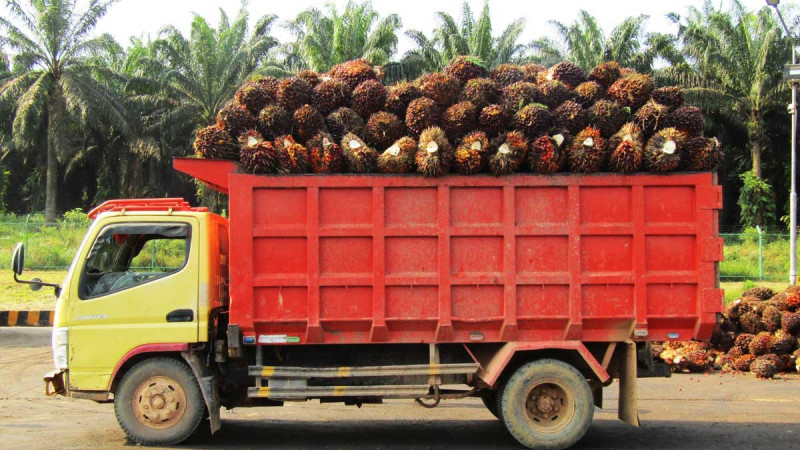
During his speech, Prabowo specifically highlighted the palm oil sector as one of the commodities most vulnerable to under invoicing practices and inconsistencies in export reporting volumes.
Indonesia remains the world’s largest palm oil producer, with the sector contributing substantial foreign exchange earnings to the national economy. Yet, according to the President, global palm oil reference prices are still largely determined outside Indonesia.
“I do not want our palm oil prices to be determined by other nations. We must determine our own prices,” Prabowo emphasized.
The government hopes the new regulation will strengthen Indonesia’s bargaining position in global commodity trade while ensuring greater added value from strategic commodities remains within the domestic economy.
Potential to Reduce Foreign Exchange Leakages
Prabowo estimated that losses resulting from illegal practices and manipulation in natural resource trade could reach as much as US$150 billion annually.
For that reason, the government views export governance reform as a crucial step toward strengthening Indonesia’s economic sovereignty and ensuring the country’s natural wealth is utilized more effectively for public prosperity.
The President also pointed out that similar approaches have already been implemented in several major resource-producing countries, including Saudi Arabia, Russia, Malaysia, and Vietnam.
“We must not be naive. We have to learn from countries that have successfully managed their natural resources for the prosperity of their people,” Prabowo concluded. (T2)