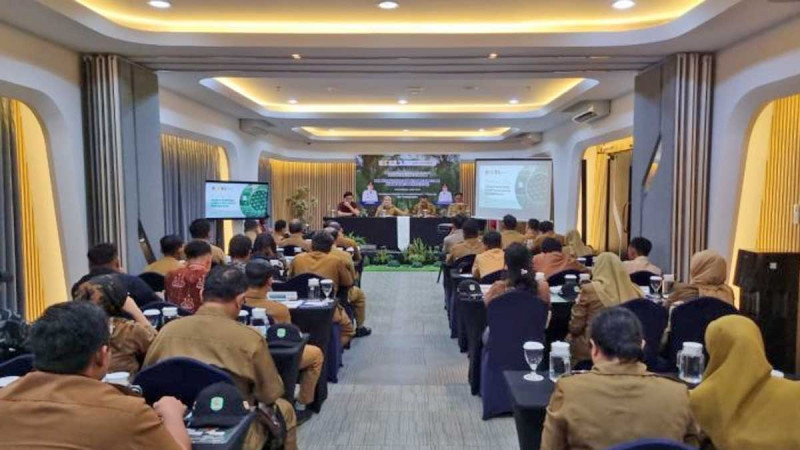
InfoSAWIT, BANJARBARU – The Plantation and Livestock Agency of South Kalimantan Province (Disbunnak Kalsel) continues to strengthen plantation sector governance by enhancing human resource capacity.
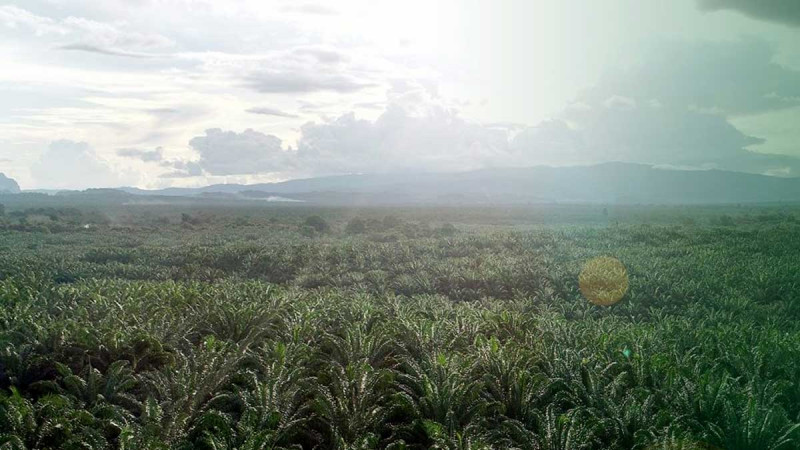
One strategic step is the implementation of Technical Guidance (Bimtek) on Plantation Data Collection and Land Mapping for 2026, focusing on improving the accuracy of spatial data for oil palm plantations.
According to the agency’s official statement on Wednesday (April 22, 2026), the program addresses the growing need for accurate plantation data amid increasing global and national regulatory demands related to sustainability.
Head of the agency, Suparmi, emphasized that oil palm is a strategic national commodity and a key economic driver in South Kalimantan.
“Oil palm is a strategic commodity that supports the regional economy. With evolving global and national regulations, particularly on sustainability and legality, accurate spatial data is increasingly essential,” she said.
She stressed that optimal management of the plantation sector cannot be achieved without valid and precise data.
“Future development challenges cannot be addressed through assumptions. We need precise spatial maps and reliable statistical data as a basis for policymaking,” she asserted.
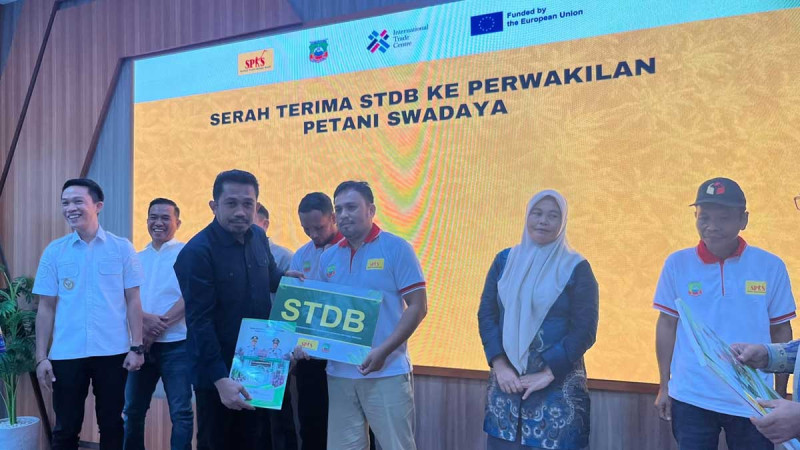
Accurate data is also crucial for supporting key programs such as smallholder certification under the Indonesian Sustainable Palm Oil (ISPO) scheme and optimizing revenue-sharing funds for plantation infrastructure.
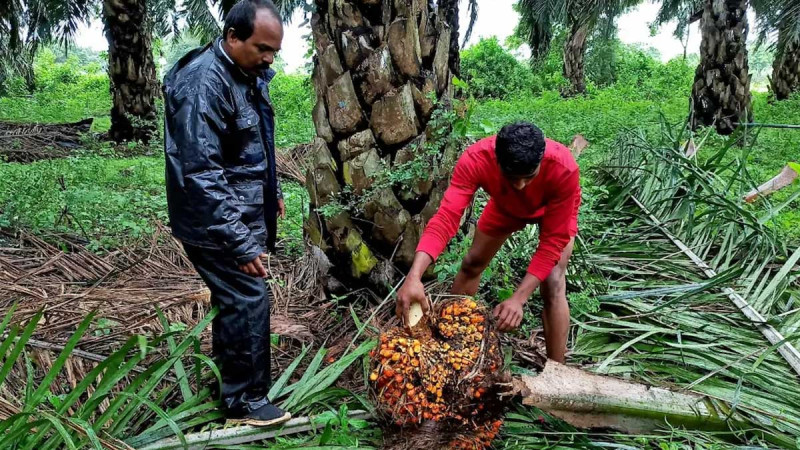
Field officers were reminded of their vital role in data collection, including precise coordinate mapping, land boundary verification, and the use of digital applications.
“We must ensure there is no overlapping data or unmapped land. Every hectare of oil palm plantation in South Kalimantan must be accurately recorded,” she emphasized. (T2)