InfoSAWIT, BANGKOK – The Thai government has officially tightened controls on crude palm oil (CPO) exports to maintain a balance between domestic supply and rising energy demand.
Reported by InfoSAWIT from Bernama, on Thursday (April 9, 2026), the policy took effect on April 7 and will remain in place for one year. Under the new regulation, CPO exports require prior approval from relevant authorities.
The move comes amid surging biodiesel demand driven by geopolitical tensions in the Middle East, which have also pushed global oil prices higher.
Thailand’s Ministry of Commerce stated that rising crude oil prices have prompted the energy sector to prepare for higher biodiesel blending mandates, increasing domestic demand for palm oil.
Authorities believe the export control measure is essential to ensure sufficient domestic supply across multiple sectors, including household consumption, industry, and energy.
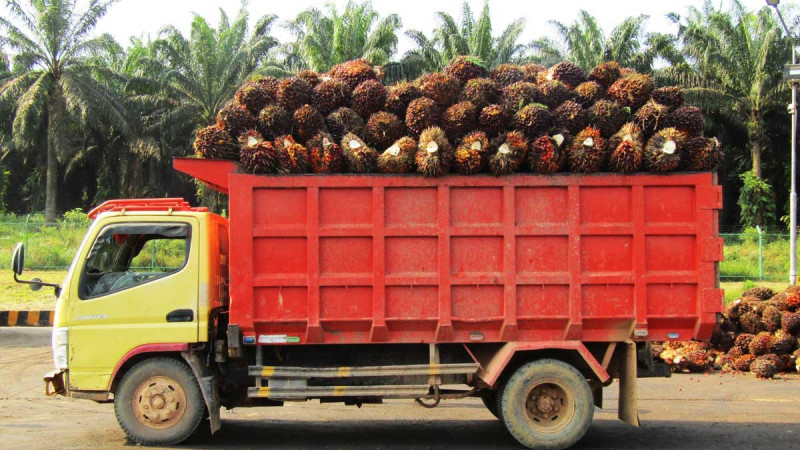
As the world’s third-largest palm oil producer, Thailand is expected to produce around 3.94 million tons of CPO in 2026. The government aims to stabilize domestic supply and prices while mitigating pressure from global demand fluctuations. (T2)