InfoSAWIT, JAKARTA – Indonesia’s Meteorology, Climatology, and Geophysics Agency (BMKG) has officially released its 2026 Dry Season Prediction report in March 2026, providing a key reference for various sectors to anticipate more extreme climate conditions than normal.
As reported by InfoSAWIT from BMKG on Saturday (March 28, 2026), the 2026 dry season is expected to arrive earlier, be drier, and last longer across most regions of Indonesia. This condition is influenced by global and regional climate dynamics, although the ENSO phenomenon is currently in a neutral phase.
“A total of 64.5% of Indonesia’s regions are predicted to experience below-normal dry season conditions, meaning drier than usual, while 57.2% of regions are expected to experience longer dry season duration,” BMKG stated in the report.
BMKG also noted that the onset of the dry season is expected to come earlier in 325 Seasonal Zones (ZOM), or around 46.5% of Indonesia.
“The peak of the dry season is predicted to occur in August 2026 across approximately 61.4% of the country, with April to June marking the gradual transition into the dry season,” BMKG added.
Spatially, the dry season is expected to begin in Nusa Tenggara, then expand to Java, Bali, Kalimantan, Sulawesi, and Sumatra. The period from July to September 2026 is projected to be the most critical phase, particularly regarding water availability and increased risks of forest and land fires.
BMKG explained that the 2026 dry season is influenced by several key factors, including the end of a weak La Niña in February 2026 and the current neutral ENSO conditions.
“The ENSO index indicates neutral conditions and is predicted to persist until mid-2026, meaning there will be no significant additional rainfall typically associated with La Niña,” BMKG stated.
Additionally, the Australian Monsoon, which became active in March 2026, is a dominant factor driving dry season formation in southern Indonesia, including Java, Bali, and Nusa Tenggara.
On the other hand, relatively warm sea surface temperatures in Indonesian waters may still support cloud formation in some areas, although not strong enough to offset the dominance of the dry season.
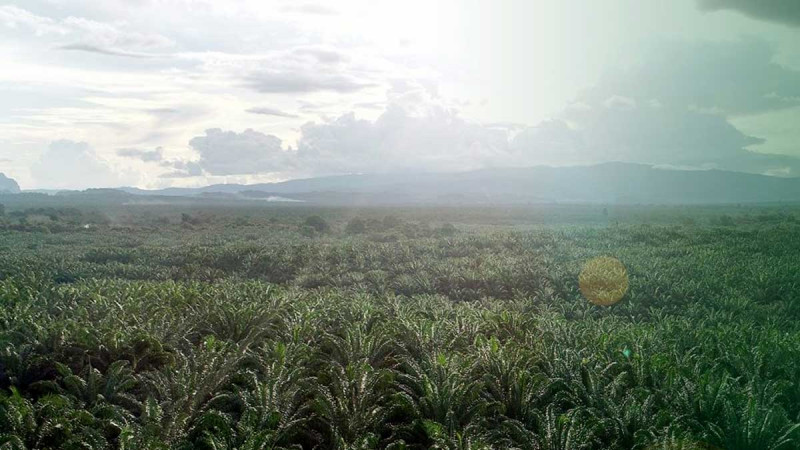
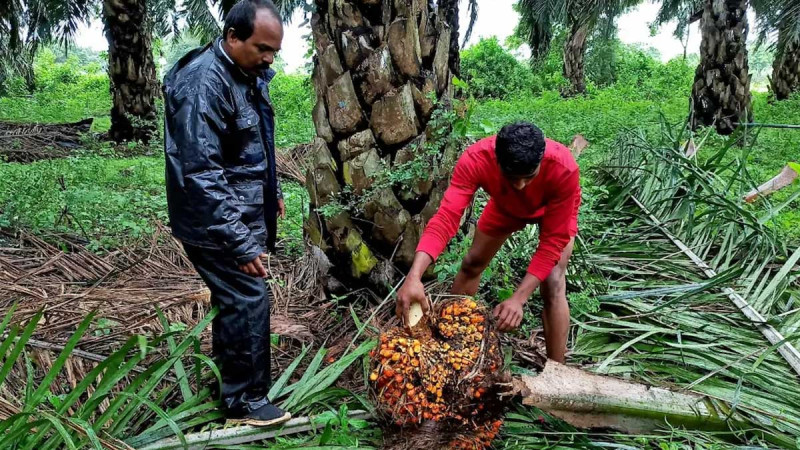
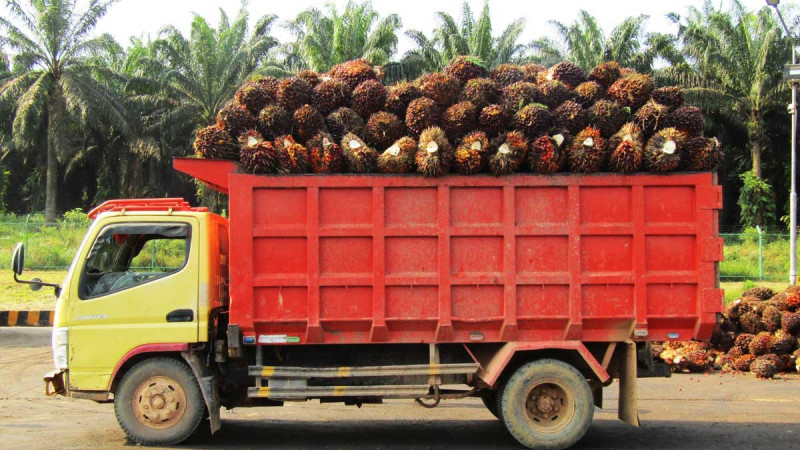
For the plantation sector, particularly palm oil, these conditions pose serious concerns. Key palm oil producing regions such as Riau, North Sumatra, and Central Kalimantan are expected to enter the dry season between May and June 2026, with longer-than-normal duration.
“The main threats to watch out for are increased risks of land fires and disruptions to growth and production due to water shortages,” BMKG noted.
BMKG also issued cross-sector recommendations, including adjusting planting schedules in agriculture, optimizing water management, and strengthening early fire detection systems in forestry.
With the potential for a more extreme dry season in 2026, BMKG emphasized the importance of preparedness across all sectors in developing climate-based adaptation strategies.
“This prediction is expected to serve as a basis for planning across sectors to minimize the negative impacts of the dry season,” BMKG stressed.
Coordination among government, businesses, and communities is seen as key to facing the challenges of the potentially harsher 2026 dry season. (T2)