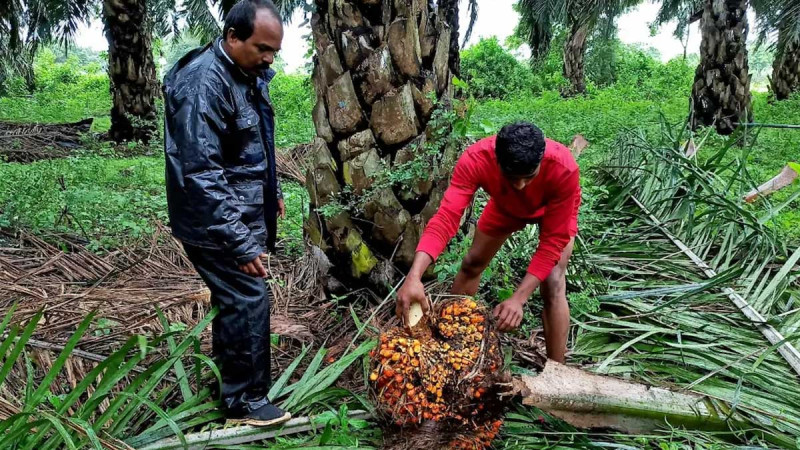
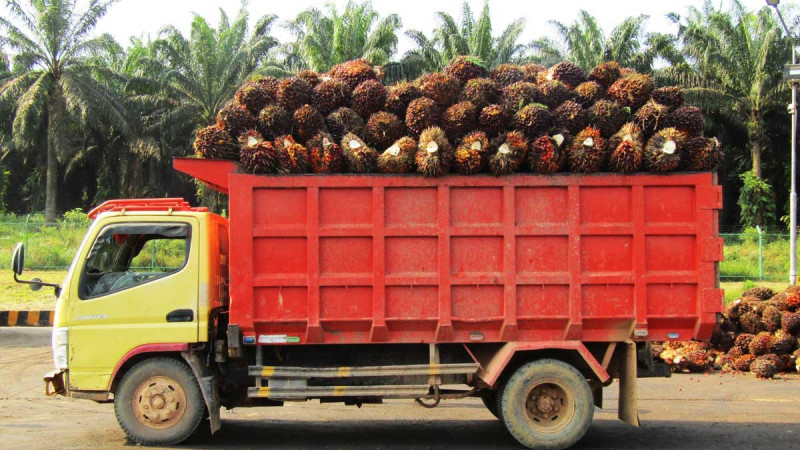
InfoSAWIT, JAKARTA – Efforts to enhance Indonesia’s oil palm productivity through natural pollinating insects have entered a critical phase. Following exploration activities in Tanzania, researchers are now awaiting approval for limited field release trials.
Researcher at the Indonesian Oil Palm Research Institute (PPKS), Agus Eko Prasetyo, explained that quarantine and testing processes have been conducted over six to eight months and are expected to conclude by late November 2025.
“Once all data are validated, the results will be submitted to the Biological Agents Commission for feasibility assessment. If deemed safe, the Ministry of Agriculture will issue a release permit for limited field trials,” he told InfoSAWIT.
Adaptation Trials and National Deployment Target
Agus added that once approval is granted, field adaptation tests will be carried out across multiple plantation sites.
“After obtaining the permit, we will immediately conduct field adaptation trials. We hope the population can develop more rapidly in natural habitats,” he said.
In the initial phase, PPKS targets breeding around 800,000 pollinator beetles for distribution to partner plantations in early 2026.
“If successful, this could mark a major leap in increasing national palm oil productivity without relying on artificial inputs,” he added.
Genetic Enhancement and Pollination Efficiency
A key focus is the species Elaeidobius kamerunicus, which was first introduced to Indonesia in the 1980s. Through genetic reintroduction, researchers aim to improve the genetic diversity of local populations.
Another species, Elaeidobius subvittatus, is smaller in size and considered more effective at reaching deeper parts of oil palm female flowers, potentially improving pollination efficiency—especially under extreme weather conditions such as morning rainfall.
The introduction of these three pollinator beetle species presents significant opportunities to address declining productivity caused by reduced natural pollinator populations.
The successful introduction of E. kamerunicus around 25 years ago serves as an important reference, demonstrating how ecological innovation can deliver substantial impact to the palm oil industry.
With an ecosystem-based approach, this initiative is expected to bring a “small revolution” in oil palm pollination systems while strengthening long-term production sustainability. (T2)
Source: InfoSAWIT Magazine, November 2025 Edition