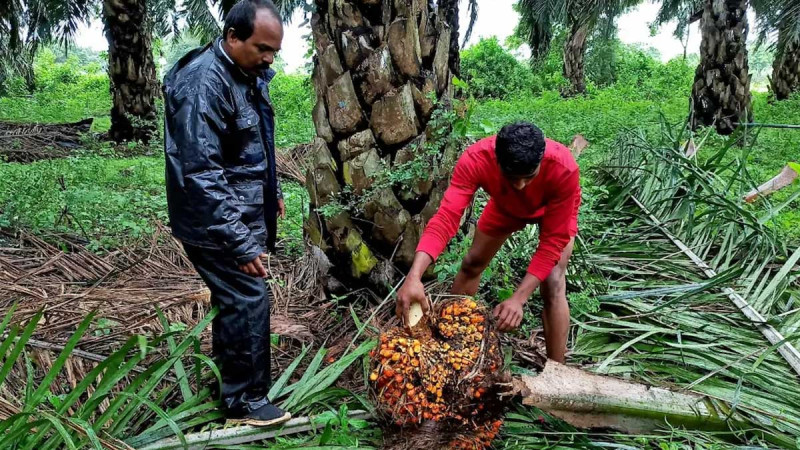
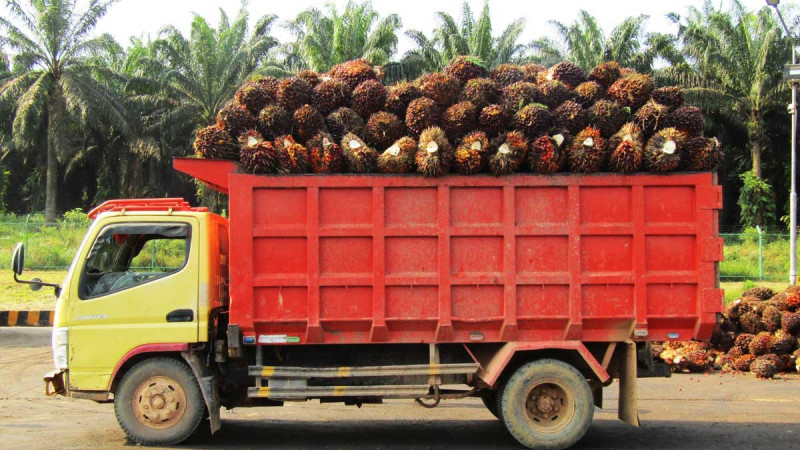
InfoSAWIT, BOGOR – Efforts to enhance the productivity of Indonesia’s oil palm plantations continue through various strategic initiatives, including the exploration of natural pollinating insects from abroad. Since early 2025, stakeholders in the palm oil sector have conducted research in Tanzania, a country considered to have agroclimatic conditions similar to Indonesia.
Researcher from the Indonesian Oil Palm Research Institute (PPKS), Agus Eko Prasetyo, revealed that the exploration was carried out comprehensively across diverse environments.
“The exploration covered five regions, three districts, and five sampling sites, ranging from low rainfall areas to regions receiving over 2,000 mm annually, and from lowlands to elevations above 1,700 meters,” he told InfoSAWIT.
The study was conducted over three months, from January 5 to April 3, 2025.
Diversity of Pollinator Beetles Identified
The findings revealed a high diversity of natural oil palm pollinators, particularly from the genus Elaeidobius. Morphological analysis identified seven species, with three dominant ones: Elaeidobius subvittatus, Elaeidobius bilineatus, and Elaeidobius plagiatus.
Other identified species include Elaeidobius kamerunicus, Elaeidobius singularis, Elaeidobius spatulifer, and Elaeidobius piliventris.
Notably, E. subvittatus was recorded as the smallest species, while E. kamerunicus—already widely known in Indonesia—was the largest among those found.
High Effectiveness of Natural Pollination
Agus explained that natural pollination success rates in the exploration sites were remarkably high, as reflected in fruit set levels exceeding 73%.
“The average fruit set from natural pollination at the exploration sites reached over 73%, indicating very high effectiveness of pollinator beetles in Tanzania,” he said.
The activity of Elaeidobius beetles was observed throughout the day, with peak intensity occurring on male flowers in anthesis and receptive female flowers, particularly in the morning and late afternoon.
These findings present significant opportunities to enhance national palm oil productivity through optimization of natural pollinators. Given the similar agroclimatic conditions, Tanzanian species are considered to have strong potential to adapt in Indonesia, although further studies and strict quarantine procedures are required. (T2)
Source: InfoSAWIT Magazine, November 2025 Edition