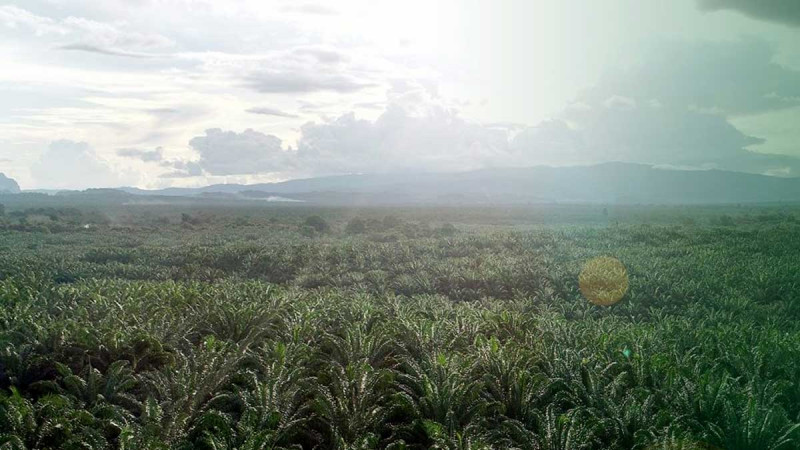
InfoSAWIT, JAKARTA – The discourse surrounding the “big picture” of Indonesia’s palm oil industry extends beyond policy frameworks and national strategies. In a recent discussion series, the perspective shifted toward on-the-ground realities, as Kaoem Telapak researcher Ziadatunnisa Latifa highlighted field conditions—from waterlogged plantations and oil palm planted along riverbanks to unresolved plasma conflicts.
Moving beyond normative policy approaches, Ziadatunnisa emphasized the critical role of civil society in overseeing industry practices.
“As stipulated in Minister of Environment and Forestry Regulation No. 8 of 2021, there are legal foundations that justify our right to conduct monitoring,” she stated.
Her remarks underline that sustainability certification must go beyond formal documentation and remain open to public scrutiny, criticism, and continuous improvement.
Certification Credibility Under Scrutiny
Ziadatunnisa pointed out that various new policies, including mandatory industrial compliance under regulations such as Ministry of Industry Regulation No. 38/2025, will ultimately be tested on one fundamental issue: certification credibility.
According to her, without independent monitoring mechanisms, certification risks becoming merely a tool for legitimacy without real impact on field practices.
“The question is always the same: who ensures that the certification is truly credible?” she stressed during the discussion.
Field Findings Reveal Recurring Patterns
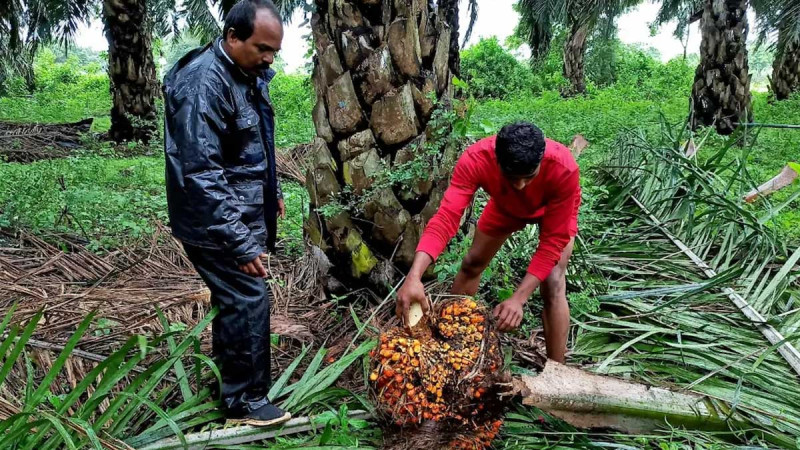
Ziadatunnisa also presented monitoring results from Kaoem Telapak across multiple regions, including Riau, North Kalimantan, Central Kalimantan, Southeast Sulawesi, Halmahera, and Southwest Papua.
The findings indicate that governance issues in the palm oil sector are not isolated incidents but recurring patterns across regions.
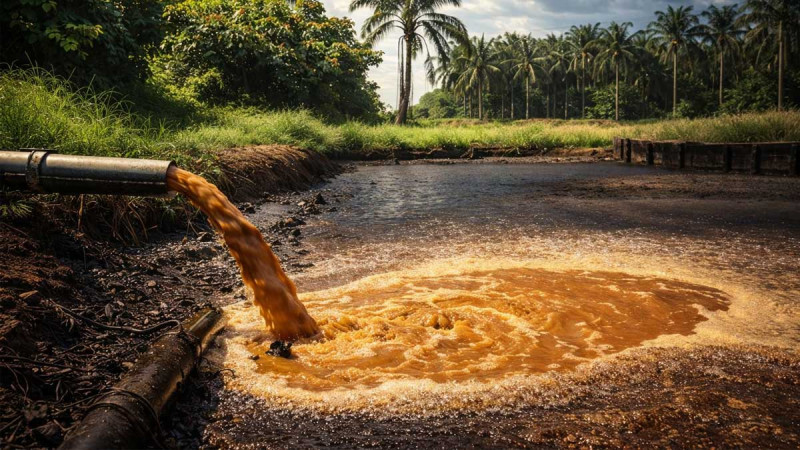
Common issues identified include oil palm planting along riverbanks, unresolved plasma conflicts between companies and communities, problematic licensing, and incomplete implementation of Free, Prior, and Informed Consent (FPIC).
Environmental pollution and deforestation also remain key concerns in monitoring the sector. (T2)