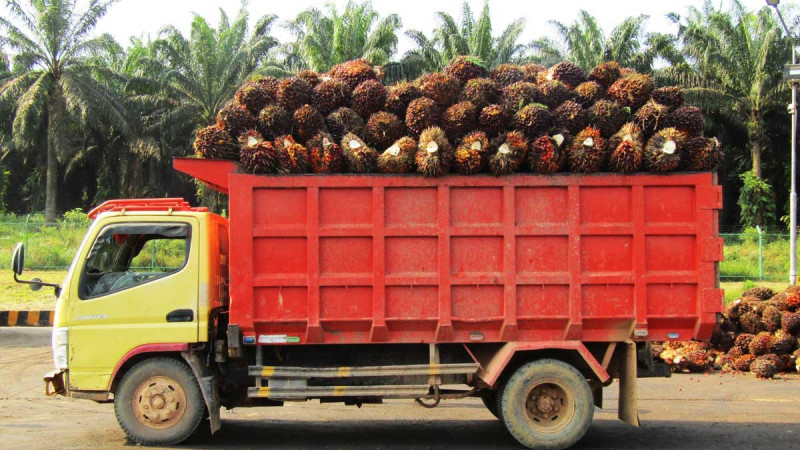
InfoSAWIT, JAKARTA – The global vegetable oil market is moving on a fragile balance. The world’s dependence on palm oil exports from Indonesia and Malaysia continues to increase just as production growth begins to slow.
At the same time, biodiesel policies and the global energy transition are sustaining demand. Analysts now see a common direction: vegetable oil prices are likely to rise in 2026, with Indonesia playing a key role in the next price rally.
The global vegetable oil market is entering an increasingly complex phase. Dependence on exports from Southeast Asia is growing, while palm oil production growth is showing signs of slowing. This condition is expected to push global vegetable oil prices upward in 2026.
Thomas Mielke, Executive Director of ISTA Mielke GmbH (Oil World), said Indonesia and Malaysia remain the backbone of the global vegetable oil trade.
Over the past 12 months, both countries accounted for about 46% of total global oil and fats exports. Although this share has declined from around 50% several years ago, global consumers remain heavily dependent on supply from Southeast Asia.
“If palm oil exports continue to decline, meeting global import demand will become increasingly difficult. The impact will immediately be reflected in higher global prices,” Mielke said.
According to him, without significant additional supply from South America, North America, Russia, Ukraine, or the Black Sea region, the market will face structural pressure.
Oil World estimates that the downward trend in palm oil exports could continue into 2026, in line with slowing growth in global oil and fats production. (T2)
Source: InfoSAWIT Magazine January 2026 Edition