InfoSAWIT, JAKARTA – Indonesia recorded a trade surplus of US$0.95 billion in January 2026, extending the country’s positive trade balance streak to 69 consecutive months since May 2020.
The surplus was mainly supported by the non-oil and gas sector, which posted a surplus of US$3.23 billion, while the oil and gas sector recorded a deficit of US$2.27 billion.
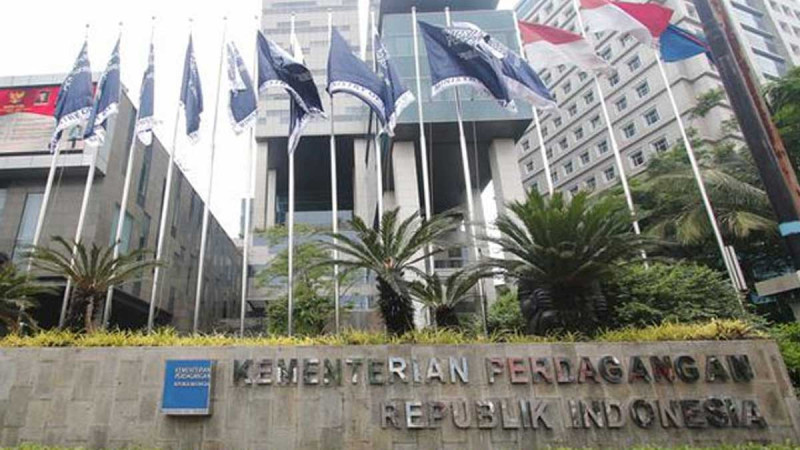
Trade Minister Budi Santoso said the continued surplus reflects the resilience of Indonesia’s trade sector amid ongoing global economic uncertainty.
“The surplus in January 2026 extends Indonesia’s trade surplus streak to 69 consecutive months since May 2020. This consistency reflects the resilience of our national trade sector amid global uncertainty,” he said in an official statement received by InfoSAWIT on Friday (6 March 2026).
Based on trading partners, Indonesia recorded its largest surplus with the United States at US$1.55 billion, followed by India at US$1.07 billion, and the Philippines at US$0.69 billion.
Meanwhile, the largest deficits were recorded with China (US$2.47 billion), Australia (US$0.96 billion), and France (US$0.47 billion).
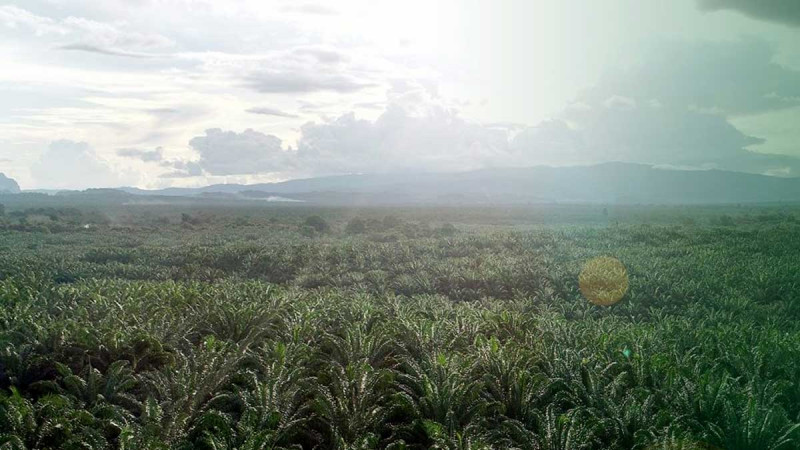
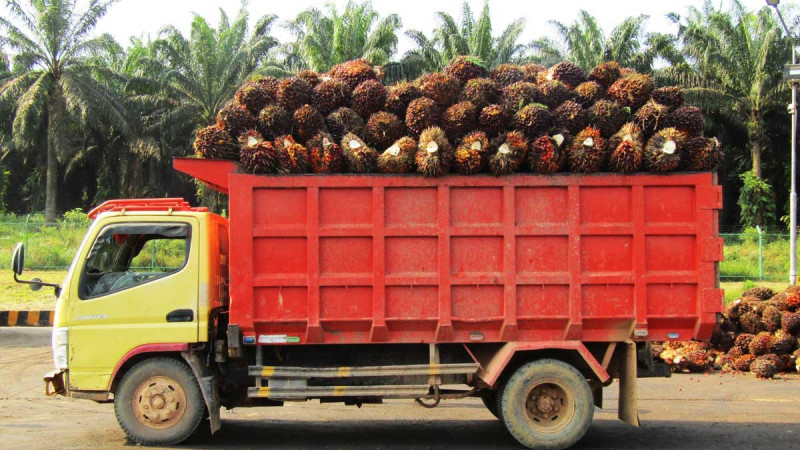
Among non-oil commodities, animal and vegetable fats and oils (HS 15)—which include palm oil and its derivatives—recorded one of the highest export growth rates.
“Three non-oil commodities with the highest export growth in January 2026 were tin and related products (HS 80), up 191.38%, animal and vegetable fats and oils (HS 15) up 46.05%, and nickel and related products (HS 75) up 42.04% year-on-year,” Budi said.
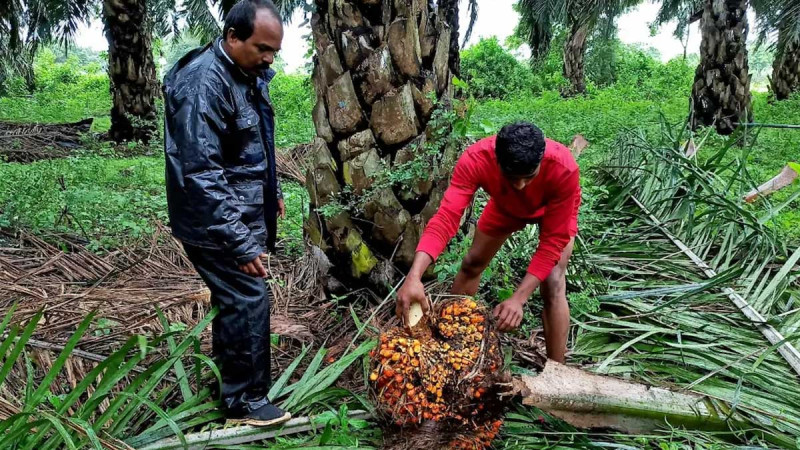
Palm oil and palm kernel oil remain key contributors to Indonesia’s manufacturing exports.
The strong performance of these strategic commodities highlights their important role in supporting Indonesia’s trade balance and reinforcing the country’s position as one of the world’s leading vegetable oil suppliers. (T2)