InfoSAWIT, SAO PAULO – Two leading agricultural consultancies have lowered their forecasts for Brazil’s 2025/2026 soybean production after adverse weather conditions in Rio Grande do Sul affected crop yields and weighed on national output.
According to Reuters, as cited by InfoSAWIT on Wednesday (4/3/2026), the revisions were made by AgRural and StoneX, which said drought conditions and irregular rainfall in southern Brazil have begun to significantly impact harvest performance.
AgRural Cuts Forecast to 178 Million Tonnes
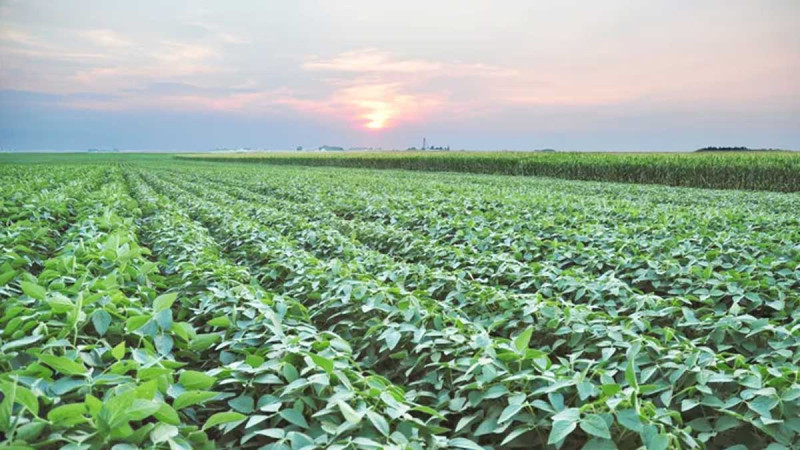
AgRural now estimates Brazil’s soybean production for the 2025/2026 season at 178 million metric tonnes, down from its previous projection of 181 million tonnes.
The downgrade was mainly attributed to yield losses caused by drought in Rio Grande do Sul.
However, the consultancy noted that the decline has been partially offset by stronger productivity in other regions, particularly Mato Grosso, Brazil’s largest soybean-producing state.
As of last Thursday, Brazilian farmers had harvested around 39% of the total soybean planting area, up nine percentage points from the previous week but still behind 50% harvested at the same time last year.
AgRural also reported that the current harvest pace is the slowest since the 2020/2021 season.
StoneX: Still on Track for Record Output
Meanwhile, StoneX estimated Brazil’s soybean production at 177.8 million tonnes, about 2.1% lower than its previous projection.
Despite the revision, the figure still has the potential to become the largest soybean harvest on record.
StoneX market intelligence specialist Ana Luiza Lodi said weather disruptions were the main driver behind the adjustment.
“Weather problems have caused some crop damage, especially in Rio Grande do Sul, where rainfall arrived late and was quite uneven,” she said.
StoneX also warned that further revisions may occur in the coming weeks, as the soybean planting cycle in Rio Grande do Sul progresses more slowly than in other states.
The revision of Brazil’s soybean production outlook is closely watched by global markets because the country is among the world’s largest soybean producers and exporters. Changes in Brazilian output could influence the global vegetable oil supply balance, including palm oil price dynamics. (T2)