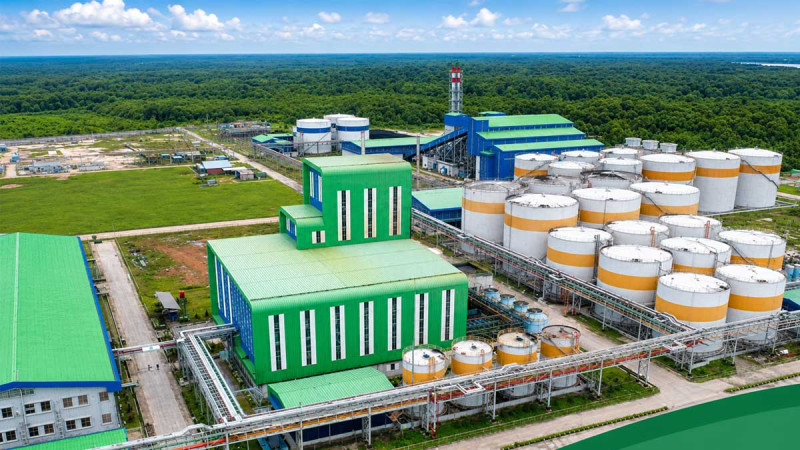
InfoSAWIT, JAKARTA – Indonesian palm oil producer PT Sawit Sumbermas Sarana Tbk. (SSMS) has strengthened its sustainability credentials by achieving 100 percent Indonesian Sustainable Palm Oil (ISPO) certification across all operations, while recording full traceability across nearly 2 million tons of fresh fruit bunches (FFB) sourced through its supply chain.
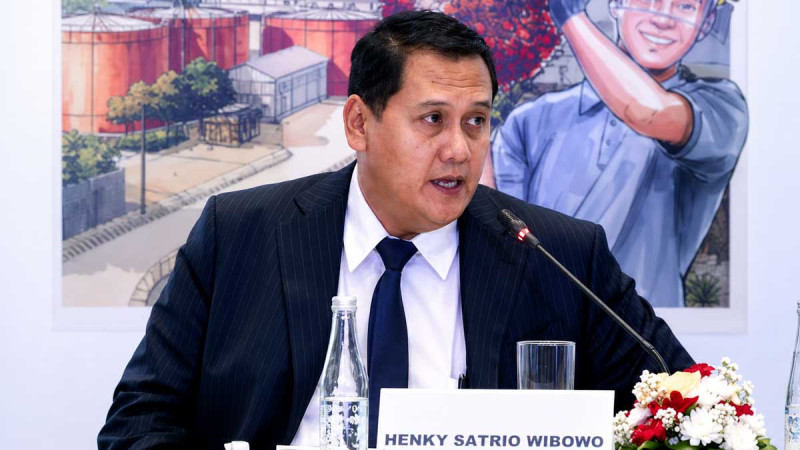
Director of Sustainability at PT Sawit Sumbermas Sarana Tbk., Henky Satrio Wibowo, said the company has aligned its business operations with both national and global sustainability standards, including RSPO certification, alongside management systems under ISO 9001, ISO 14001, and ISO 45001.
“Our commitment is to ensure that every part of our business operates in line with sustainability standards while maintaining clear accountability and traceability for every product we produce,” Henky said during the company’s Annual Public Expose attended by InfoSAWIT on Thursday (April 30, 2026).
Smallholder Inclusion Expands
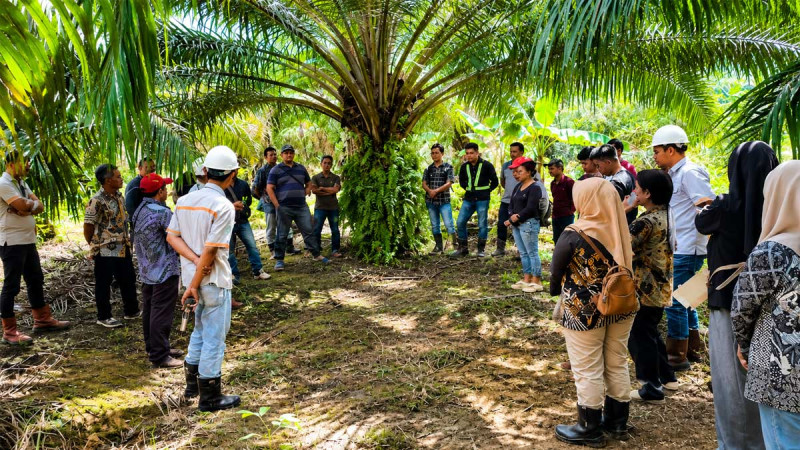
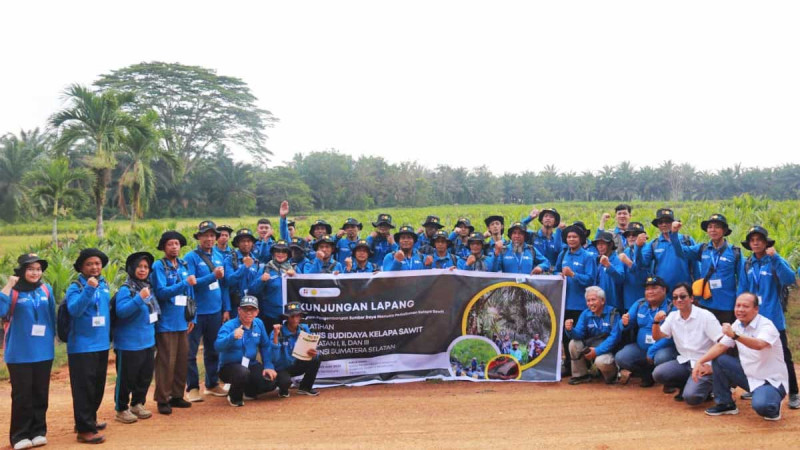
Beyond internal operations, SSMS is also extending sustainability benefits to independent smallholders through training and certification support.
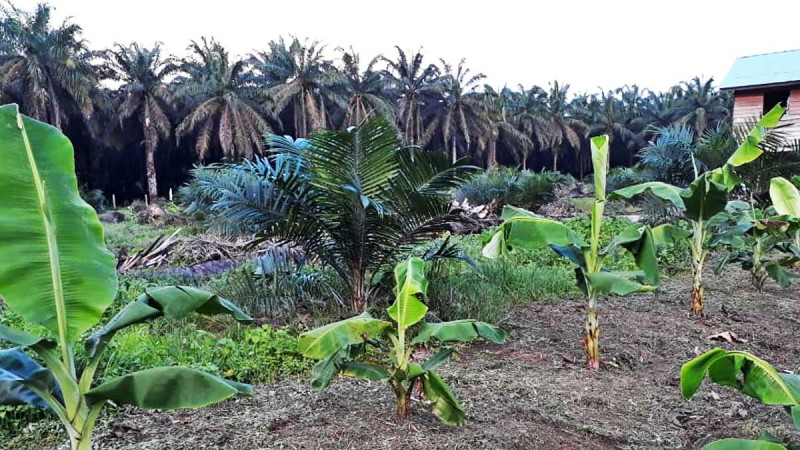
One initiative involves the Independent Oil Palm Farmers Association (APKSM), which currently consists of 774 members managing 1,747.73 hectares, while another village enterprise initiative includes 506 farmers managing nearly 2,000 hectares.
Henky said the company plans to expand similar programs this year to additional farmer groups surrounding its operational areas.
“Sustainability is not only about corporate performance. It is also about ensuring independent smallholders and surrounding communities can grow together through responsible palm oil practices,” he said.
Conservation and Carbon Management
SSMS is also advancing carbon accounting programs and biodiversity protection, including conservation initiatives in collaboration with the Borneo Orangutan Survival Foundation to help protect orangutan habitats near operational areas.
Combined with community forestry initiatives, the company says these programs aim to balance business growth, community empowerment, and ecosystem protection—reinforcing palm oil’s role as both an economic engine and environmental steward. (T2)