InfoSAWIT, KUALA LUMPUR – Palm oil production in Sabah is expected to drop sharply in February following prolonged heavy rains and flooding across one of Malaysia’s key palm-producing states, potentially easing the oversupply that has weighed on prices.
According to The Edge Malaysia, as cited by InfoSAWIT on Tuesday (3/3/2026), February output in Sabah is projected to decline by around 15% to 17% compared with the previous month. The estimate was conveyed by Sabah Malaysian Palm Oil Association (MPOA) Chairman Prakash Arumugam.
Prakash said persistent rainfall over the past four weeks has triggered repeated flooding across many plantations, particularly in low-lying areas.
“The situation is like a yo-yo. It rains for several days and floods occur, the water recedes, then the rain comes again and the flooding returns,” he said in an interview.
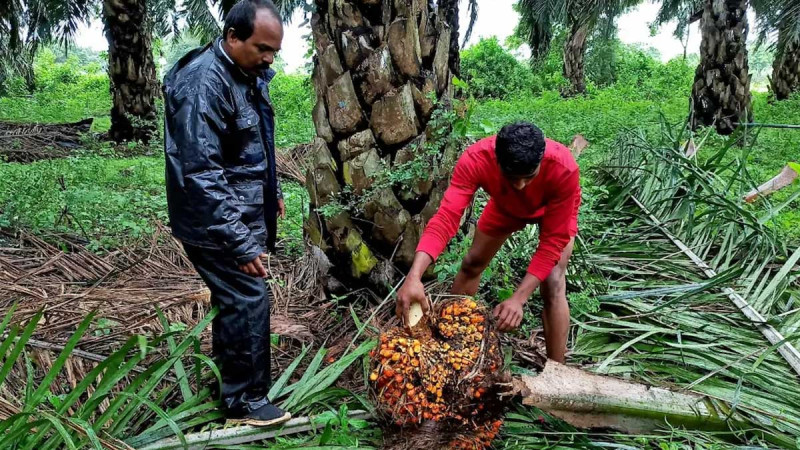
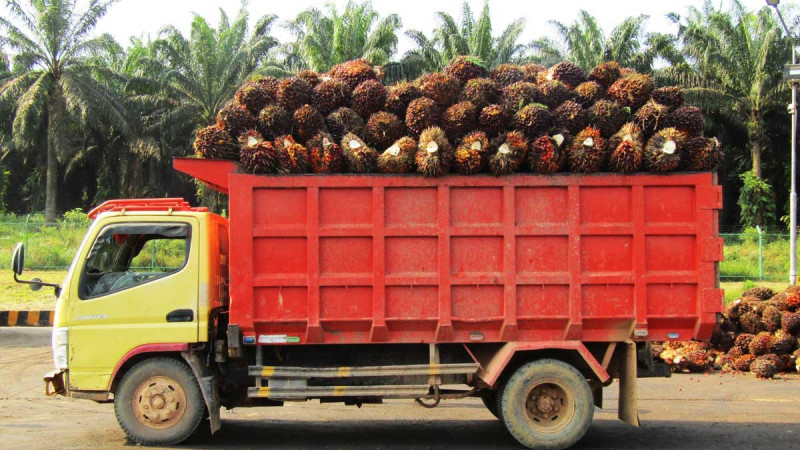
He added that standing water has submerged young palms, damaged plantation roads, and disrupted harvesting and the transport of fresh fruit bunches.
National Production Also Under Pressure
Malaysia is the world’s second-largest palm oil producer. The Borneo states of Sabah and Sarawak each contribute roughly 22% of the country’s total palm oil output.
According to national news agency Bernama, more than 5,800 people had been evacuated due to flooding in Sabah as of Friday afternoon local time.
Even before the floods, Malaysia’s production was expected to decline this month due to seasonal factors and fewer working days caused by holidays. The Malaysian palm oil association previously estimated that national output fell 12% during the first 20 days of February compared with the previous month.
The decline was led by double-digit contractions in Sabah and Sarawak. A deeper-than-expected drop could reduce Malaysia’s swelling palm oil inventories and provide support to Kuala Lumpur palm oil futures.
Throughout February, benchmark palm oil prices were heading for a nearly 5% monthly decline, the steepest drop since April last year, pressured by a stronger ringgit and abundant supplies.
Rainfall Above Seasonal Norms
Data from the US Climate Prediction Center showed most parts of Sabah received rainfall up to 150 millimetres above normal over the past two weeks, while many areas in Sarawak recorded around 100 millimetres above average.
One contributing factor is the Madden–Julian Oscillation (MJO), a weather disturbance wave that can intensify rainfall in certain regions while suppressing precipitation elsewhere.
According to Prakash, several plantations in Sabah remain flooded, preventing workers from harvesting.
Fresh fruit bunches from younger palms have been “completely submerged,” while harvesting from taller trees can only resume once floodwaters fully recede.
Looking ahead, rainfall is expected to ease within the next two weeks. Forecasts from the US weather agency indicate that although some areas may still experience above-normal rainfall early next week, conditions are likely to become drier heading toward March 10. (T2)