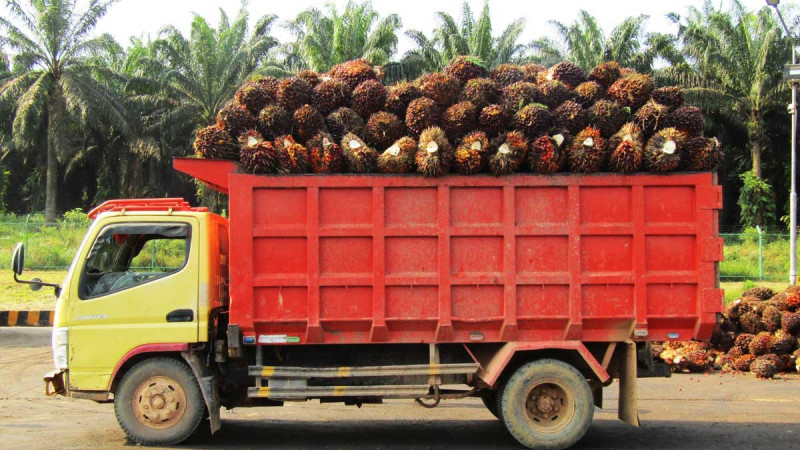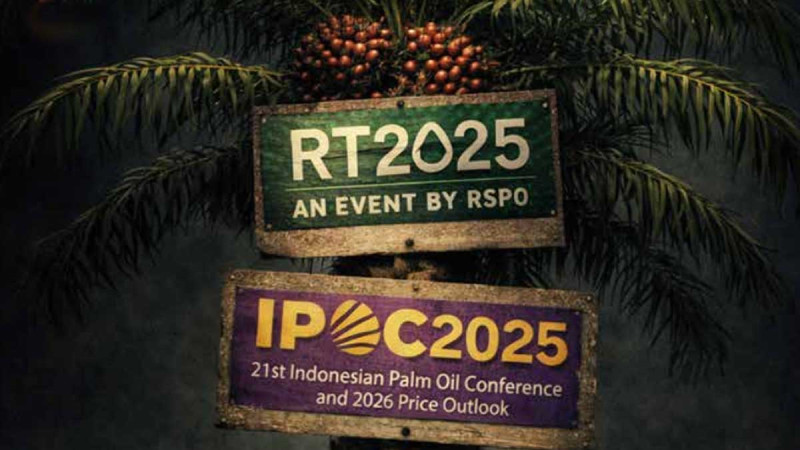
InfoSAWIT, JAKARTA – On paper, the Roundtable on Sustainable Palm Oil (RSPO) has reason to celebrate. By the end of 2024, around 5.1 million hectares of oil palm plantations across 24 countries were RSPO-certified, with more than 57,000 Smallholders from 14 countries participating.
Yet behind the numbers lies a more complex reality. Deforestation remains unresolved, supply-chain traceability is uneven, and welfare gaps between large companies and Smallholders persist. Meanwhile, pressure from global markets—particularly Europe—has intensified.
The European Union Deforestation Regulation (EUDR) now requires all products entering the EU to be traceable to plantation level and proven deforestation-free. For some industry players, it is a technical challenge; for others, it feels like a narrowing trade barrier.
“We can’t avoid this pressure,” said JD D’Cruz. “But we can turn it into progress.”
Smallholders at a Critical Crossroads
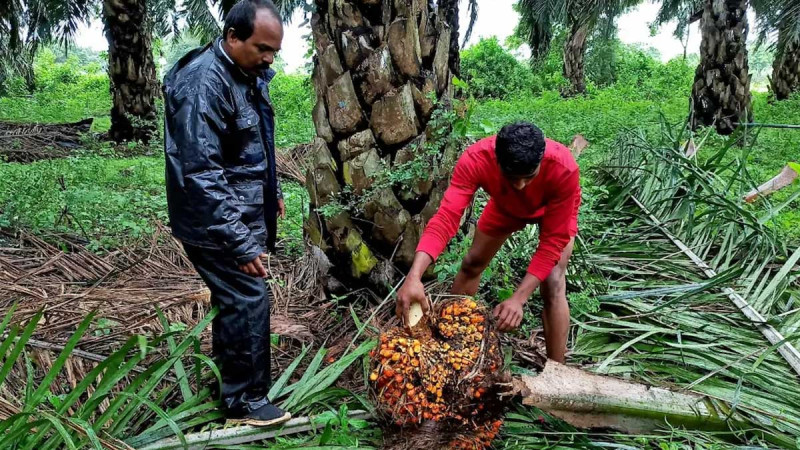
RSPO Market Transformation Director Inke Van Der Sluijs reminded participants that Smallholders remain the missing piece in many sustainability discussions.
“Without Smallholders, the sustainable palm oil story will never be complete,” she told InfoSAWIT.
From Malaysia, Sabah has pioneered the Jurisdictional Approach to Sustainable Palm Oil (JASPO), while in Indonesia, voices from FORTASBI stressed that training alone is insufficient without strong market incentives.
A week later, attention shifted from Kuala Lumpur to Nusa Dua, Bali, where the Indonesian Palm Oil Conference 2025 and Price Outlook 2026 gathered participants from 28 countries, blending economic optimism with sustainability concerns. (*)
Read more in InfoSAWIT Magazine, December 2025 Edition.