InfoSAWIT, KUALA LUMPUR – Malaysia is preparing to strengthen governance of used cooking oil (UCO) by introducing an official reference price in the first quarter of 2026. The policy was announced by Malaysia’s Plantation and Commodities Minister Datuk Seri Dr Noraini Ahmad, as part of efforts to build a more transparent, fair, and sustainable UCO market.
Noraini said the benchmark would provide clear price guidance, support fair trading practices, and protect small players from price manipulation and fraud.
“This reference price will provide clear price guidance, support fair trading and protect small players from manipulation and fraud,” Noraini said, as reported by InfoSAWIT from Bernama on Monday (26/1/2026).
She noted that UCO plays a strategic role in the circular economy transition—turning waste into valuable resources, especially for downstream applications such as biofuels and palm-based chemical products.
“UCO plays an important role in this transition, particularly for downstream uses such as biofuels and palm-based chemical products,” she said.
Noraini added that the Malaysia Palm Oil Board (MPOB) continues to strengthen governance, tracking systems, and market oversight to ensure UCO is managed safely and in an orderly manner. This effort is also viewed as supporting sustainability assurance in Malaysia’s palm oil sector.
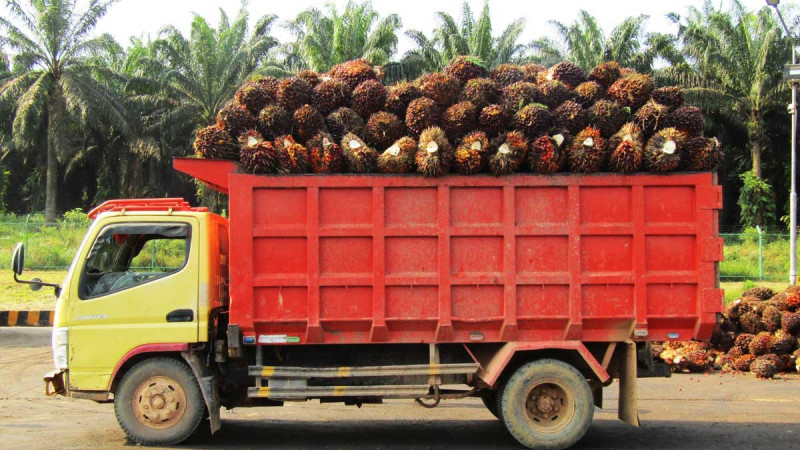
In addition, Noraini shared that Malaysia’s average crude palm oil (CPO) price increased 2.7% to RM4,292 per tonne in 2025, compared to RM4,179 per tonne in 2024.
Malaysia’s export revenue for palm oil and palm-based products is expected to exceed RM100 billion in 2025, supported by CPO production approaching 20 million tonnes.
“This is a strong achievement. From the government’s view, our future competitiveness depends on three key areas: higher productivity, stronger sustainability assurances, and faster adoption of innovation,” Noraini said.
Looking ahead to 2026, she said Malaysia’s palm oil outlook remains positive, with priorities focused on strengthening productivity, sustainability, and adaptability. She emphasized the need to focus on quality, sustainability, and traceability rather than volume alone.
“I am very confident that the Malaysian oil palm industry has a strong and resilient future. Growth must go hand in hand with sustainability, inclusiveness and innovation,” she said.
She also stressed the importance of close cooperation between the government, industrial players, researchers, and smallholders to ensure long-term transformation of the industry. (T2)