InfoSAWIT, JAKARTA – On the presentation screen appeared a seemingly simple photograph: a red dirt road cutting through a production forest concession in Kalimantan, leading toward a mining area. In one corner of the image stood a woman wearing a field vest. She was Dr. Siti Maimunah, an academic more often found in forest sites than behind seminar podiums.
Siti Maimunah spoke at the discussion titled “Quo Vadis the Constitution and the Ecological Crisis: Learning from Sumatra’s Hydrometeorological Disasters”, attended by InfoSAWIT on Tuesday (23/12/2025). She brought with her a long track record, including the 2017 Kalpataru Award for her role in developing the Muhammadiyah University of Palangkaraya Educational Forest and international recognition as an FAO Asia Pacific Forest Hero in 2019.
From the outset, Siti emphasized that disasters cannot be viewed solely through rainfall or geography. “Disaster must be understood through the basic meaning of the constitution and the ecological crisis,” she said. Sumatra, plagued by floods, landslides, and extreme droughts, illustrates how constitutional promises—particularly the right to a healthy environment—often remain merely textual.
She pointed out that during the same week, Mount Merapi’s activity in Yogyakarta increased, yet surrounding areas remained relatively safe. For Siti, this showed that risks can be managed when spatial planning, environmental protection, and mitigation are consistently implemented.
Drawing from field experience, Siti rejected oversimplified narratives. She frequently works with business actors—from forestry and mining to palm oil plantations—not to justify exploitation, but to push conservation awareness as part of corporate responsibility.
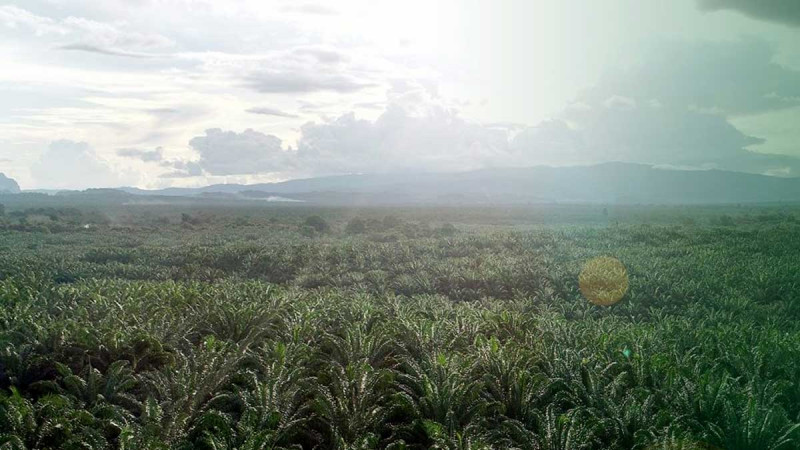
According to her, blaming palm oil alone for ecological disasters is misleading. Floods and landslides in Sumatra stem from accumulated upstream forest degradation caused by illegal logging, illegal mining, forest fires, and decades of poor governance. When forest cover is destroyed, water no longer infiltrates the soil, erosion intensifies, and disasters strike suddenly.
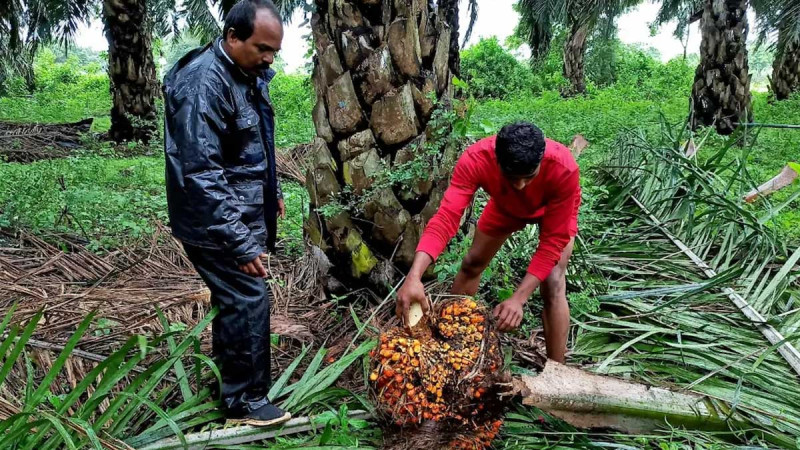
She highlighted collaborative efforts in Kalimantan where remaining forests are protected alongside mining and palm oil companies. Some palm oil companies, she noted, have begun adopting sustainable practices—protecting high conservation value areas, rehabilitating degraded land, and restoring watersheds.
Siti also criticized weak law enforcement and land-use conversion driven by political interests. In such conditions, palm oil companies are often blamed, while systemic governance failures go unaddressed. “Don’t just blame the commodity. The government must ensure regulations are enforced,” she stressed.
She concluded with a call for balance between economic and ecological interests. Investment, including palm oil, may proceed and communities must prosper—but forests and biodiversity must not continue to shrink. (T2)