InfoSAWIT, JAKARTA — The polemic of forest area management in Indonesia continues to attract attention, but efforts for improvement must not wane. Professor of Law at Pancasila University, Prof. Agus Surono, emphasized that solutions to these problems must be based on a strong, comprehensive legal framework that favors the interests of the people and environmental sustainability.
According to Prof. Agus, the presence of Presidential Regulation (Perpres) No. 5 of 2025 is part of the long-awaited efforts to reform natural resource governance. However, its implementation should not be done partially or hastily but must follow the established legal principles.
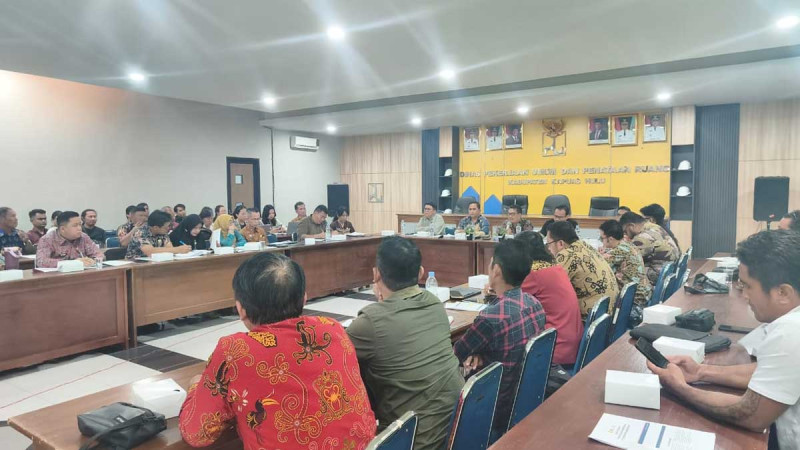
“The Constitutional Court Decision No. 45 has already emphasized that the process of forest area designation must go through a complete legal stage—from designation, boundary arrangement, mapping to establishment. This is not just a technical procedure but also a guarantee of legal certainty for the community,” said Prof. Agus in a discussion attended by InfoSAWIT in early May 2025.
He reminded that disorder in the designation of forest areas can trigger prolonged tenure conflicts. On one occasion, Prof. Agus once conveyed to the Presidential Working Unit for Supervision and Control of Development (UKP4) that the implementation of gradual and transparent designation stages is the key to mitigating potential conflicts.
“If the process is conducted honestly and openly, the community will find it easier to understand and accept the policy. This also protects them from the threat of criminalization due to overlapping land claims,” he asserted.
While welcoming the government's spirit in resolving the complexities of overlapping land through the latest Perpres, Prof. Agus believes that the issues on the ground are much more complicated. The arrangement of forest areas does not only intersect with forestry aspects but also with other sectors such as agriculture, plantations, and mining.
“Therefore, efficiency measures must not sacrifice the legal stages that should be prerequisites for area designation. If that happens, we will create new injustices,” said Prof. Agus.
In the context of law enforcement, Prof. Agus also emphasized the need to prioritize the principle of ultimum remedium, which means making criminal law a last resort after administrative and civil avenues have been pursued.
“This approach is important so that the community does not always live in fear of legal entanglements. The state should provide space for them to understand, adapt, and participate in the area arrangement process,” he concluded. (T2)