InfoSAWIT, JAKARTA – Driven by concerns over environmentally negligent palm oil plantation practices, Sutiyana has taken a proactive role in promoting more environmentally friendly palm oil cultivation. Now serving as the Chairman of the Indonesian Sustainable Palm Oil Farmers Forum (FORTASBI), his advocacy extends beyond productivity to uniting farmers' voices in safeguarding the earth while maintaining harvests.
From Pangkalan Tiga Village in Kotawaringin Barat, Central Kalimantan, a significant transformation began with small steps. There, a palm oil farmer named Sutiyana not only manages his palm oil plantation but also nurtures hope—for the environment, the community, and the future of smallholder palm oil farmers in Indonesia.
The year 1996 marked the beginning of this change. When the Primary Cooperative Credit Program for Members (KKPA) was introduced to the village through PT Meta Epsi Agro, residents began to learn about palm oil. Five years later, in 2001, the community started planting palm oil independently. However, alongside the economic activity, Sutiyana noticed a dangerous gap: careless cultivation practices, unfounded fertilization, and neglectful plantation maintenance.
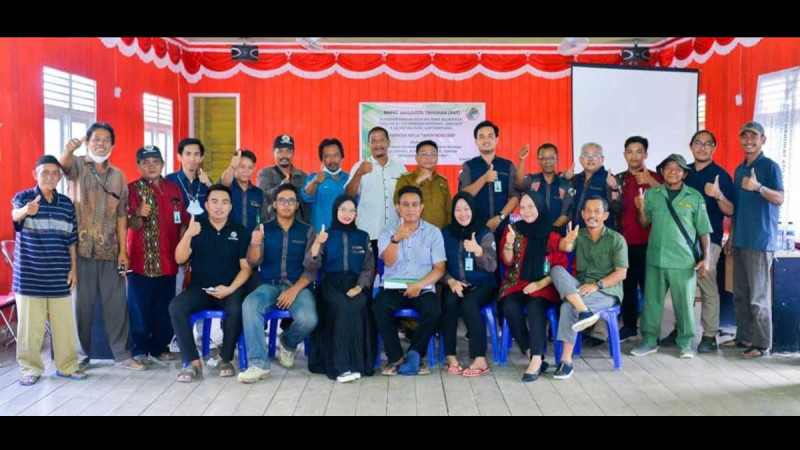
“I saw many independent farmers lacking understanding of palm oil cultivation regulations. That motivated me to provide training,” he recalled during a conversation with InfoSAWIT in mid-May 2025. He began to take action—establishing farmer groups, facilitating training, and gradually building awareness that palm oil farming is not just about harvests, but also about protecting the earth.
A significant milestone occurred in 2017 when Sutiyana met with the Earth Innovation Institute (INOBU), an NGO that introduced the principles of the Roundtable on Sustainable Palm Oil (RSPO) and Indonesia Sustainable Palm Oil (ISPO). “Since then, we started introducing good cultivation practices, from land legality to environmental preservation,” he stated. As a result, his group achieved RSPO certification that same year.
The journey, however, was not smooth. Changing long-standing habits requires time and patience. “Trust cannot be established overnight. But through continuous training, intensive communication, and group work, farmers gradually became more open,” Sutiyana explained. He formed cooperatives such as Subur Farmers Cooperative and Karya Sawit Mandiri Jaya Cooperative to support this movement institutionally.
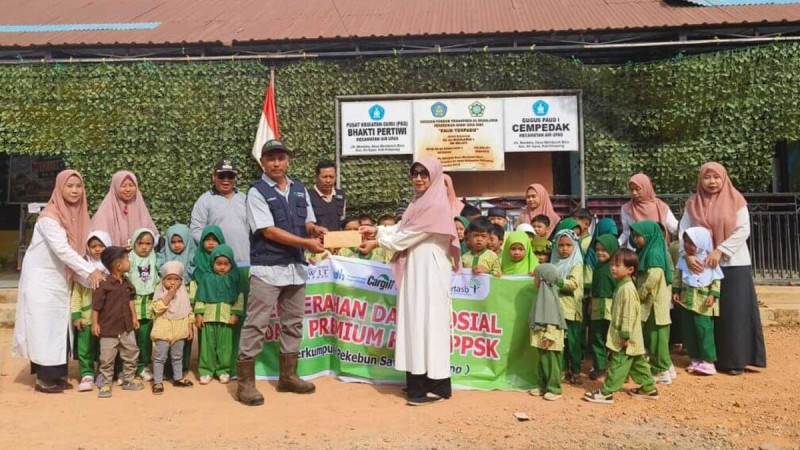
Sharing a common mission, Sutiyana also joined the Indonesian Sustainable Palm Oil Farmers Forum (FORTASBI), where he now serves as Chairman. This forum brings together farmers from various regions, such as Jambi and Riau, who have achieved RSPO certification, to collectively promote sustainable palm oil practices.
“FORTASBI exists not only to assist farmers in achieving certification but also to ensure they can maintain and improve the quality of their plantations,” he said. Sutiyana noted three significant changes since the forum's inception: increased productivity due to proper harvesting and fertilization training; heightened awareness of occupational safety; and more responsible environmental management, including hazardous waste management.
He emphasized the importance of supporting organizations in encouraging farmers to transition to sustainable practices. “We need continuous support, not just in terms of knowledge but also in mental and organizational aspects,” he stated. (T2)