InfoSAWIT, SAMARINDA – The East Kalimantan Provincial Government is increasingly committed to steering its economic development towards a green path, with a strategic focus on the palm oil sector, which plays a crucial role in supporting sustainable economic transformation in the region.
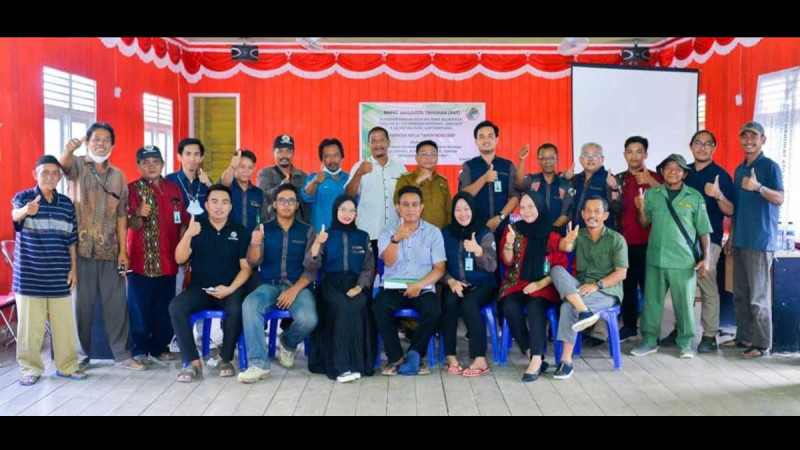
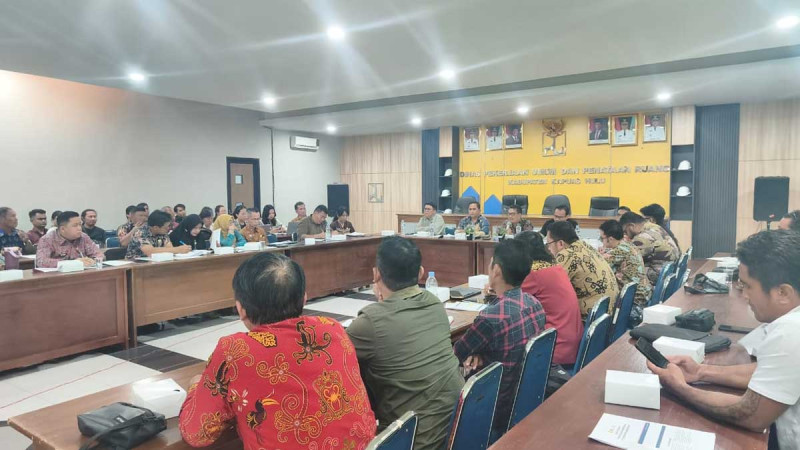
This was highlighted during the Regional Consultation Forum themed “For the Economic Transformation of East Kalimantan: Enhancing Productivity and Sustainability in Palm Oil Activities,” held at the East Kalimantan Plantation Office on Monday. The event was organized by the East Kalimantan Plantation Office in collaboration with the Sustainable Plantation Communication Forum (FKPB) and the international cooperation agency GIZ.
The discussion was opened by Asmirilda, Head of the Sustainable Plantation Division, representing the Acting Head of the East Kalimantan Plantation Office. She emphasized the strategic role of palm oil as the third-largest contributor to the Regional Gross Domestic Product (PDRB) of East Kalimantan, following coal and oil and gas. Additionally, this sector employs approximately 12 percent of the workforce in the province.
However, Asmirilda acknowledged the significant challenges that remain, such as low productivity and the uneven application of sustainability standards among smallholder farmers. "This transformation must focus on improving plantation practices and implementing social and environmental principles. Strengthening supply chains, training for extension workers, incentives, and monitoring systems for companies are key pillars," she explained, as quoted by InfoSAWIT from the East Kalimantan Provincial Government on July 23, 2025.
She expressed optimism that if these strategies are consistently applied, palm oil productivity could increase from 2.8 tons to 5 tons of CPO per hectare per year, potentially doubling regional revenue from shared funds.
Yus Alwi, the Daily Chair of FKPB East Kalimantan, also stressed the importance of cross-sector synergy. He noted that the success of the transformation relies not only on the government but also on the commitment of the private sector, communities, and development partners. "Collaboration is key. We hope this forum will not only serve as a discussion space but will also lead to tangible commitments to enhance competitiveness and maintain the sustainability of East Kalimantan's palm oil," Yus stated.
The discussion was attended by various stakeholders, including Ade Cahyat, Fajar Lismawan, and Iwied from GIZ, East Kalimantan Plantation Office officials, and FKPB Advisory Council members. The hope is that the outcomes of this meeting will serve as a foundational step in formulating regional strategies aligned with East Kalimantan's green economic development agenda, positioning the province as a successful model for sustainable palm oil transformation in Indonesia. (T2)