InfoSAWIT, JAKARTA - Since 2024, the Roundtable on Sustainable Palm Oil (RSPO) has been actively improving sustainable palm oil practices. Through market transformation efforts, RSPO supports various initiatives by palm oil farmers to engage actively in their trade supply chains. The goal is for palm oil farmers to gain economic leverage over palm oil and its derivative products used by consumers.
Recognizing that many farmers still require substantial support, RSPO views them as key players who must be encouraged to participate actively in sustainable palm oil trade. By involving farmers in the global palm oil trade, their economic bargaining position can be significantly enhanced.
Farmers' involvement in the global palm oil supply chain not only increases transparency but also ensures traceability of the raw materials used by the global manufacturing industry. By actively participating in the sustainable palm oil trade system, farmers can document and verify the existence of the plantations they manage. This allows for more accurate tracking of palm oil origins while strengthening industry players' trust in sustainability and social responsibility in the production of this commodity.
The role of palm oil farmers reinforces the commitment to sustainable certification, in line with RSPO's Principles and Criteria, which emphasize deforestation prevention and respect for human rights. Through training programs organized by RSPO, farmers are actively engaged in implementing this shared commitment, ensuring sustainability and social responsibility in palm oil management.
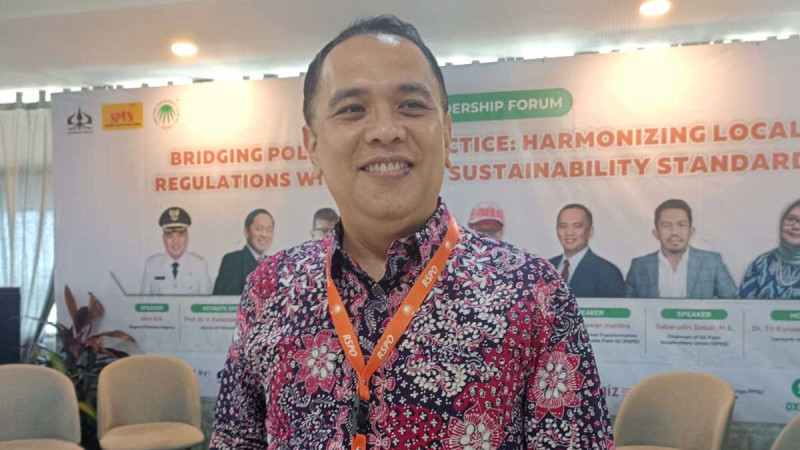
Palm oil farmers play a crucial role in the market transformation initiated by RSPO, as their direct involvement strengthens the sustainability of the entire palm oil trade supply chain. "By integrating farmers into the global supply chain, they can enjoy more significant economic benefits," said Dr. M. Windrawan Inantha, Deputy Market Transformation at RSPO.
According to Windrawan, since its establishment over two decades ago, RSPO has certified 5.2 million hectares of palm oil plantations in 23 countries, producing 16.1 million tons of Certified Sustainable Palm Oil (CSPO) in 2023. In Indonesia, the area of certified palm oil plantations grew by 8.4% in the same year. By September 2024, the area under certification increased by 5%, reaching over 2.7 million hectares, supported by a 6% growth in membership from Indonesian palm oil plantations. Meanwhile, the domestic market absorbed 1.6% of the physical production of RSPO-certified palm oil.
“Certification by independent farmers has surged by 60% annually, with the latest data showing that 25,579 independent farmers have successfully obtained RSPO certification,” Windrawan explained. (T1)
For more details, read the May 2025 edition of InfoSAWIT magazine.