InfoSAWIT, BERAU — Amid the dominance of the mining sector, Berau Regency is beginning to show signs of a more balanced economic transformation. Recent data indicates that throughout 2024, the plantation sector made a significant contribution to the region's Gross Regional Domestic Product (GRDP), accounting for 7.66 percent. This figure is a crucial part of the total contribution of the agricultural sector, which reaches 13 percent of the GRDP.
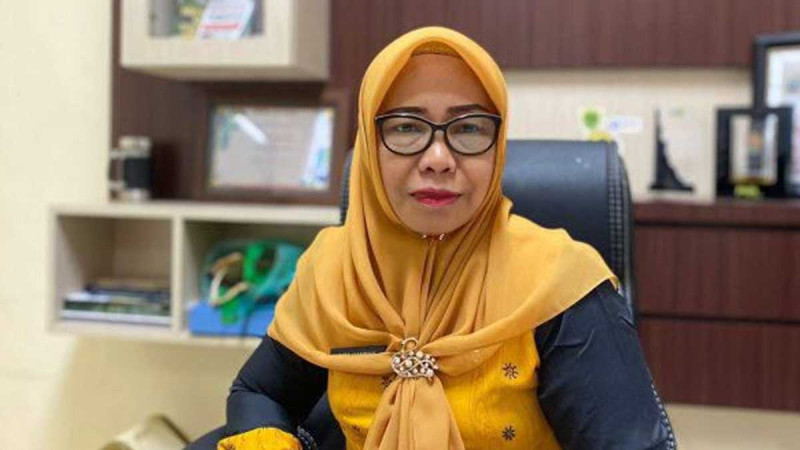
Lita Handini, Head of the Berau Plantation Office, noted that the growth of this sector is driven by increased production and a surge in palm oil commodity prices, which have performed strongly in both national and global markets.
“The rise in production and commodity prices directly impacts tax contributions and profit-sharing. This is what boosts the GRDP figures from the plantation sector,” Lita stated, as reported by InfoSAWIT from Mediakaltim on Friday (July 18, 2025).
Although mining still dominates Berau's economic structure, contributing nearly 60 percent of the total GRDP, Lita is optimistic that plantations, particularly palm oil, can serve as a balancing sector in the long term.
“Plantations are more sustainable and absorb a lot of labor. This can become the foundation of our economy in the future,” she said.
However, amidst this growth, environmental issues remain a concern. Lita acknowledged that palm oil land clearing is often associated with ecological damage. Nevertheless, she emphasized that the impacts of plantations are relatively easier to recover from compared to extractive sectors like mining.
“With palm oil, it only takes two to three years for vegetation to recover. So, it recovers faster,” she explained.
Furthermore, Lita elaborated that the characteristics of palm oil plants actually provide ecological benefits, particularly in water management. The fibrous roots of palm trees help absorb water effectively, reducing flood risks and maintaining groundwater balance.
“Palm trees can absorb a lot of water. Once the land is covered, rainwater can directly enter the soil without causing puddles,” she added.
Additionally, the Plantation Office stressed the importance of protecting areas with high conservation value (HCV). Regions with natural forest cover that serve as wildlife habitats must be safeguarded from plantation expansion.
“If an area has high conservation value, it must be protected. It could be a home for endangered species that we need to preserve,” Lita asserted.
Out of a total of 35 plantation business licenses recorded in Berau Regency, 26 companies are currently active. Most of them, according to Lita, are already planting immediately after land clearing as a commitment to accelerate vegetation recovery.
This step demonstrates that a sustainability approach is beginning to be implemented in industry practices on the ground. However, Lita emphasized that economic growth should not come at the expense of the environment.
“We can utilize natural resources, but our responsibility towards the environment must not be neglected,” she concluded. (T2)