InfoSAWIT, JAKARTA - As business uncertainties continue to swirl, the national palm oil industry is beginning to feel the impact. Not only are business players affected, but palm oil workers are also at risk of being impacted. This is particularly concerning as improvements in palm oil worker governance are still underway, with a Bipartite platform established to enhance protection and compliance in the sector.
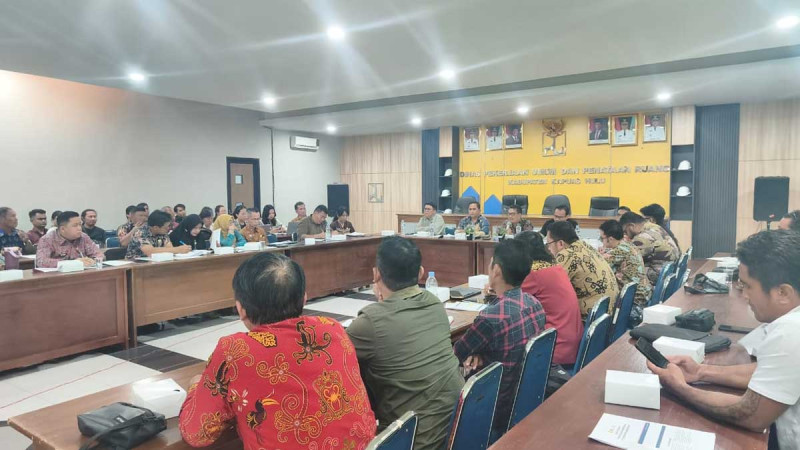
On that morning, the room was filled with industry players, academics, and labor activists. International Workers' Day served as a moment of reflection, but also a stage to voice long-held anxieties. Amidst an initially optimistic atmosphere, Sumarjono Saragih, Chairman of the Indonesian Palm Oil Entrepreneurs Association (GAPKI) for Human Resource Development and founder of Worker Initiatives for Sustainable Palm Oil (WISPO), posed a sharp question.
“Have the previous speakers truly confirmed the conditions of workers and sustainability? What about palm oil?” he asked, opening the door to a reality that can no longer be ignored.
With a neutral yet poignant tone, Sumarjono did not deny that the palm oil industry is a national pride. "We have success stories, palm oil revenue worth 600 trillion rupiah, millions of workers, and exports that support the economy. All of that is true," he stated during the May Day 2025 discussion organized by the Sarbumusi Confederation, titled "Economy Squeezes, Workers Scream," as monitored by InfoSAWIT in early May 2025.
However, behind the glittering spotlight, he brought bad news. “The bad news is that the palm oil industry is currently facing a very concerning uncertainty. This is not just ordinary turbulence, but a storm that could shake everything,” Sumarjono explained.
He quoted President Prabowo Subianto's statement in the book "Paradox Indonesia," that this country is full of paradoxes. “Now, we add one more: legal uncertainty,” he said.
According to Sumarjono, this uncertainty is not merely an economic issue. It is a matter of law that cannot be measured. “If we can measure risk, we can make decisions. But this risk is unmeasurable. How can large industries survive when constantly faced with changing policies and legal threats?”
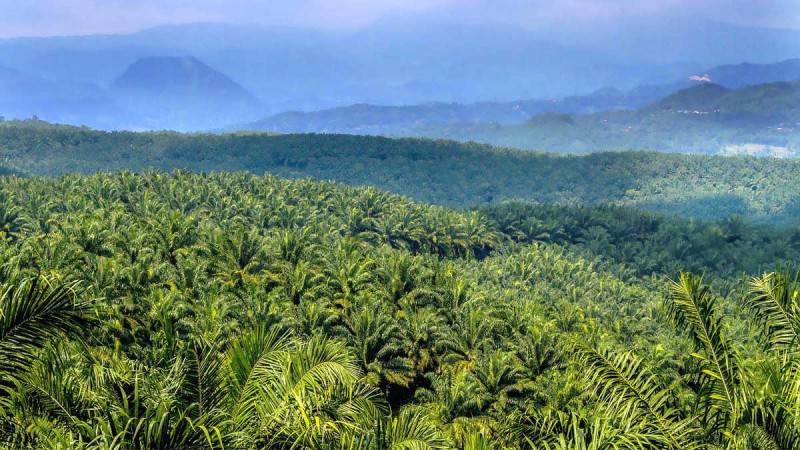
The uncertainty he referred to particularly concerns forest areas. Currently, around 3 million hectares of palm oil land—owned by both farmers and corporations with official permits—are identified as forest areas. The government has even placed signs indicating that the land is under state control.
“The question is, if that land is now classified as forest, what have farmers and companies been doing there all this time? Why was it allowed before?” he asked. “If this is left unchecked, 3 million hectares of palm oil will become black palm oil, unsustainable. The global market will not accept products like that.” (T2)
For more details, read the May 2025 edition of InfoSAWIT Magazine.