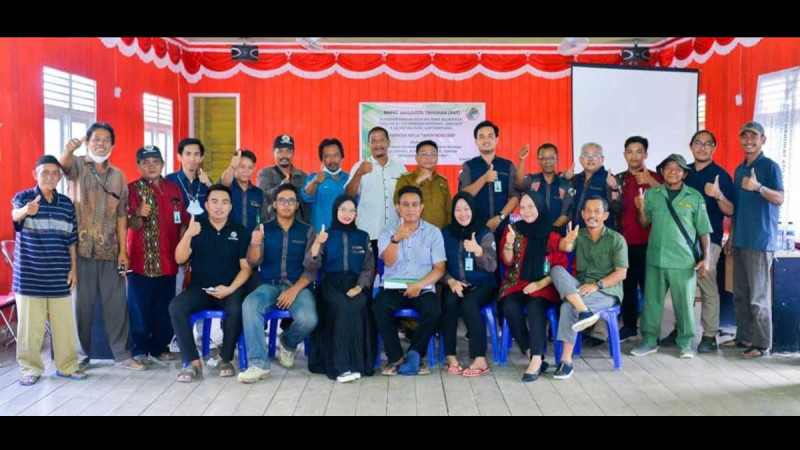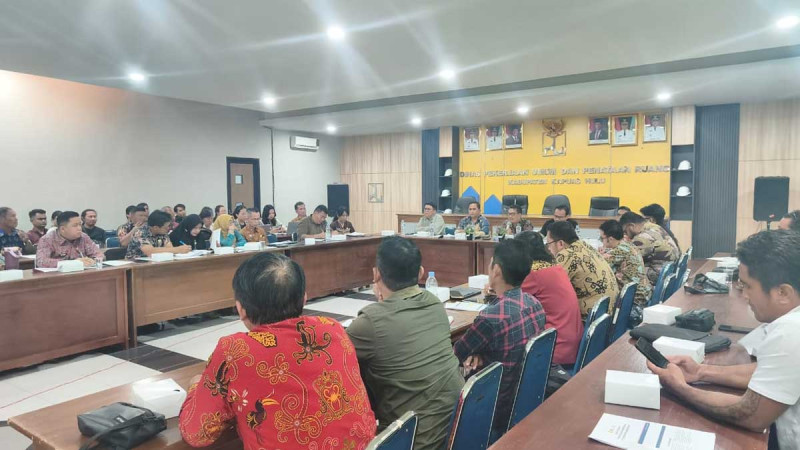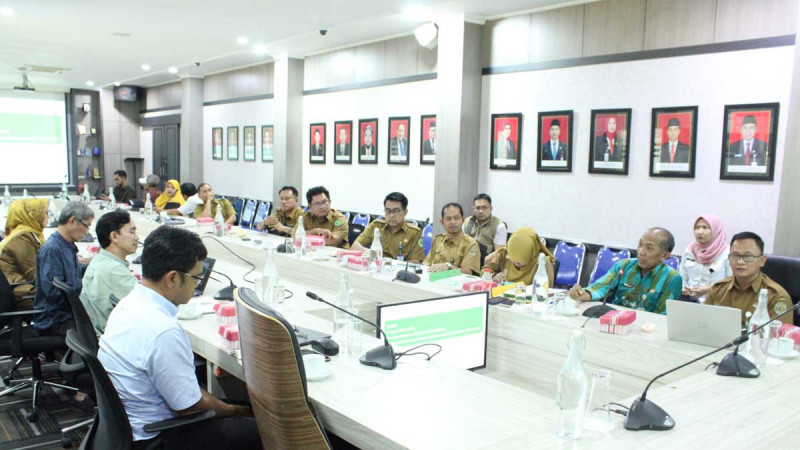
InfoSAWIT, SAMARINDA – East Kalimantan's commitment to promoting the transformation of the palm oil sector was reaffirmed during the Preparatory Meeting for the Regional Consultation Forum (FKD) held last Tuesday. Taking place in the Hevea Meeting Room at the East Kalimantan Provincial Plantation Office, this agenda marks the initial step in designing a roadmap for inclusive and sustainable palm oil transformation.
The meeting was opened by Acting Head of the East Kalimantan Plantation Office, Andi Siddik, who emphasized the importance of palm oil as a pillar of the province's economy following the mining sector. He stated that transformation must not only be technical but also built through cross-sector collaboration and stakeholder engagement.
“We need to unify perspectives among the government, business actors, farmers, and development partners so that this transformation not only progresses but also has a broad impact on community welfare and environmental sustainability,” Andi said, as reported by InfoSAWIT from the official website of the East Kalimantan Plantation Office on Friday (July 11, 2025).
The FKD is designed as a strategic forum to build consensus in formulating concrete steps to improve palm oil governance, particularly at the level of smallholder farmers who still face various challenges, from low productivity to limited access to sustainable markets.
Representatives from GIZ, Ade Cahyat and Fajar Lizmawan, were also present at the meeting alongside officials from the East Kalimantan Plantation Office and the Sustainable Plantation Communication Forum (FKPB). GIZ, as a development partner, actively supports this process within the framework of strengthening governance and institutional capacity in the palm oil sector.
Ade Cahyat explained that the FKD forum is not only a space for dialogue but also a common ground for identifying best practices, formulating strategies to improve farmer welfare, and strengthening local institutional capacity.
“We aim to present best practices in the supply chain, improve farmer welfare, and enhance local institutional capacity,” he stated. He added that the outcomes of the forum are expected to drive concrete actions at the grassroots level.
Meanwhile, Fajar Lizmawan outlined that the FKD materials will cover various crucial aspects, from production scale, employment, and added value to global market trends and challenges in maintaining productivity and sustainability.
Data from the East Kalimantan Plantation Office indicates that the palm oil sector contributes the second-largest GDP after mining and absorbs about 12 percent of the province's workforce. However, significant challenges remain. The productivity of smallholder palm oil plantations in East Kalimantan is still below the national average, and only a small portion of the total plantation area has met sustainability certification standards.
In this transformation effort, the approach includes the implementation of NDPE (No Deforestation, No Peat, No Exploitation) principles, strengthening extension worker capacity, enhancing farmer partnerships in the supply chain, and establishing incentive mechanisms and monitoring for companies committed to sustainable practices.
Concluding the meeting, Ade reiterated GIZ's commitment to continue supporting the palm oil transformation process in East Kalimantan through this forum.
“We believe that transformation will only succeed if all parties come together, understand the challenges, and are willing to take concrete steps,” he said.
In agreement, Andi Siddik emphasized that the FKD is expected to produce concrete recommendations to address the current challenges in the palm oil sector. “We want this transformation to not only improve numbers but also touch on the quality of life, the environment, and the future of smallholder plantations in East Kalimantan,” he concluded. (T2)