InfoSAWIT, PALANGKA RAYA — A resident of Kotawaringin Barat (Kobar) was taken aback during his attempt to pay taxes when he discovered that the money he had was counterfeit, consisting of four Rp50,000 bills. This incident has shed light on a previously overlooked risk — the circulation of counterfeit money stemming from palm oil transactions in the field.
Helmi, a resident of Panahan Village in Arut Utara District, encountered this issue while trying to renew his vehicle registration (STNK) at the Pangkalan Bun Samsat office on Friday, June 27, 2025. He had intended to take advantage of a tax penalty waiver program initiated by the Central Kalimantan Provincial Government.
However, his good intentions were abruptly halted when Samsat officials flagged the money he presented. Upon further inspection, they discovered that the four Rp50,000 bills he had were counterfeit.
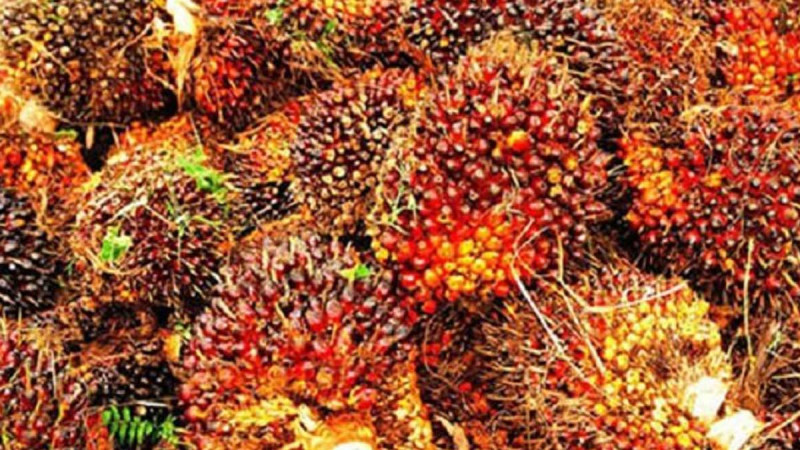
"I truly had no idea that it was counterfeit money. I received it from a transaction involving palm oil fruit a few days ago at a collection point owned by a resident of Hanau, Seruyan," Helmi told reporters, as reported by InfoSAWIT from KBRN RRI on Sunday, June 29, 2025.
This incident serves as a warning that cash transactions at the farmer and collector levels in the palm oil sector can be vulnerable to counterfeit money circulation. In many regions, agricultural and plantation commodity transactions still occur in cash, bypassing banking systems. This situation creates opportunities for unscrupulous individuals to distribute counterfeit money to rural communities.
"For us farmers, transactions are usually done in cash. There’s no verification using tools, especially in locations far from the city," Helmi added.
The case also highlights the weak oversight at the initial points of cash circulation, particularly within the supply chain of small-scale and independent palm oil producers. Although Helmi did not act with malice, this incident must be addressed to prevent similar occurrences in the future.
Fortunately, the Samsat officials acted persuasively and did not immediately report Helmi to the authorities. After providing his statement, he was allowed to replace the counterfeit money with legitimate currency and continue with his tax payment process.
Meanwhile, this discovery has been reported to the relevant authorities for further investigation. The police are expected to trace the source of the counterfeit money, especially given its circulation in the active palm oil transactions in the Seruyan and Kobar regions.
This incident underscores the importance of educating the public, particularly farmers and small business operators, to be more vigilant against counterfeit money. Simple checks, such as recognizing the features of genuine currency and using detection tools, need to be widely disseminated in agricultural trading centers.
"There must be collaboration between Bank Indonesia, law enforcement, and relevant agencies to mitigate this risk. Otherwise, farmers will continue to be victims," stated an unnamed regional economic observer.
The digitalization of agricultural transactions and the shift to non-cash payment systems are also mentioned as long-term solutions. However, challenges related to infrastructure and digital literacy in rural areas remain significant obstacles. (T2)