InfoSAWIT, MEDAN – Efforts to enhance the quality and competitiveness of smallholder plantations continue to be intensified. One such initiative is the technical training for palm oil cultivation officially launched by PT Koompasia Enviro Institute, as part of the 2025 Palm Oil Human Resource Development Program (SDM-PKS). This training is fully supported by the Palm Oil Fund Management Agency (BPDP) and the Directorate General of Plantations (Ditjenbun), Ministry of Agriculture of the Republic of Indonesia.
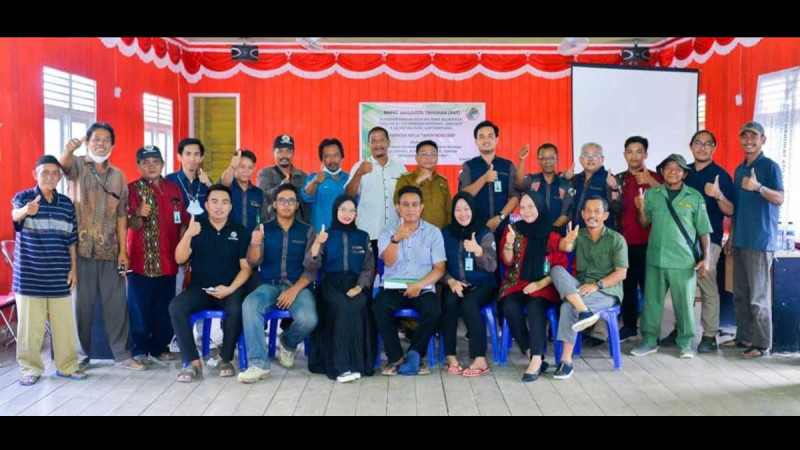
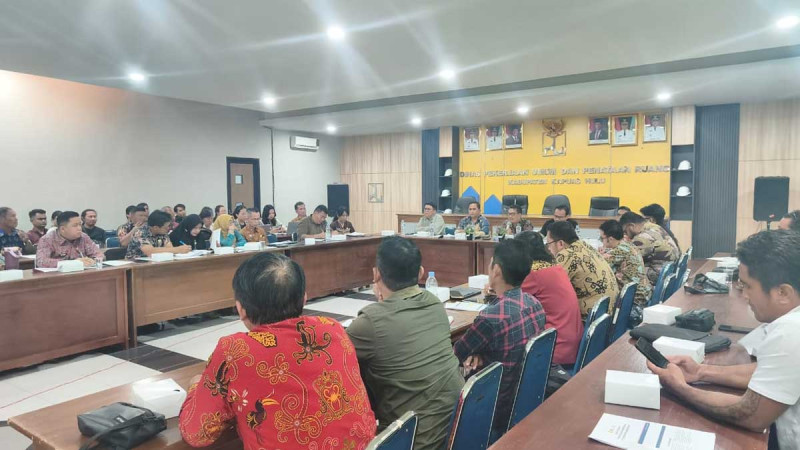
A total of 61 participants from Batubara District, North Sumatra—comprising independent farmers and plantation assistants—attended this training in two parallel classes (Batch 1 and 2) from June 16 to 21, 2025, at Hotel AIHO, Medan.
In his opening remarks, the Chair of the SDM PKS Development Committee, Darmansyah Basyaruddin, emphasized the importance of enhancing farmers' capacity as the frontline of national productivity. He reminded that the productivity of Indonesia's smallholder palm oil plantations is still far from its maximum potential.
“Currently, smallholder palm oil plantations only produce around 1.5–2 tons of CPO per hectare per year, while the national potential can reach 10 tons of CPO per ha/year. Through this training, we hope participants can understand and apply the best sustainable cultivation techniques,” Darmansyah stated in an official statement to InfoSAWIT on Wednesday (June 24, 2025). He also highlighted the importance of farmers' readiness to meet the ISPO (Indonesian Sustainable Palm Oil) certification requirements, which will be fully enforced starting in 2025.
Representing the Batubara District Government, Ananda Fadhillah Akbar, SP., Head of the Plantation Division, expressed that this training is a significant moment for farmers in the region.
“We are grateful that Batubara is one of the areas receiving attention through this program. With 61 participants, we hope farmers can absorb knowledge and apply it in their respective plantations. Participate in this training with enthusiasm,” he said hopefully.
Meanwhile, Merry Carolina, S.Hut., Level I Supervisor from the North Sumatra Plantation and Livestock Office, hopes this training will produce superior palm oil farmers. “I hope farmers can become intelligent, skilled, and quality individuals in managing their plantations,” she stated.
Henry Marpaung, SP, M.Si., Director of PT Koompasia Enviro Institute, expressed appreciation for the trust placed in his institution. He noted that this training is designed with an applicable approach tailored to the needs of independent farmers.
“Many farmers still do not understand proper cultivation practices. Therefore, this training relies not only on theory but also on hands-on practice. Our trainers are experienced and use aids that facilitate participants' understanding,” Henry explained.
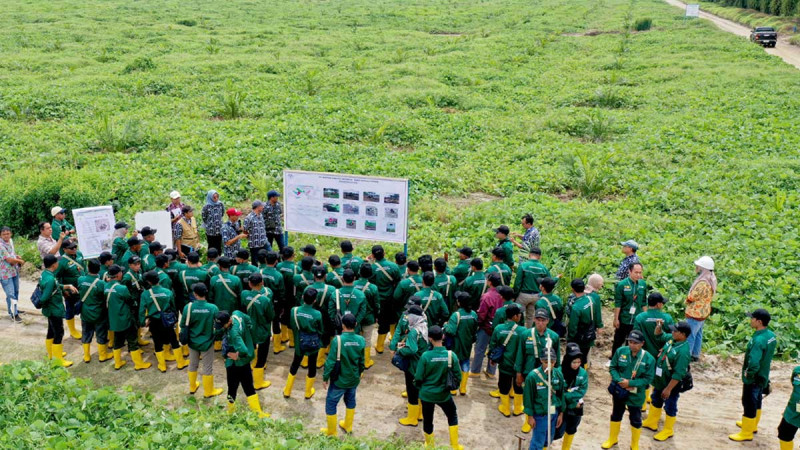
The training lasts for five days, consisting of four days in the classroom and one day of field visits to PT Eastern Sumatra Indonesia, Bukit Maraja Estate in Simalungun. There, participants can observe professional palm oil plantation management, from the immature plant stage (TBM) to the producing plant stage (TM), as well as the seeding system.
The training material covers various important topics, including seed and land preparation, planting techniques, plant maintenance, and pest and disease control. All are structured comprehensively to support participants' technical mastery.
More than just training, this activity represents a tangible collaboration between the central and regional governments, industry players, and training institutions to strengthen farmers' positions in the national palm oil supply chain. It is hoped that participants will not only apply the knowledge in their own plantations but also become agents of change in their communities.
With the knowledge and skills acquired, Batubara farmers are now stepping more confidently towards more productive, sustainable, and nationally compliant palm oil management. (T2)